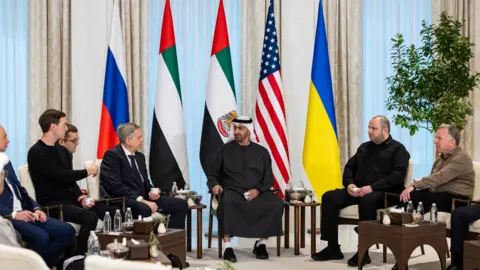
Negotiators from Russia, Ukraine and the US have been meeting in Abu Dhabi for their first trilateral talks since Russia's full-scale invasion of Ukraine in 2022. But whilst the talks take a new format, the core differences remain the same.
The stakes are high, but expectations are limited. Donald Trump is pushing hard for a peace deal in Ukraine – the one he promised but hasn't yet delivered – and he said this week that the two sides would be 'stupid' if they couldn't agree.
But despite some intense shuttle diplomacy by his own envoys, they are hosting the first trilateral talks involving Ukrainian and Russian negotiators with several major issues still unresolved. Ukraine is engaging with the process because it wants peace more than anyone, but also because it needs to keep the US onside. It learned that lesson the hard way last year, when Donald Trump briefly suspended intelligence sharing and military aid.
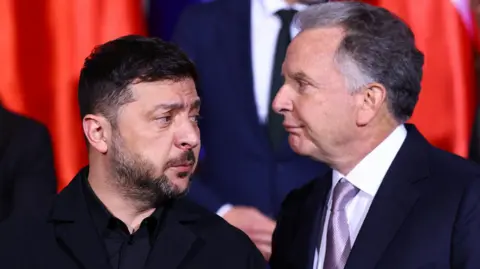
Now, Ukraine's President Volodymyr Zelensky says his talks with Trump in Davos were 'really positive' and he hopes for more air defense support against Russia's relentless attacks as a result. However, he remains cautious on the outcome of talks in UAE, describing the meetings as 'a step' but avoiding labeling it as a positive one.
For a while, Zelensky has mentioned being 90% of the way toward producing a framework deal for peace, but the final 10% is proving fraught with difficulties. One significant hurdle is the land issues in Eastern Ukraine, which remain unresolved despite discussions.
Russia insists on Ukraine handing over territory in the Eastern Donbas region which Ukraine refuses. The struggle over this land is deeply personal, marked by the sacrifice of soldiers defending it.
As the conversations unfold, local sentiments and the harsh realities of the ongoing war remain palpable, influencing the negotiations and the prospects for any agreement.