In brief
A growing trend in Kenya sees men choosing their mothers' first name as their surname, challenging patriarchal norms. This shift has sparked both admiration and ridicule. Cultural experts, politicians, and musicians are at the heart of the debate, while some critics argue it undermines masculinity. The trend reflects changing attitudes towards women’s influence and the evolving role of single mothers in society.
Traditionally, Kenyan children take their father's first name as a surname. Today, a wave of men, especially in the Kikuyu community, are choosing their mothers’ first names instead. The move is seen by some as a fresh recognition of women’s power within society.
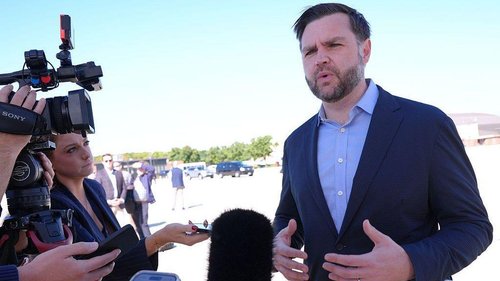
Political figure John Njũgũna Wanjikũ and journalist Simon Wangũi are leading names in this shift. Wangũi says he chose the name because his father was absent; “my mother was my dad.” He proudly declares “Ka‑Wanjikũ” as a statement of respect.
Yet the trend has ignited backlash. A motivational speaker in Nairobi recently claimed that female surnames erode masculinity, prompting a TV personality to publicly claim he dropped his mother's name to avoid ridicule. The conversation has become a national debate over identity and respect.
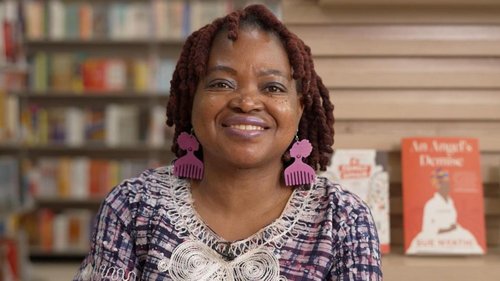
Cultural historian Wairimũ Mũkũ notes that single‑mother families are rising, driving more men to carry a mother's name. She adds that in circumstances where a father is unknown, the oldest paternal uncle may step in to claim the name, but this often means fighting over property rights.
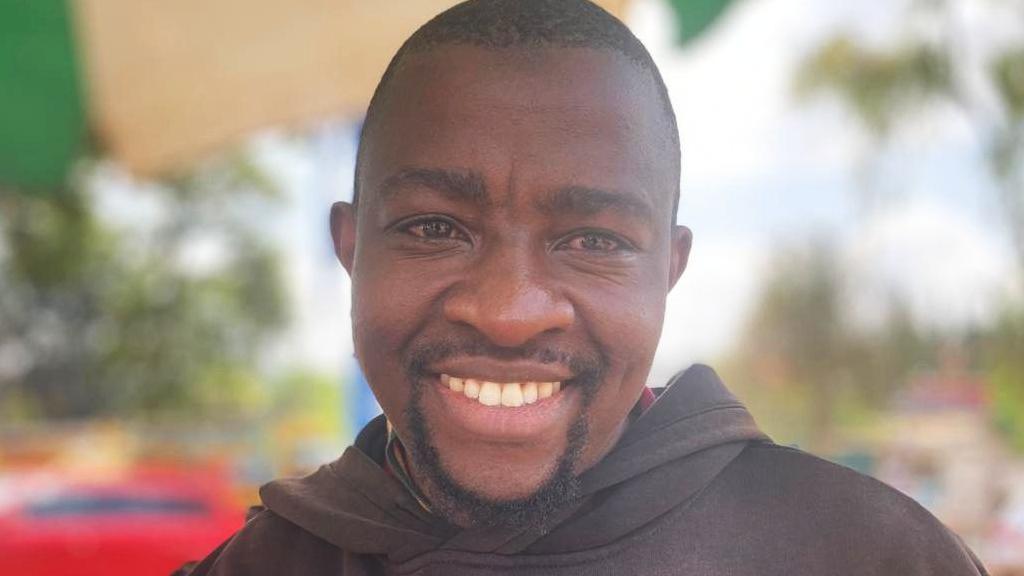
Academic George Gathigi sees the trend as a sign of changing labour divisions. He argues that when men become less involved in family duties, women naturally take on the role of heir and provider, so men using a female surname reflects this shift.
Despite criticism, many feel that adopting a female surname is a form of honour. Musicians such as Waithaka wa Jane and 90K Ka Msoh now sell their albums under mother names. Several younger artists are following in their footsteps, boosting the trend’s visibility.
From the other side, some view it as a romantic gesture, while others see it as a sign of weakness. The debate continues, with each side citing cultural traditions and modern realities. As the conversation evolves, the next generation of Kenyan men may decide whether the name they carry matters to the rest of the world.