In brief
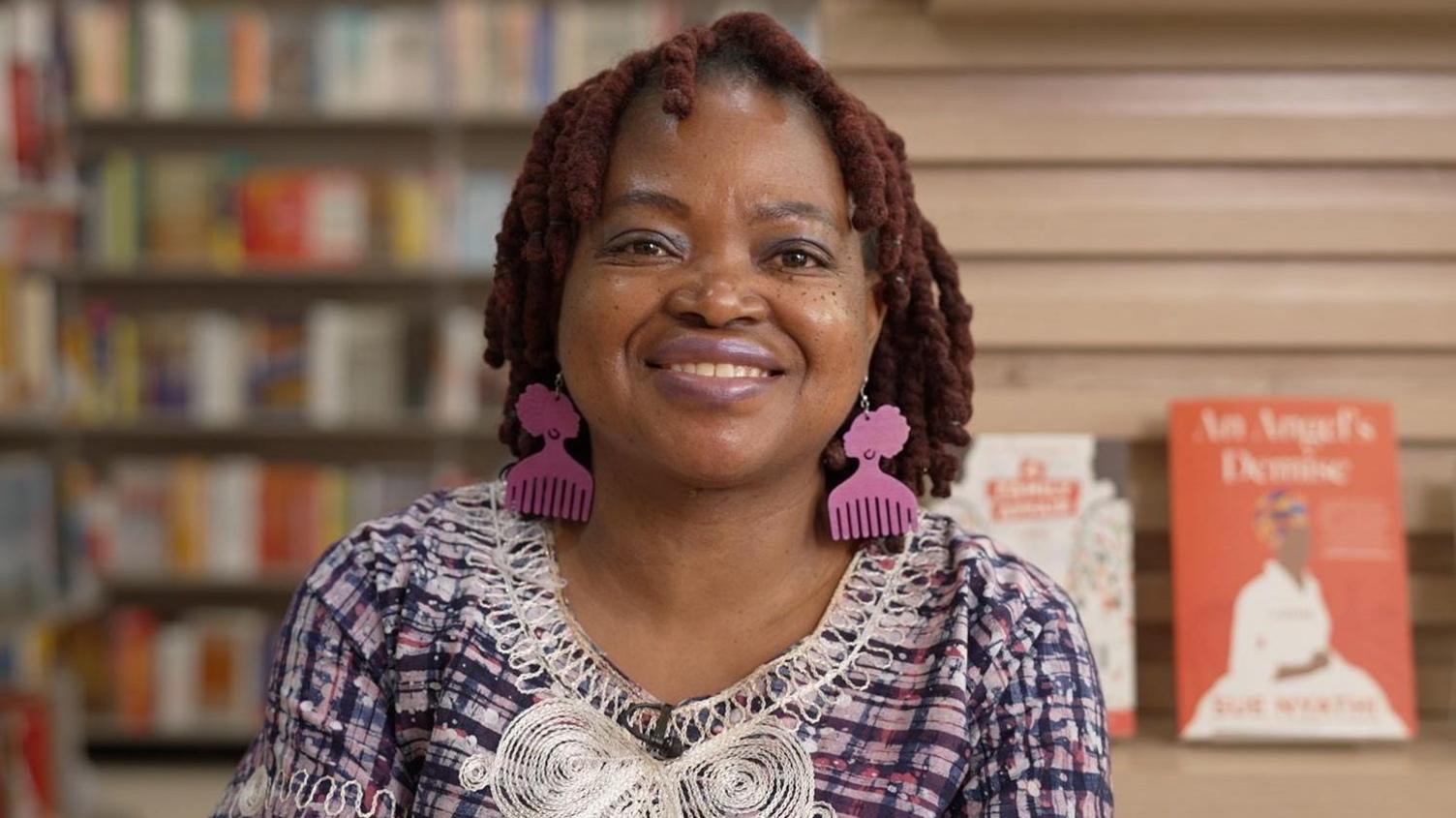
Sue Nyathi’s debut novel, The Polygamist, was snubbed by publishers but sold 500 copies herself and shattered expectations. Netflix turned the book into a binge‑worthy series that climbed the top 10 in 60 countries, sparking debate over polygamy, cheating, and women’s agency. Nyathi reveals how family history shaped the story, how the Netflix version moved to South Africa and highlights the conflict between wealth and autonomy. The show has sparked support for narcissistic abuse awareness and raised questions about cultural misrepresentation. Readers and critics alike note the series sheds light on the hidden lives of Black elites while insisting that power shapes every family drama.
Sue Nyathi’s debut novel The Polygamist had stumped publishers who said there was no market for a story about a Zimbabwean man seducing multiple wives. She went on to self‑publish 500 copies and the book blew up into a global phenomenon.
The novel turned into a Netflix series that now ranks in the top 10 in more than 60 countries and hit number two in the US. Kim‑dang‑packed the drama with drama, jealousy and a touch of humour that left actress Taraji P. Henson chronicling a binge‑watch at home.
It’s not a simple tale of polygamy. Natched from her own family, Nyathi’s grandmother was the first wife of a man who had five or more wives. The story questions a hidden version of polygamy, where men keep secret households and spouses have no agency.
Voice matters. Nyathi writes: “Women tell me they see themselves in Joyce and the other wives. Some say they are being hit with exploitation.” The show kicks off a conversation on love, consent, agency and the power of wealth.
Critics have mixed reactions; some in Kenya want a ban because the series mixes polygamy with cheating. Nyathi counters that culture changes, and she shows what happens when old practices are corrupted. Alongside, Amnesty SA issued guidance on narcissistic abuse after the show aired.
From a long‑term romance with publishing, to a highlight of Black African wealth, Nyathi’s journey shows that the story begins with a love for writing, not a paycheck. Her tip for aspiring writers: “Start with a pen, love the craft and write for yourself before money.”