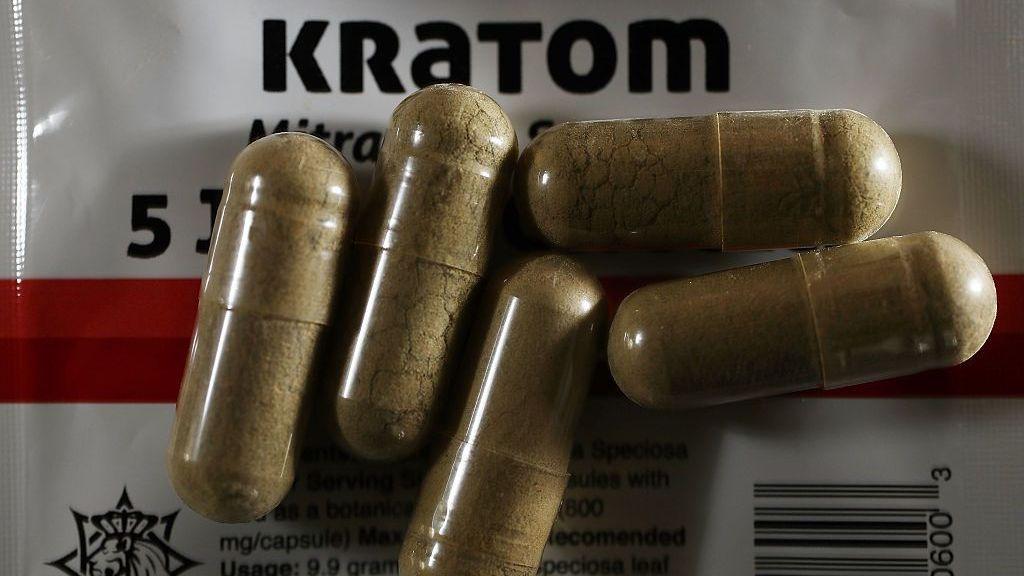
What’s the deal with kratom?
Kratom is a Southeast Asian herb that’s being sold in U.S. convenience stores, vape shops and online as a pill, powder or liquid. It’s marketed as a natural pain‑killer and anxiety reliever, but its alkaloids act like opioids, triggering euphoria and, in high doses, dangerous sedation.
Jeffrey Deaver, a 58‑year‑old retired timber cutter from Washington, swears that the herb has kept his hip and knee pain at bay for four years. He started with a low dose, “just a small dose, then more as needed,” and reports that it helped him sleep and function again. His story, however, is not unique—many users turn to kratom after doctors can’t provide relief.
In the last decade the drug has surged online, and recent investigations found kratom packages in the possession of two deceased University of Mississippi students. Although the deaths were not directly linked to the herb, officials are warning people of its risks.
Kratom’s safety record is murky. Researchers say the higher the dose, the higher the risk of central nervous system depression—leading to breathing problems and sometimes death. Users also report strong cravings, withdrawal symptoms, and the need to take increasing amounts to feel the same effect; some have taken up to twenty pills a day. In addition, the lack of federal regulation means a product could contain any number of unknown compounds.
Legal status is patchy
Eleven states—Alabama, Arkansas, Connecticut, Indiana, Kansas, Louisiana, Massachusetts, North Dakota, Tennessee, Vermont and Wisconsin—have banned kratom, while others, including Mississippi, allow it to be sold. In 2015 the DEA attempted to classify it as a Schedule 1 drug, but the move failed after backlash, leaving regulation to each state. The American Kratom Association advocates for clearer labeling and bans on synthetic analogues, while anti‑kratom groups push for statewide bans, labeling kratom as a “gas‑station drug” that is poisoning communities.
Internationally, the UK and Malaysia prohibit kratom, and many European nations have varying restrictions. The debate over kratom’s place in U.S. drug policy continues, as the drug’s popularity outpaces evidence on its safety and long‑term effects.