The cease-fire between Hamas and Israel has ignited a mixture of hope and uncertainty in the region, as both sides celebrate significant releases of hostages and prisoners. Peace is tentative, with Gazans sifting through rubble, desperate to reclaim any semblance of their lives, while Israeli families revel in the return of loved ones. However, lingering doubts about the future and ongoing humanitarian crises cast a shadow over these moments of joy.
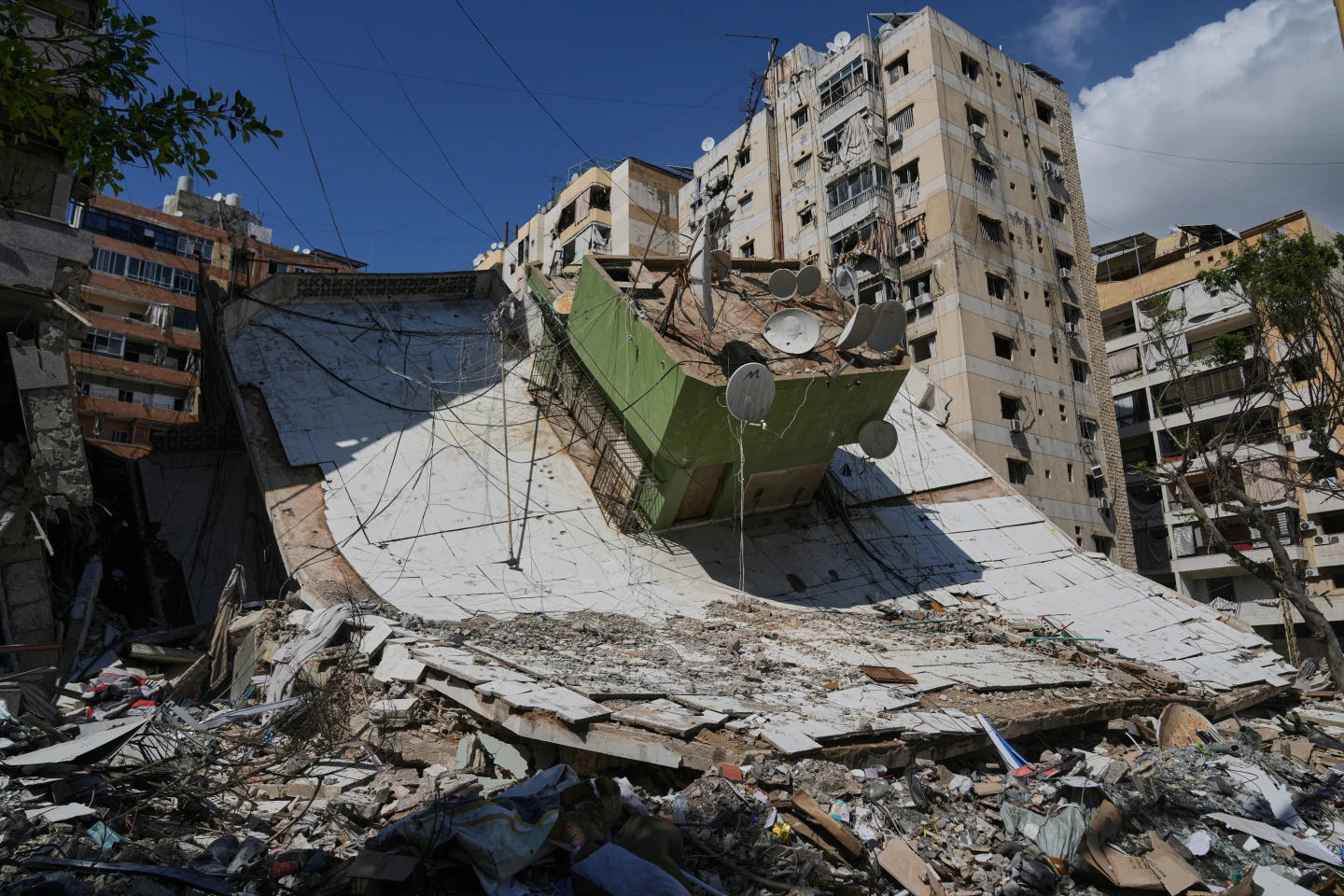
Palestinians are slowly returning to their decimated neighborhoods in Gaza, where the destruction from 15 months of conflict is staggering. Many are scavenging for belongings amidst the rubble. The situation is made even more complicated as half of the Gazan Civil Defense personnel have been killed or detained during the war, severely impacting emergency response efforts.
On the Israeli side, excitement pervades as three hostages—Emily Damari, Romi Gonen, and Doron Steinbrecher—were joyfully welcomed home, while celebrations erupted as 90 Palestinian prisoners were released by Israel. These exchanges mark the beginning of expected weekly swaps, signaling a fragile truce that offers both relief and anxiety.
Festivities erupted across regions, including fireworks in Ramallah and emotional reunions in hospitals. Relief agencies have ramped up operations as humanitarian aid floods into the Gaza Strip following the cease-fire—a crucial step as aid previously trickled in under dire conditions. Still, aid organizations stress the ongoing need for unimpeded access to provide relief to affected communities.
In this precarious moment of hope, the international community watches with bated breath, as questions arise on the stability of the truce and the future for both Palestinians and Israelis in the wake of significant losses and emotional reunions. Key players, including the U.N., emphasize the urgent need for long-term solutions amidst the ongoing humanitarian crisis.
Palestinians are slowly returning to their decimated neighborhoods in Gaza, where the destruction from 15 months of conflict is staggering. Many are scavenging for belongings amidst the rubble. The situation is made even more complicated as half of the Gazan Civil Defense personnel have been killed or detained during the war, severely impacting emergency response efforts.
On the Israeli side, excitement pervades as three hostages—Emily Damari, Romi Gonen, and Doron Steinbrecher—were joyfully welcomed home, while celebrations erupted as 90 Palestinian prisoners were released by Israel. These exchanges mark the beginning of expected weekly swaps, signaling a fragile truce that offers both relief and anxiety.
Festivities erupted across regions, including fireworks in Ramallah and emotional reunions in hospitals. Relief agencies have ramped up operations as humanitarian aid floods into the Gaza Strip following the cease-fire—a crucial step as aid previously trickled in under dire conditions. Still, aid organizations stress the ongoing need for unimpeded access to provide relief to affected communities.
In this precarious moment of hope, the international community watches with bated breath, as questions arise on the stability of the truce and the future for both Palestinians and Israelis in the wake of significant losses and emotional reunions. Key players, including the U.N., emphasize the urgent need for long-term solutions amidst the ongoing humanitarian crisis.