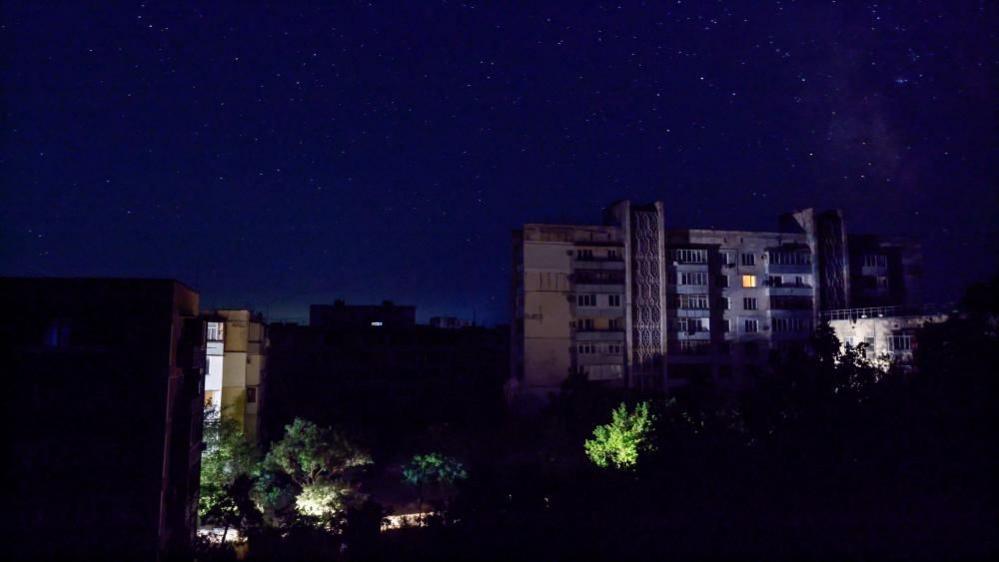
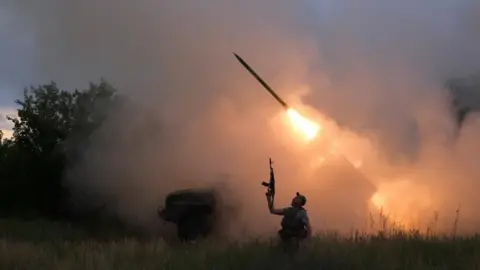
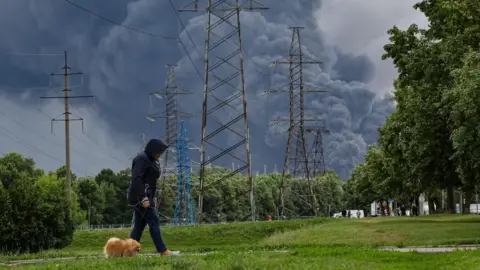
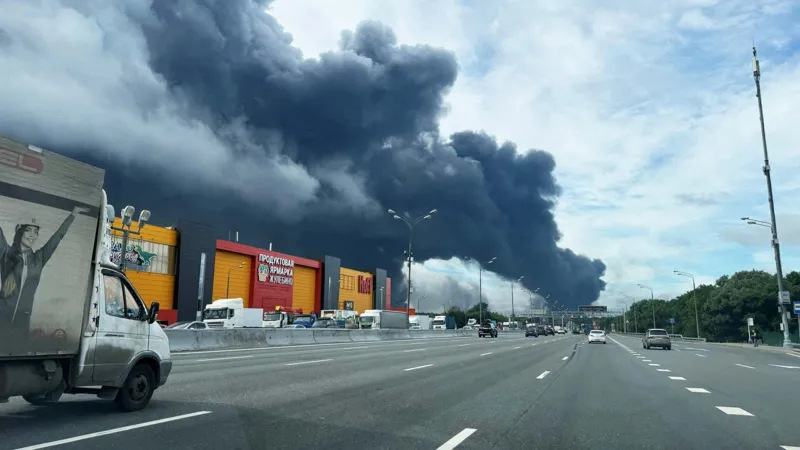
Nearly 200 UAVs launched from Ukrainian territory plunged into Moscow’s skies, creating a dramatic gray‑smoke curtain that blanketed the capital’s skyline. The assault registered as the biggest attack on Russia’s public‑analysis since the full‑scale war started in early 2022.
Officials reported seventeen injuries in the Moscow region and the destruction of a large oil storage tank at the Kapotnya refinery. Footage shows the tank’s lid being swept inches into the air, while a nearby shopping centre caught fire after drone wreckage fell nearby. The noise of ascending drones, combined with emergency sirens, made the day feel like a live thriller.
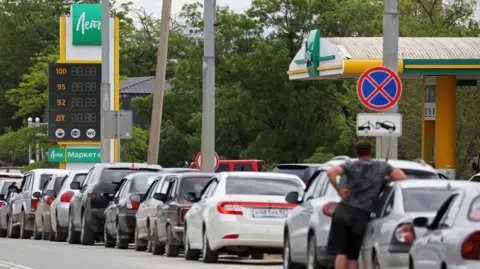
Russian air‑defence systems reported intercepting almost 1,000 drones and four cruise missiles across the country in the first 24 hours of the assault. The defence ministry also confirmed a strike on a fuel depot in Rostov, leaving one fatality in the southern region.
Why the rockets arrived
Zelensky called the waves of long‑range strikes “long‑distance sanctions,” a euphemistic jab at Russian targets. He praised the attack as a reply to a Russian bombing that set a historic church ablaze in Kyiv last week. “It’s time to end this war,” he said, urging Russian diplomacy to address the conflict.
The constant pressure from Ukraine reflects a strategy to bring the war to Russian soil, intensifying public anxiety. Despite Russia’s formidable air‑defence net around Moscow, the growing number and sophistication of Ukrainian drones have proved difficult to neutralise.
This escalation comes as Vladimir Putin is hosting Southeast Asian leaders in Kazan. No official comment about the massive strike has yet appeared from the Kremlin. Meanwhile, Ukrainian officials are pumping out strong messages on X, asking citizens: “What is going on? Tell us when you plan to end it.”