In brief
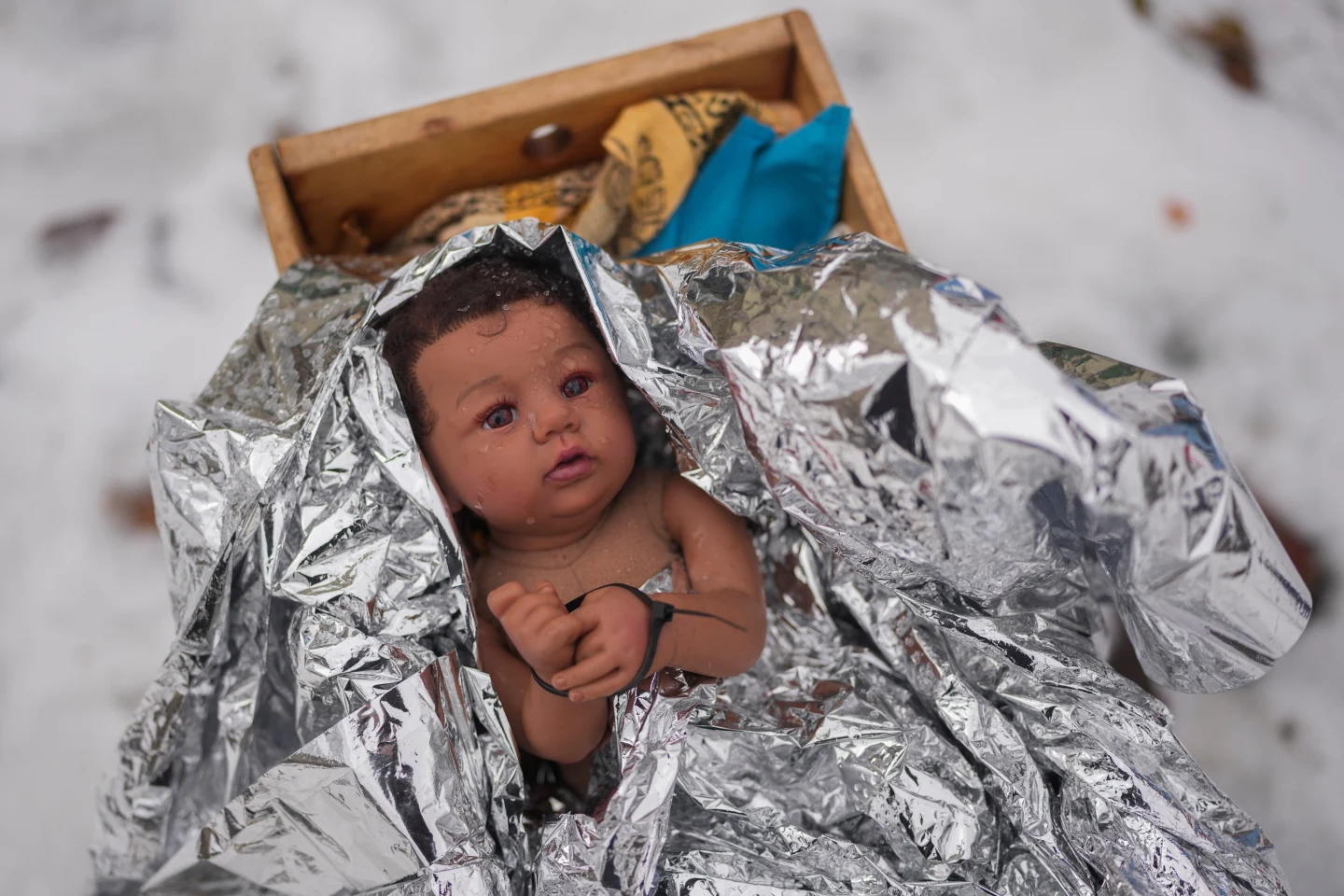
In Chicago area churches, traditional nativity scenes are transformed into politically charged displays, featuring a baby Jesus wrapped in emergency blankets, reflecting fears over ICE raids. Supporters claim these reinterpretations highlight the realities of families facing deportation, while critics accuse the churches of using sacred imagery for political gain. This division has sparked a heated debate on the role of churches in addressing social issues during the holiday season, drawing both support and outrage from the community.
In Christmases past, nativity scenes depicted the birth of Jesus, but this year, some Chicago-area churches have taken a daring approach, adapting these age-old traditions to reflect modern struggles. One display at Lake Street Church featured a baby Jesus in a snow-covered manger, wrapped in a silver emergency blanket, symbolizing the plight of immigrant families facing deportation and separation.In Evanston, Illinois, the Holy Family is portrayed as being in hiding due to the presence of Immigration and Customs Enforcement (ICE) in their communities. Supporters argue these artistic expressions highlight the fear faced by many families, making the biblical story resonate with contemporary issues of immigration enforcement. Simultaneously, critics decry these scenes as sacrilegious, asserting that they politicize religious imagery and questioning the churches' non-profit tax status.Nationally, the timing of these displays coincides with intensified immigration enforcement, resulting in thousands of arrests in states like Illinois and Massachusetts. Some church leaders aim to evoke emotion and provoke dialogue in their communities through these artistic statements, highlighting that the display is not merely for shock value but is rooted in a commitment to social justice and compassion for those in need.While supporters like Rev. Michael Woolf express hope that these messages initiate discussion on important topics, others, including members of the Catholic community, call for the removal of the displays, insisting that places of worship focus on spiritual rather than political matters. As this controversy unfolds, it reveals a community grappling with its identity, values, and the role of faith in responding to societal challenges.