In brief
President Trump's maneuvers around the Iran crisis have sparked mixed reactions from NATO allies. While he asserts the importance of securing the Strait of Hormuz, leaders like Germany's Defence Minister question their involvement. The need for a clear strategy to address Iran's blockade and potential threats proves challenging, as discussions continue on the best way forward amidst rising tensions. With Europe hesitant and the implications for global economics at stake, finding a viable solution becomes increasingly urgent.
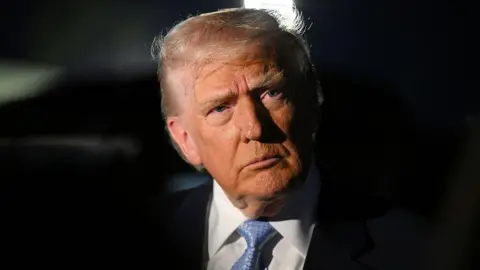
Throughout his two terms in office, Donald Trump hasn't been shy to criticize – even to attack – Washington's NATO allies. But his latest suggestion – that failing to secure the Strait of Hormuz would be very bad for the future of NATO – implies an understanding of the alliance's purpose that has already raised eyebrows. NATO was created as a…defensive alliance, said Gen Sir Nick Carter, former Chief of the Defence Staff. His remarks highlight the apprehensions surrounding Trump's approach to international military collaboration. While Trump claims to seek assistance from allies like Germany, the response has been cool. A German government spokesman indicated the Iran situation has nothing to do with NATO, and pointed out that the European navies are not adequately equipped to support U.S. military actions in the area. As discussions persist about a strategy to stabilize the Gulf amidst Iran's actions, NATO allies face a tightrope walk of diplomacy without a clear plan on the horizon.