In brief
In a surprising diplomatic move, the US has removed Delcy Rodríguez from its sanctions list, less than three months after a military operation resulted in the capture of former president Nicolás Maduro. Rodríguez, a veteran politician and close ally of Maduro, has been welcomed by US officials, who see this as a step toward stabilizing Venezuelan politics. While Rodríguez views this as a chance to improve relations with the US, critics argue for increased pressure regarding political prisoners still held in the country. This development is part of broader changes in US-Venezuela relations as both nations explore political and economic recovery paths.
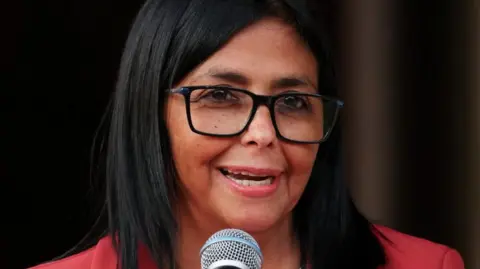
The United States has lifted sanctions on Venezuela's interim president Delcy Rodríguez. The move comes less than three months after US forces seized the country's previous leader, Nicolás Maduro, during a military raid in Caracas and took him to New York to face drug trafficking charges. Rodríguez, a close ally of Maduro who served as his vice-president, was placed on the sanctions list in 2018 for allegedly undermining democracy.She was sworn in as interim president by Venezuela's National Assembly, dominated by Maduro loyalists, just days after the US raid and has been called 'a terrific person' by US President Donald Trump.Rodríguez welcomed her removal from the Specially Designated Nationals (SDN) List, which barred US nationals from doing business with her and blocked her assets in the US.Rodríguez described the US decision as a 'significant step in the right direction to normalise and strengthen relations between our countries' through a post on social media. White House spokesperson Anna Kelly echoed this sentiment, indicating that the move reflects progress between the two nations to promote stability and support economic recovery in Venezuela.On the flip side, opposition activists in Caracas voiced concerns, urging the US to press Rodríguez on releasing political prisoners still in detention. Human rights organizations assert that nearly 500 political prisoners remain behind bars, despite some releases following an amnesty law passed by the National Assembly.This sanction lift is part of a series of warming relations between the Trump administration and Rodríguez's government, which included the recent reopening of the US embassy in Caracas after a seven-year closure. A Venezuelan diplomatic team has also been sent to Washington to reopen its embassy, indicating further reconstruction of diplomatic ties.In the wake of Maduro's removal, US delegations have engaged with Venezuelan officials to discuss potential expansions in access to Venezuela's resources, yet critics have pointed out a lack of dialogue regarding democratic elections in the country.