In brief
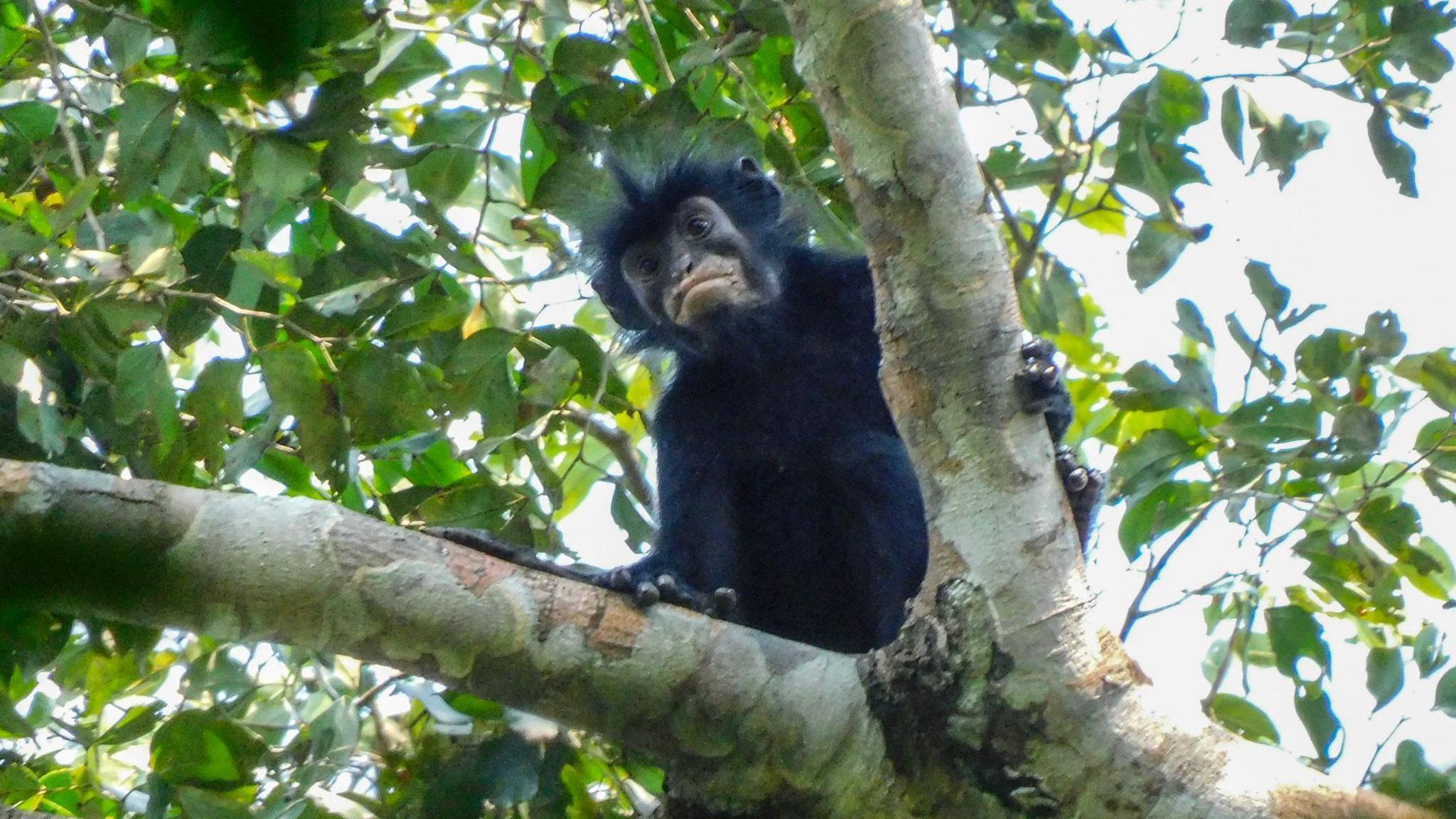
A rare primate with striking orange lips, discovered in the jungle of the Democratic Republic of Congo, has been officially named Colobus congoensis. The species was first noticed by locals who call it Likweli, and has only been photographed once in 2008. A team of researchers used audio, photos and genetics to confirm the monkey is a new species, making it only the fifth new African monkey found in 75 years. With its unique roar and distinctive markings, scientists hope the discovery will help protect the species from hunting and habitat loss.
New orange‑lip primate discovered in Congo jungle
Scientists in the Democratic Republic of Congo have officially identified a secretive monkey, called Likweli, with bright pinkish‑orange lips that was previously only a blurry photo taken by locals.
The discovery came after researchers spent a decade exploring the hidden canopy of Lomami National Park. They used audio recordings, high‑resolution photography and DNA analysis to prove that the primate is a distinct new species.
This marks only the fifth new African monkey species announced in the last 75 years. Name‑d Colobus congoensis, it belongs to a group of thumb‑less colobus monkeys that play a key role in seed dispersal and forest regeneration.
Researchers are excited to learn that the monkeys have a distinctive roaring call and bright facial markings that may help them communicate or attract mates. They hope that official recognition will protect the species from hunting and preserve its limited habitat deep in the rainforest.
The team plans to carry out a detailed survey to estimate population size and study daily behaviours, aiming to keep the new species safe for future generations.