In brief
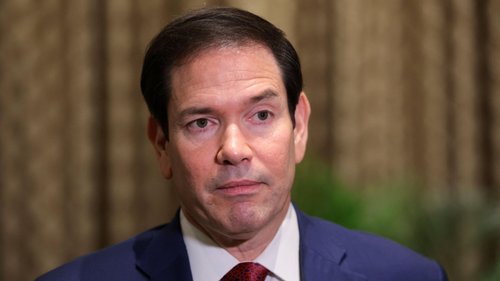
Secretary Marco Rubio dismisses criticism of the U.S. response to the Myanmar earthquake, emphasizing the need for other nations to contribute and asserting that the U.S. has its limits on humanitarian aid due to past cuts and current priorities.
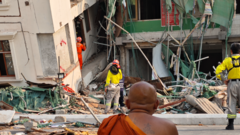
In the aftermath of a devastating earthquake in Myanmar that has tragically claimed over 3,000 lives, U.S. Secretary of State Marco Rubio has defended the American response amid criticism. When questioned by the BBC about the lack of a robust U.S. aid effort—typically seen in past disasters—Rubio highlighted, "We are not the government of the world." Former officials from the now-dismantled U.S. Agency for International Development (USAID) argue that budget cuts have severely limited U.S. ability to deploy rescue teams, including vital resources like trained dogs.Rubio acknowledged these concerns but pointed to other nations with more resources, such as China and India, as equally responsible to assist. Noting the challenges posed by Myanmar’s military junta, he maintained that global humanitarian efforts require a balance with national interests. Since the earthquake, a small U.S. advisory team has been sent, but larger aid deployments are hindered by infrastructure limitations stemming from earlier budget cuts initiated by the Trump administration.The former USAID officials asserted that extensive cuts have directly impacted the U.S. ability to react effectively in crisis situations like the recent earthquake. Meanwhile, Rubio criticized foreign NGOs for profiting excessively off aid while promising a more targeted support approach that remains helpful but fiscally responsible. In his remarks, he firmly reiterated, “We are prepared to help… but there are a lot of other rich countries that should also pitch in.”