U.S. spies meticulously tracked Venezuelan President Nicolás Maduro's every move for months prior to a military operation, dubbed 'Operation Absolute Resolve.' This involved a comprehensive understanding of his routine, from the location of his safest resting points to his dietary habits.
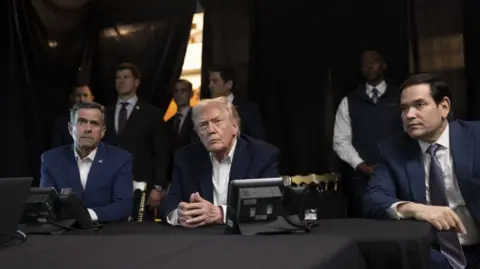
In early December, following extensive planning, elite U.S. forces replicated Maduro's Caracas safe house to prepare for the unexpected military intervention, with top military officials quietly awaiting conducive conditions to act. After initially postponing due to weather concerns, President Trump authorized the operation just before midnight in Caracas on a Friday, resulting in a swift and overwhelming military response that shocked both U.S. and international observers.
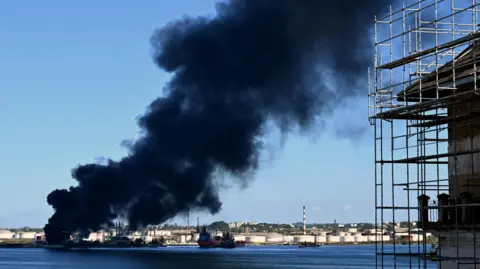
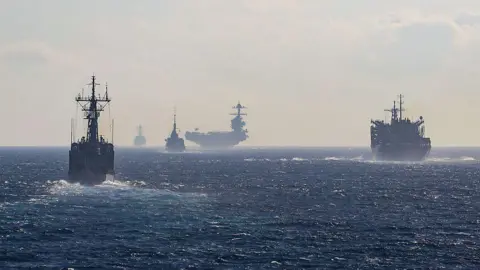
During the operation on December 31, around 150 aircraft were deployed, including bombers and reconnaissance planes, signaling a dramatic shift in U.S. military involvement in Latin America. Loud explosions echoed through Caracas as forces moved in, leading to intense scenes captured on social media.
The precision of the mission drew both praise and condemnation worldwide, as many labeled the U.S. actions as a dangerous precedent in international relations. Brazilian President Lula da Silva expressed concerns about the implications such an operation may have for global diplomacy.
Despite the rigorous planning, Maduro's compound was more fortified than anticipated, but elite Delta Force troops successfully apprehended him after he attempted to escape to a safety room, only to be intercepted.
By 4:20 a.m. local time, Maduro and his wife were in custody and facing charges in the U.S., marking a significant event in American foreign policy and the narrative surrounding Venezuela's political landscape.
In early December, following extensive planning, elite U.S. forces replicated Maduro's Caracas safe house to prepare for the unexpected military intervention, with top military officials quietly awaiting conducive conditions to act. After initially postponing due to weather concerns, President Trump authorized the operation just before midnight in Caracas on a Friday, resulting in a swift and overwhelming military response that shocked both U.S. and international observers.
During the operation on December 31, around 150 aircraft were deployed, including bombers and reconnaissance planes, signaling a dramatic shift in U.S. military involvement in Latin America. Loud explosions echoed through Caracas as forces moved in, leading to intense scenes captured on social media.
The precision of the mission drew both praise and condemnation worldwide, as many labeled the U.S. actions as a dangerous precedent in international relations. Brazilian President Lula da Silva expressed concerns about the implications such an operation may have for global diplomacy.
Despite the rigorous planning, Maduro's compound was more fortified than anticipated, but elite Delta Force troops successfully apprehended him after he attempted to escape to a safety room, only to be intercepted.
By 4:20 a.m. local time, Maduro and his wife were in custody and facing charges in the U.S., marking a significant event in American foreign policy and the narrative surrounding Venezuela's political landscape.