In brief
The Peoples Democratic Party, once Nigeria’s political powerhouse, now teeters on the edge of extinction. A years‑long leadership storm, court battles, and a wave of state governors defecting to the ruling APC have drained its power base. With only a handful of federal seats left, the PDP’s future hinges on whether it can mend internal rifts and rebuild grassroots support before the next election. Outriders in the party still hope a coalition with other opposition forces can resurrect its fortunes by 2032.
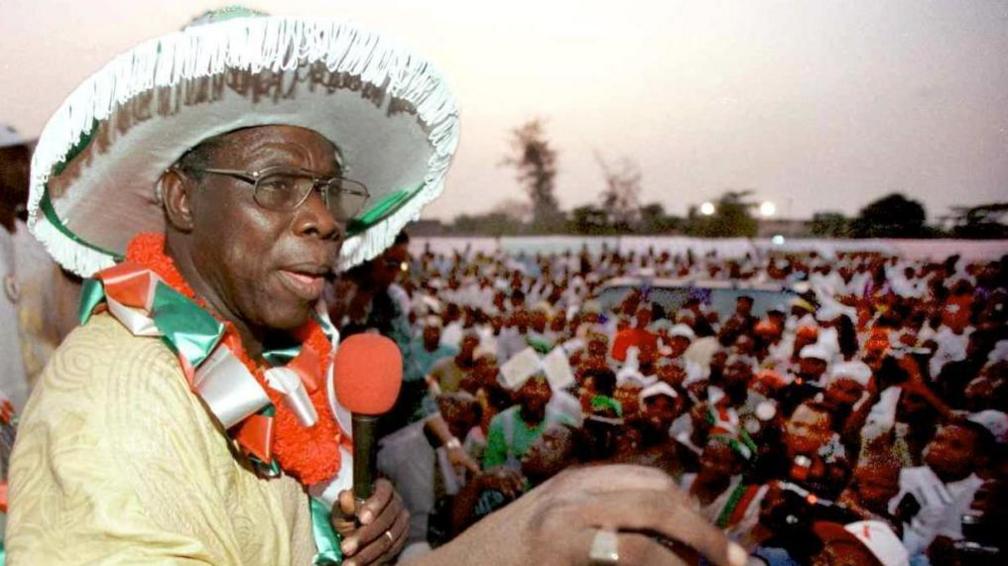
For 16 years, the Peoples Democratic Party (PDP) ruled Nigeria, controlling the presidency under leaders like Olusegun Obasanjo, Umaru Musa Yar'Adua, and Goodluck Jonathan. Its dominance seemed unassailable until the 2015 election, when the newly formed All Progressives Congress (APC) seized the presidency.
Since then, the PDP’s survival has been threatened by a vicious clash of factions that spilled over into court rulings. In 2025 a contested national convention in Ibadan attempted to neutralise opposition wheel‑spokesman Nyesom Wike, even after the courts warned against it. The move left the party split, with one faction submitting candidates to the electoral commission while the other fought for legitimacy.
The stakes are higher than ever: In 2025, five state governors – from Delta, Akwa Ibom, Enugu, Bayelsa and Rivers – crossed the party line to join the APC. Those realignments drained the PDP’s control of the federal cabinet and its ability to secure state resources, effectively erasing its presence in those vital arenas.
At the same time, top PDP figures – including former Vice‑President Atiku Abubakar – have slipped away, further weakening the party’s internal bridge. The remaining loyalists believe the core grassroots network, full of activists and local leaders, can still be salvaged. According to analyst Deji Olarenwaju, the party’s only viable path forward is an alliance with the African Democratic Congress or the Nigeria Democratic Congress, widening the opposition base.
In short, the PDP might need to re‑organise its leadership, rebuild its state‑level structures and create fresh alliances to fend off a formal extinction. Whether it can accomplish this before the next election remains to be seen – but the party’s once‑unbreakable legacy has never been more fragile.