In brief
Recent estimates from the U.S. Census Bureau show a significant drop in growth rates for metro areas, particularly along the U.S.-Mexico border due to declining immigration. Florida counties affected by hurricanes also saw population losses. Notably, cities like Laredo, TX, and Yuma, AZ experienced steep declines, while growing areas like Houston and Dallas-Fort Worth remain appealing for new residents. The decline highlights ongoing challenges from immigration policies and climate impacts on population trends.
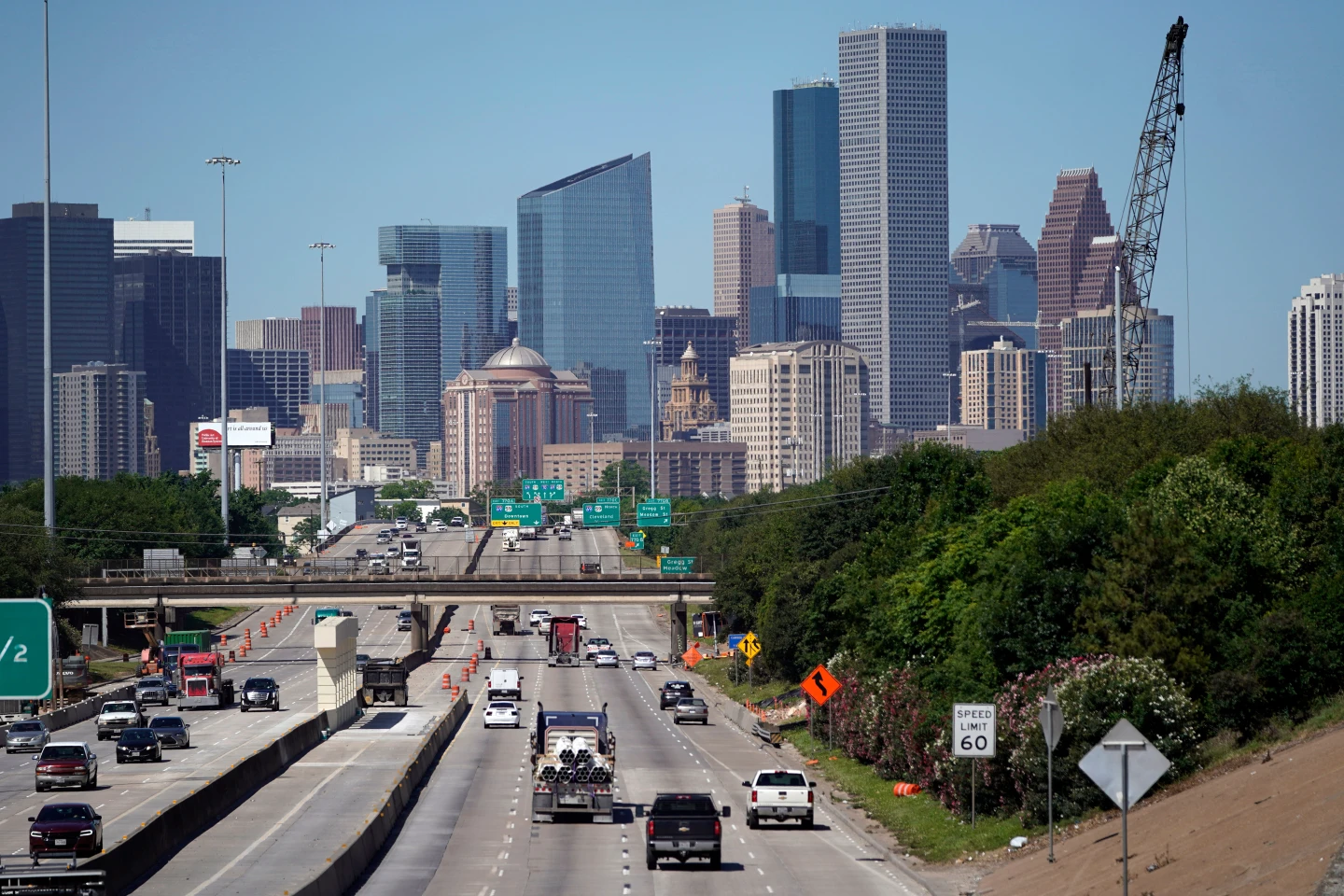
Population growth rates across U.S. metro areas are declining, particularly sharp along the U.S.-Mexico border and in hurricane-affected Florida. According to new population estimates from the U.S. Census Bureau, last year's growth was significantly impacted by lower immigration numbers compared to 2024. Laredo, TX, saw a drop from 3.2% to a mere 0.2%, while Yuma, AZ, dropped from 3.3% to 1.4%, and El Centro, CA, fell into negative territory at -0.7%.In Florida, hurricanes Helene and Milton led to extensive damage and also resulted in significant resident loss, with counties like Pinellas losing nearly 12,000 residents. Meanwhile, counties in Texas and Arizona rely heavily on international migration for growth, making these population assessments crucial.Despite these challenges, some metro areas like Houston and Dallas-Fort Worth remain attractive destinations, showcasing a complex landscape in U.S. population dynamics influenced by both immigration policies and natural disasters.