In brief
Amid ongoing tensions and criticisms, Syria's interim president Ahmed al-Sharaa emphasizes the importance of unity and dialogue at a national conference aimed at shaping the nation's future. With notable absences among key factions and critiques of the process, the outcome of this gathering remains crucial for Syria's reconstruction.
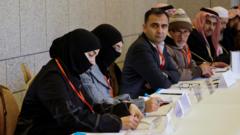
Syria's interim president Ahmed al-Sharaa has declared that the country is facing a "historic" opportunity for rebuilding during a national dialogue conference in Damascus. He highlighted the need for integrating armed groups into a unified military, emphasizing that "Syria's strength lies in its unity."Over 600 delegates were tasked with offering recommendations on topics like transitional justice, economic recovery, and constitutional reform to assist the formation of a new transitional government. However, the absence of the Kurdish-led Syrian Democratic Forces (SDF) and autonomous administrations from the conference has raised eyebrows and sparked criticism regarding the inclusivity of the dialogue process.As the Assad family's regime lasted for over 50 years, significant changes are anticipated after Bashar al-Assad's departure from power last December. Sharaa asserted that the transitional justice framework would be established to address past crimes and restore rights, stressing disarmament and state control over weapons.While the interim government claims control over major cities, armed groups remain in substantial regions of Syria, complicating the integration process further. Although negotiations with the SDF have been ongoing, resistance persists regarding their integration into the new military structure.Statements from the SDF denounced the conference's narrow representation, arguing that excluding key factions undermines the potential for meaningful progress. International observers are expected to closely monitor the outcomes of the conference, as calls for a comprehensive political process continue to grow.Additionally, the European Union's recent announcement to ease sanctions to facilitate humanitarian assistance has sparked discussions around economic recovery and governance. Nonetheless, Syrian Foreign Minister Asaad al-Shibani criticized existing sanctions, urging for broader support to empower the nation's rebuilding efforts.As the dialogue unfolds, addressing the concerns of all segments of society will be critical to establishing a stable and unified Syria moving forward.