In brief
In late September, a large dusky shark wandered into a concrete canal by Korea’s busiest port and captured the hearts of locals and internet users alike. Marine biologist Kim Hyun‑woo and coastguard teams tried everything from electric deterrents to nets, but the resilient shark circled back time and again. As crowds grew, the community gave the fish a name, Bukangi, and even sold branded merch. Ultimately, a coordinated effort from the oceans ministry helped guide her out into open waters, though she briefly returned to the canal before finally drifting away. The story highlights the human–wildlife interface and shows how a single animal can unite a city, spark protests, and become a trending moment worldwide.
The Unexpected Shark
It started when a massive dusky shark wolf‑edged into a shallow concrete canal next to Busan’s North Port in mid‑September. The fish, later named Bukangi, was strange to see in the shipping hub, but it wasn’t dangerous – at least, most people thought so.
Marine biologist Kim Hyun‑woo, who usually tracks mackerel shoals, got the rescue call on his way home. “We saw a big one,” he told reporters. “We hadn’t seen anything like this at the canal before.”
The Rescue Rally
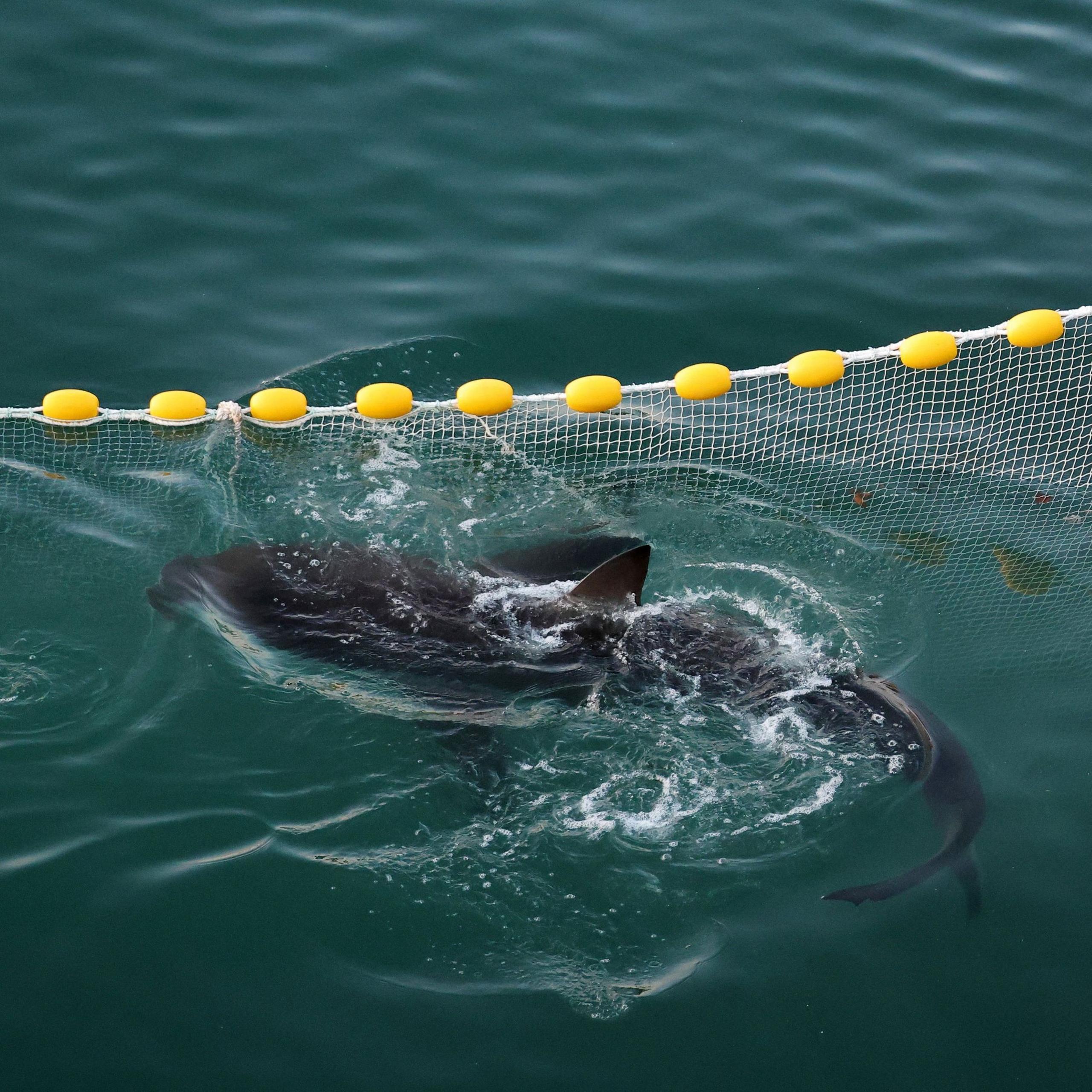
An electric‑wave device was the first tool, but the 9‑foot shark swam against the weak current and kept swimming. Divers then tried water jets inspired by a Massachusetts incident in 2004, but the fish just circled back. On October 2 the team laid down a double‑layer net; quickly, Bukangi broke through and slipped back into the canal.
Meanwhile, the canal turned into a pop‑culture hotspot. Local fans called her Bukangi (meaning “Busan Harbour”), and online stickers, plushies, and t‑shirts hit the market. Protest songs, petitions for a new baseball stadium, and even a debate over whether to keep her in the canal flooded social media streams.
Science Meets Sensibility
Scientists warned that the concrete canal was dangerous: cold water, lack of space, and walls that could scrape skin. “A wild animal can’t stay in a man-made structure,” Kim explained. The oceans ministry later took over, deploying 40 divers and a vet on standby. They managed to get Bukangi into the open sea on Thursday, and she stayed out while the next day she was seen gliding into deeper waters. No sightings have been reported in the last few days, which experts say is a good sign.
Why It Mattered
Bukangi’s brief life as a city mascot underscored how marine animals can find themselves in human spaces, raising questions about rescue ethics, public safety, and the viral influence of animals on culture. The story also hinted at warming seas, as scientists speculate the fish might have been attracted by warmer, fish‑rich waters nearby.
For now, Busan—and the rest of the world—waits to see if Bukangi makes it home again, remembering that even a single fish can stir a city into a meaningful conversation about nature, communities, and the power of empathy.