In brief
The first round of US-Iran nuclear talks saw both parties making positive strides towards a deal, with discussions mediated by Oman. With further talks scheduled, the emphasis is on peaceful resolution amid rising tensions.
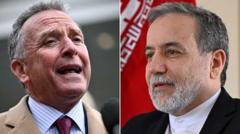
In a pivotal moment for international diplomacy, Iran and the United States initiated their first round of nuclear talks in Oman, marking the highest-level communication since the US exited the nuclear agreement in 2018. Both countries characterized the discussions as "constructive" and have confirmed a second round will follow next week, underscoring the importance of "direct communication" for a potential resolution.Lead negotiator for Iran, Foreign Minister Abbas Araghchi, soured on the negotiations' tone, describing them as respectful, suggesting the US team did not echo previous threats by President Trump concerning military action should talks fail. The conversations, lasting two-and-a-half hours, were primarily indirect, facilitated through Oman’s Foreign Minister Badr bin Hamad al-Busaidi.While Araghchi noted the limited face-to-face exchange with US envoy Steve Witkoff, he emphasized a commitment to establishing an agreement beneficial for both sides. The upcoming discussions may take place outside Oman but will remain overseen by this crucial mediator.The two nations face immense pressure as they navigate the complexities of reaching a new deal. Trump has publicly stated he desires a more favorable arrangement to avoid a military confrontation and diminish Iran's nuclear ambitions. Iran seeks to retain some nuclear capabilities in exchange for relief from sanctions.As tensions grow, Trump's administration has intensified military presence in the region, while Iran insists its nuclear program is for peaceful purposes only. The negotiations aim to address Iran's advanced nuclear capabilities as both sides strive for a sustainable resolution to heightening conflicts.