In brief
The Hawk Fire erupted in the Sierra Nevada foothills and has spread to 15,000 acres. Fire crews are now 25% contained and air tankers are dropping water. Evacuation orders still apply to 23,000 residents, while many others are warned to be ready to leave. Seven people have been injured, and 32 homes lost. Weather is forecasted to remain hostile for the next two days, keeping firefighters on edge.
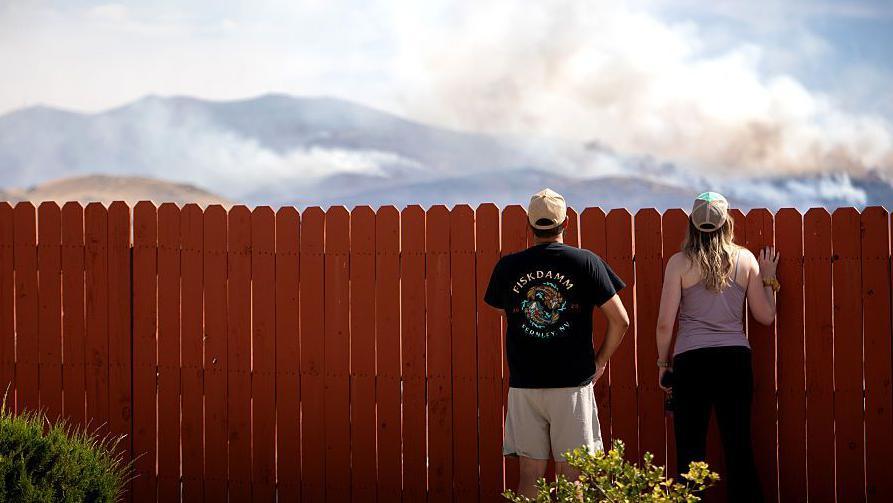
The Hawk Fire is pushing against a quarter of Reno’s outskirts, covering 15,000 acres and threatening homes, traffic, and wildlife.
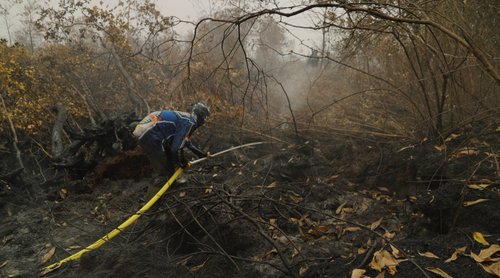
Since Saturday, the blaze has been burning in windy, dry hills. Fire crews, guided by satellite data, are working 24/7 to hold the front.
A strong wind shift could push flames toward populated neighborhoods. Weather services warn that temperatures and low humidity could keep the fire alive for two more days.
Evacuation orders still cover 23,000 residents and additional people are told to be ready at any moment. No deaths have been reported, but seven people—four civilians and three firefighters—suffered minor burns.
National Guard units joined the effort with helicopters and ground support. The Governor of Nevada has declared a state of emergency and activated the National Guard to aid firefighting, law enforcement, and logistics.
- Air tankers drop water and fire retardant.
- Firefighters from 15 states, plus crews from Australia and New Zealand, are on the front lines.
- Experts point out that human activity is the probable cause and climate change is making the landscape more fire‑prone.
The University of Nevada in Reno is monitoring the situation; some classes were cancelled by instructors out of caution, though the campus remains open.
Residents closer to the fire, such as Justin Davis, faced property loss but managed to protect a few vehicles with a water truck.
If you’re near the blaze, stay inside, lock windows, and listen to local alerts. Share your experiences online in a safe way—all this while keeping family and pets safe.