Rumen Radev's Progressive Bulgaria party looks set to win Sunday’s Bulgarian Parliamentary election - the eighth general election in five years. Exit polls place his party at around 37%, considerably more than the nearest rival, former prime minister Boiko Borisov’s GERB, which stands at 16%. Meanwhile, three to four other parties are also likely to secure seats in Parliament.
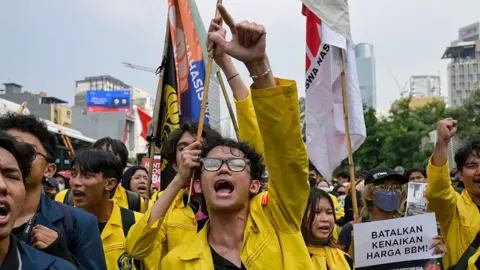
The election was called after mass protests erupted in response to a controversial budget proposal by the previous government, which Radev openly opposed. In his victory speech, Radev expressed gratitude to the electorate for rejecting the ‘self-satisfaction and arrogance' of established parties. He emphasized his vision for a strong Bulgaria that plays a pivotal role in Europe’s future.
Radev, who has been viewed as pro-Russian and critical of EU sanctions, has prioritized domestic issues like corruption while urging Bulgaria to bolster its industrial competitiveness.
Although his victory is significant, Radev will need to seek coalition partners as his party does not have a strong enough mandate to govern alone. His administration will likely continue to navigate the complexities of Bulgaria’s military support for Ukraine, especially given the country's important role in supplying ammunition through intermediaries. Radev has consistently argued against military supplies to Ukraine but acknowledges the need for increased military production within Europe, highlighting Bulgaria’s evolving role in the European defense landscape.
The election was called after mass protests erupted in response to a controversial budget proposal by the previous government, which Radev openly opposed. In his victory speech, Radev expressed gratitude to the electorate for rejecting the ‘self-satisfaction and arrogance' of established parties. He emphasized his vision for a strong Bulgaria that plays a pivotal role in Europe’s future.
Radev, who has been viewed as pro-Russian and critical of EU sanctions, has prioritized domestic issues like corruption while urging Bulgaria to bolster its industrial competitiveness.
Although his victory is significant, Radev will need to seek coalition partners as his party does not have a strong enough mandate to govern alone. His administration will likely continue to navigate the complexities of Bulgaria’s military support for Ukraine, especially given the country's important role in supplying ammunition through intermediaries. Radev has consistently argued against military supplies to Ukraine but acknowledges the need for increased military production within Europe, highlighting Bulgaria’s evolving role in the European defense landscape.