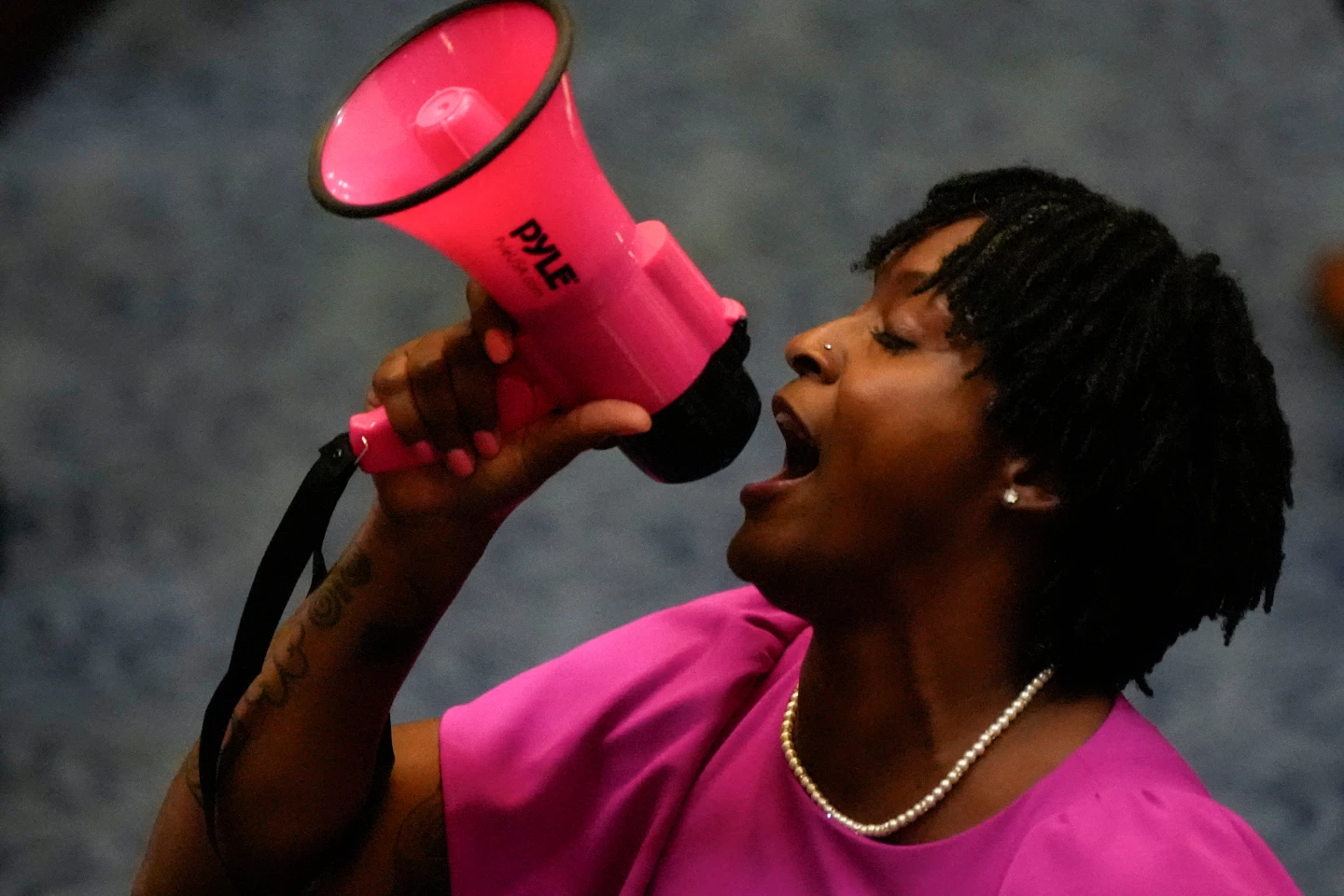
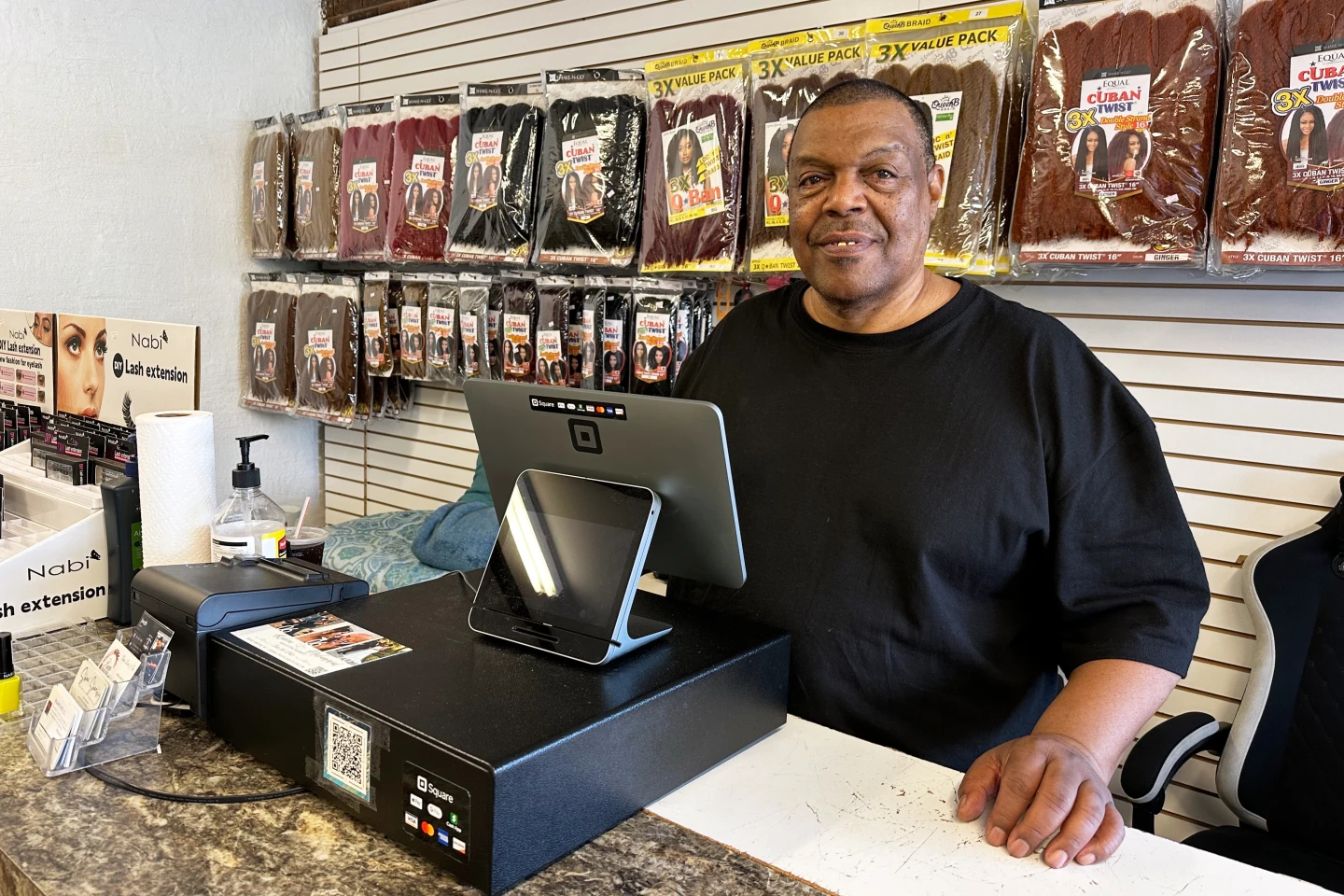
Ricky Brinkley, a 65-year-old resident of Nashville, North Carolina, voices the concerns of rural Black voters, feeling overlooked and underrepresented during election cycles. Despite their history of supporting Democrats, the party has struggled recently to mobilize rural Black communities that make up a significant portion of the state's electorate. The urgency to engage these voters comes as Democrats are gearing up for a crucial U.S. Senate race, with former governor Roy Cooper leading efforts to reach out beyond urban areas. This demographic shift has the potential to reshape political dynamics in North Carolina, where small mobilization efforts can significantly impact close races. The call to action from local leaders stresses the need for personalized approaches, moving away from distant canvassers to trusted local voices to build relationships and encourage participation. As the elections draw near, forming connections with these constituents could prove vital for Democratic success in November.
Rural Black Voters Hold Key to North Carolina's Political Future
Rural Black Voters Hold Key to North Carolina's Political Future
In North Carolina, Democrats are grappling with how to engage rural Black voters to boost their electoral chances in an increasingly competitive landscape. Can they bridge the gap?
North Carolina's rural Black voters are becoming a focal point for Democrats aiming to win elections in the battleground state. Despite having a strong base among Black voters, the party struggles to mobilize rural communities. With a pivotal Senate race and the presidential election on the horizon, strategies are being rolled out to encourage voter engagement and turnout among these vital constituents. Democratic leaders like former governor Roy Cooper and state party chair Anderson Clayton emphasize the importance of reaching out to these communities for political success.