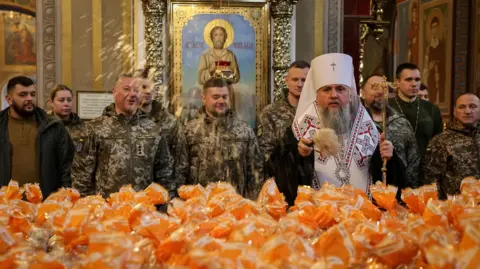
In a surprising development, Russia and Ukraine have agreed to a truce for Orthodox Easter, marking a temporary halt to the violence that has marked their long-standing conflict. Vladimir Putin announced the ceasefire, stating that Russian forces will cease fire 'in all directions' this weekend. This declaration follows repeated calls by Ukrainian President Volodymyr Zelensky for a ceasefire, which had previously been dismissed by the Kremlin.
The truce is set to begin at 16:00 local time on Saturday, April 11, and continue through Easter Sunday. Putin's statement included an appeal for Ukraine to adhere to the ceasefire, along with a warning for Russian troops to remain vigilant against potential provocations.
Despite this news, skepticism lingers among Ukrainians regarding the durability of the truce, especially given Russia's history of ceasefire violations. Zelensky responded positively, indicating Ukraine's readiness for reciprocal measures while emphasizing the need for peace. 'People need an Easter free from threats,' he stated.
Zelensky had previously encouraged the U.S. to convey a proposal for a holiday weekend ceasefire to Moscow as a first step toward lasting peace. For soldiers stationed along the ongoing frontline, a temporary cessation of hostilities would be a welcome relief from relentless attacks.
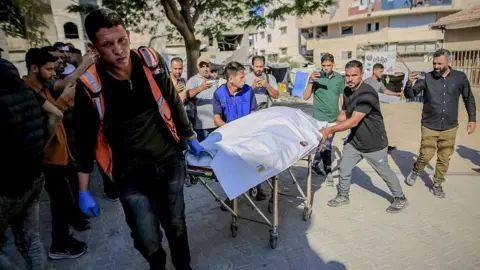
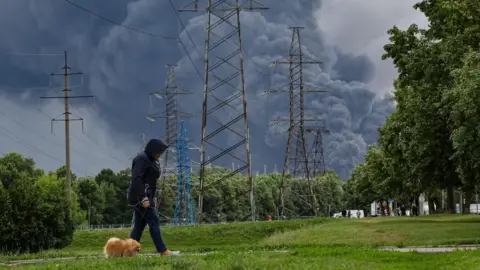
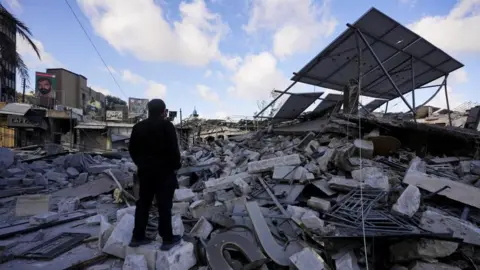
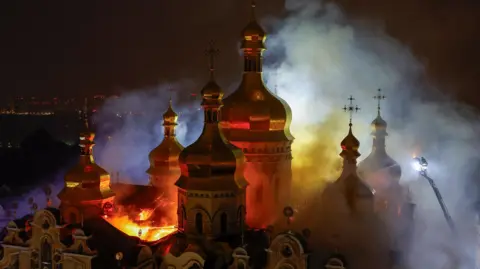
In a country where air raid sirens are a daily reality, this truce may provide a brief moment of calm for civilians as well. However, the situation remains precarious, with recent incidents highlighting the ongoing dangers, such as drone attacks and missile strikes that continue to claim lives. Despite the truce, skepticism remains high among Ukrainians about its potential effectiveness due to past experiences with similar agreements.
The truce is set to begin at 16:00 local time on Saturday, April 11, and continue through Easter Sunday. Putin's statement included an appeal for Ukraine to adhere to the ceasefire, along with a warning for Russian troops to remain vigilant against potential provocations.
Despite this news, skepticism lingers among Ukrainians regarding the durability of the truce, especially given Russia's history of ceasefire violations. Zelensky responded positively, indicating Ukraine's readiness for reciprocal measures while emphasizing the need for peace. 'People need an Easter free from threats,' he stated.
Zelensky had previously encouraged the U.S. to convey a proposal for a holiday weekend ceasefire to Moscow as a first step toward lasting peace. For soldiers stationed along the ongoing frontline, a temporary cessation of hostilities would be a welcome relief from relentless attacks.
In a country where air raid sirens are a daily reality, this truce may provide a brief moment of calm for civilians as well. However, the situation remains precarious, with recent incidents highlighting the ongoing dangers, such as drone attacks and missile strikes that continue to claim lives. Despite the truce, skepticism remains high among Ukrainians about its potential effectiveness due to past experiences with similar agreements.