In brief
US firms are quickly adapting to potential tariffs promised by Donald Trump, with looming concerns of increased costs and supply chain disruptions.
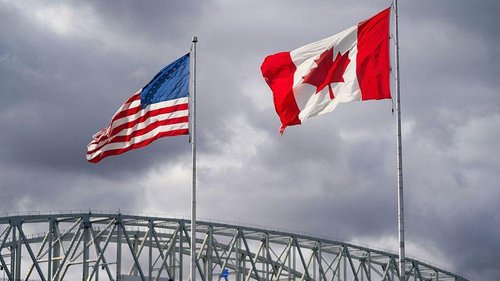
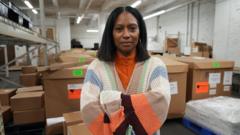
As the specter of Donald Trump's competition-driven tariffs looms, US businesses are stepping up their efforts to navigate the uncertainty. Handbag designer Sherrill Mosee of MinkeeBlue found herself in a predicament when expected shipments of 2,700 bags from a Chinese supplier faced delays. Following Trump's re-election, Mosee decided it was time to bring in her products sooner rather than later. With Trump signaling new tariffs on imports from China, Mexico, and Canada, many firms are scrambling to adjust. His proposed border tax could mean a 25% tariff on goods from Canada and Mexico, along with an additional 10% on Chinese imports, further complicating the supply chain landscape.The impact of these potential tariffs has already prompted businesses to stock up on inventory and re-evaluate contracts. Economists indicate that even the mere anticipation of these tariffs could slow down economic growth. For instance, footwear giant Steve Madden is already planning to reduce its imports from China, while Stanley Black & Decker is discussing price increases with customers. For many small businesses like Mosee's, the prospect of increased costs poses a significant threat. Firms are now under pressure to adapt, with some exploring alternative manufacturing locations, like Cambodia and India. Despite Trump's claims that tariffs will bolster US manufacturing, concerns about rising costs for consumers and businesses remain high. The National Retail Federation estimates a potential hike in consumer prices due to tariffs could range from $46 billion to $78 billion. For small business owners facing tight margins, like Mosee, the adjustments are daunting. “It’s going to be hard,” she admits, as uncertainty continues to loom over future trade policies.