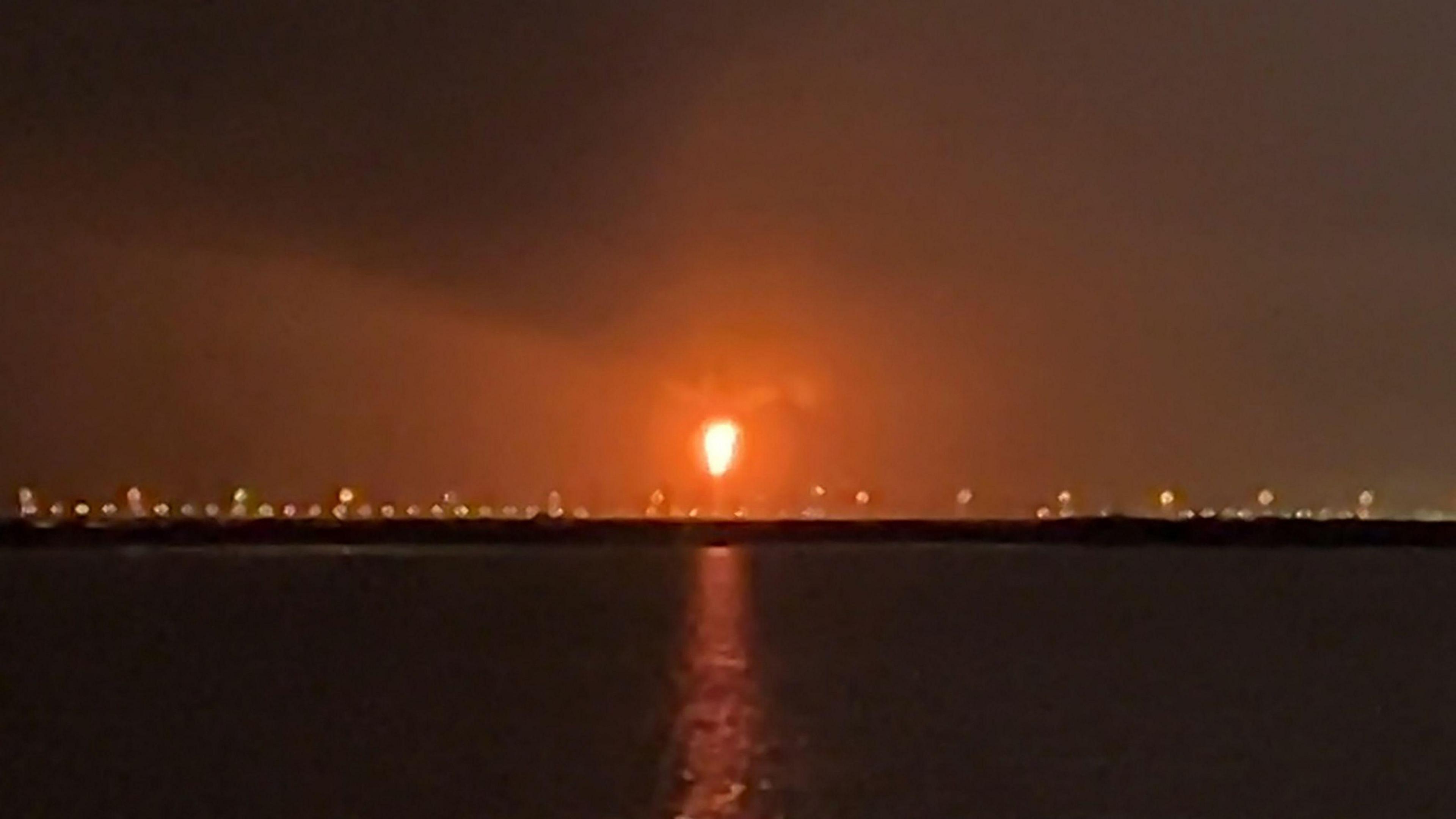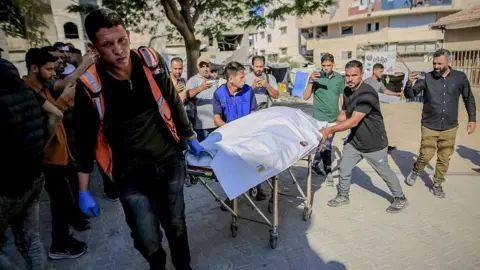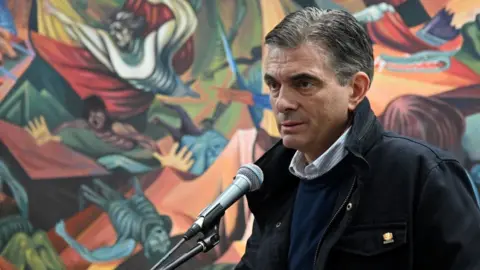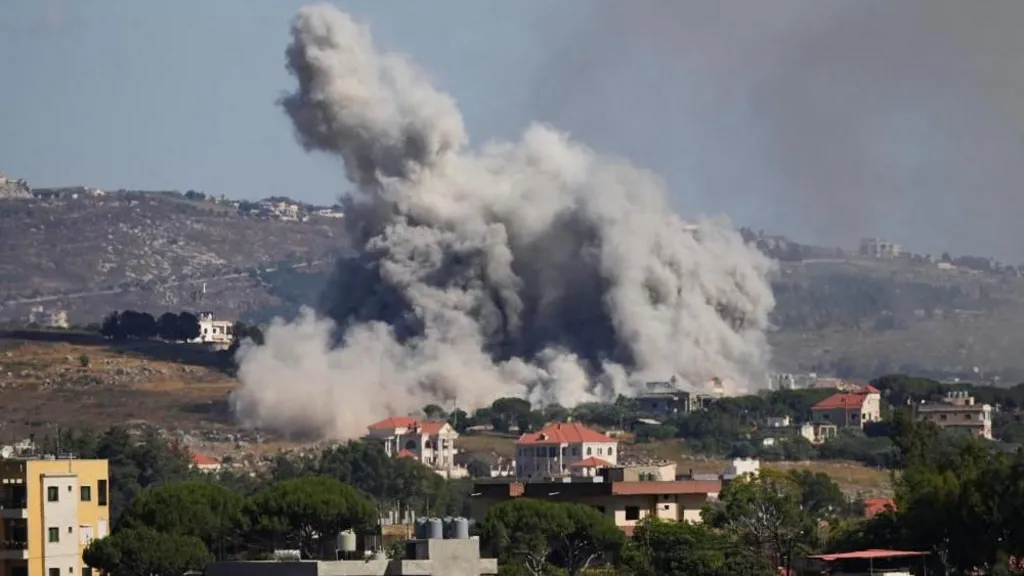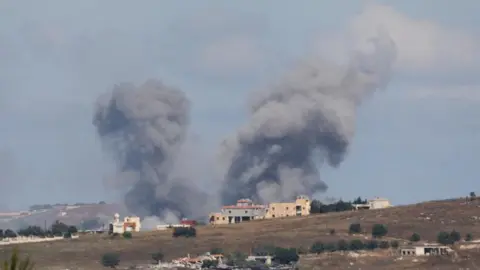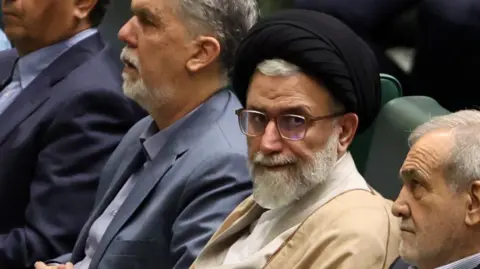
Esmail Khatib, Iran's intelligence minister, has been killed, the country's president has confirmed. Masoud Pezeshkian stated that this 'cowardly assassination' has left Iran 'in deep mourning', with news emerging that Israel executed the strike on Wednesday.
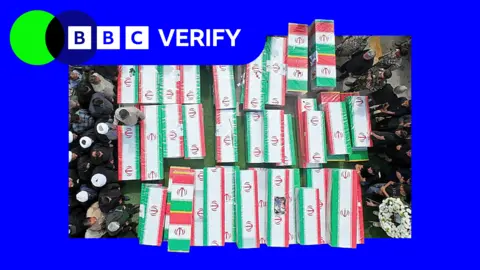
This incident follows closely on the heels of the announced deaths of other senior Iranian officials, including top security official Ali Larijani and Gholamreza Soleimani, head of the paramilitary Basij force. The coordinated strikes have prompted widespread anger and grief in Iran, which has been facing an unprecedented crisis since the beginning of the war.
In the wake of Khatib's assassination, conversations have begun in Iran about its potential impact on the citizens’ protests against the regime. Some believe this could lead to less violent crackdowns on demonstrators. This sentiment challenges the usual narrative of unwavering state power amidst resistance.
Israel's Defence Minister has made it clear that such operations against senior Iranian officials will continue, highlighting Khatib's significant role in Iran's intelligence operations related to domestic repression and international aggression. As the conflict continues to escalate, Iran's fate and the region’s stability remain uncertain, with retaliatory actions expected.