For 18 months, Alia has been waiting in a transit camp in Qatar for her promised resettlement to the US. But now that route appears to have closed for good. Where she and hundreds of other Afghan evacuees will end up next is unknown. Going back home to Afghanistan is not an option. It is too dangerous, Alia says, especially since the U.S. and Israel began a war with Iran.
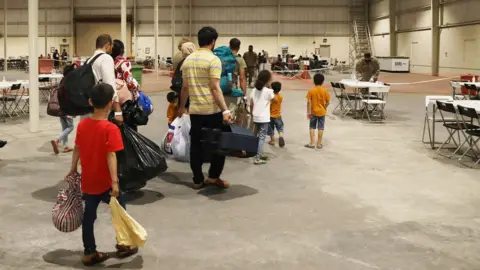
We have been betrayed. Not by the American people, but by those in government who had promised to take us to safety in America, says Alia, who worked as a lawyer in Afghanistan before the Taliban took over the country in 2021. Alia - whose name has been changed for her safety - is among over 1,100 evacuees from Afghanistan who are now stuck in limbo at Camp As-Sayliyah, a former U.S. military base in Doha.
The camp was established under Operation Allies Welcome, launched by the Biden administration following the Taliban takeover and chaotic U.S. withdrawal. However, this route to safety has been slowly closing, with the trend worsening since former President Trump's administration. With the U.S. announcing the closure of the camp by March 31, evacuees like Alia are thrown into fear and uncertainty.
Most are horrified by the rising danger as Iran begins to strike at U.S. interests in the region. Many have reported an increase in anxiety among the evacuees, particularly vulnerable groups such as children and pregnant women. They feel forgotten and unprotected in the facility where they had expected safety and freedom.
Afghan evacuees insist that they are not merely random refugees; they were directly involved with the U.S. mission in Afghanistan and were promised relocation to the U.S. Now, they appeal to the U.S. government, hoping for an exception that would allow them to find safety. The emotional burden of betrayal weighs heavily, underscoring the urgent need for a resolution for these individuals who risked everything to support U.S. efforts in Afghanistan.
We have been betrayed. Not by the American people, but by those in government who had promised to take us to safety in America, says Alia, who worked as a lawyer in Afghanistan before the Taliban took over the country in 2021. Alia - whose name has been changed for her safety - is among over 1,100 evacuees from Afghanistan who are now stuck in limbo at Camp As-Sayliyah, a former U.S. military base in Doha.
The camp was established under Operation Allies Welcome, launched by the Biden administration following the Taliban takeover and chaotic U.S. withdrawal. However, this route to safety has been slowly closing, with the trend worsening since former President Trump's administration. With the U.S. announcing the closure of the camp by March 31, evacuees like Alia are thrown into fear and uncertainty.
Most are horrified by the rising danger as Iran begins to strike at U.S. interests in the region. Many have reported an increase in anxiety among the evacuees, particularly vulnerable groups such as children and pregnant women. They feel forgotten and unprotected in the facility where they had expected safety and freedom.
Afghan evacuees insist that they are not merely random refugees; they were directly involved with the U.S. mission in Afghanistan and were promised relocation to the U.S. Now, they appeal to the U.S. government, hoping for an exception that would allow them to find safety. The emotional burden of betrayal weighs heavily, underscoring the urgent need for a resolution for these individuals who risked everything to support U.S. efforts in Afghanistan.