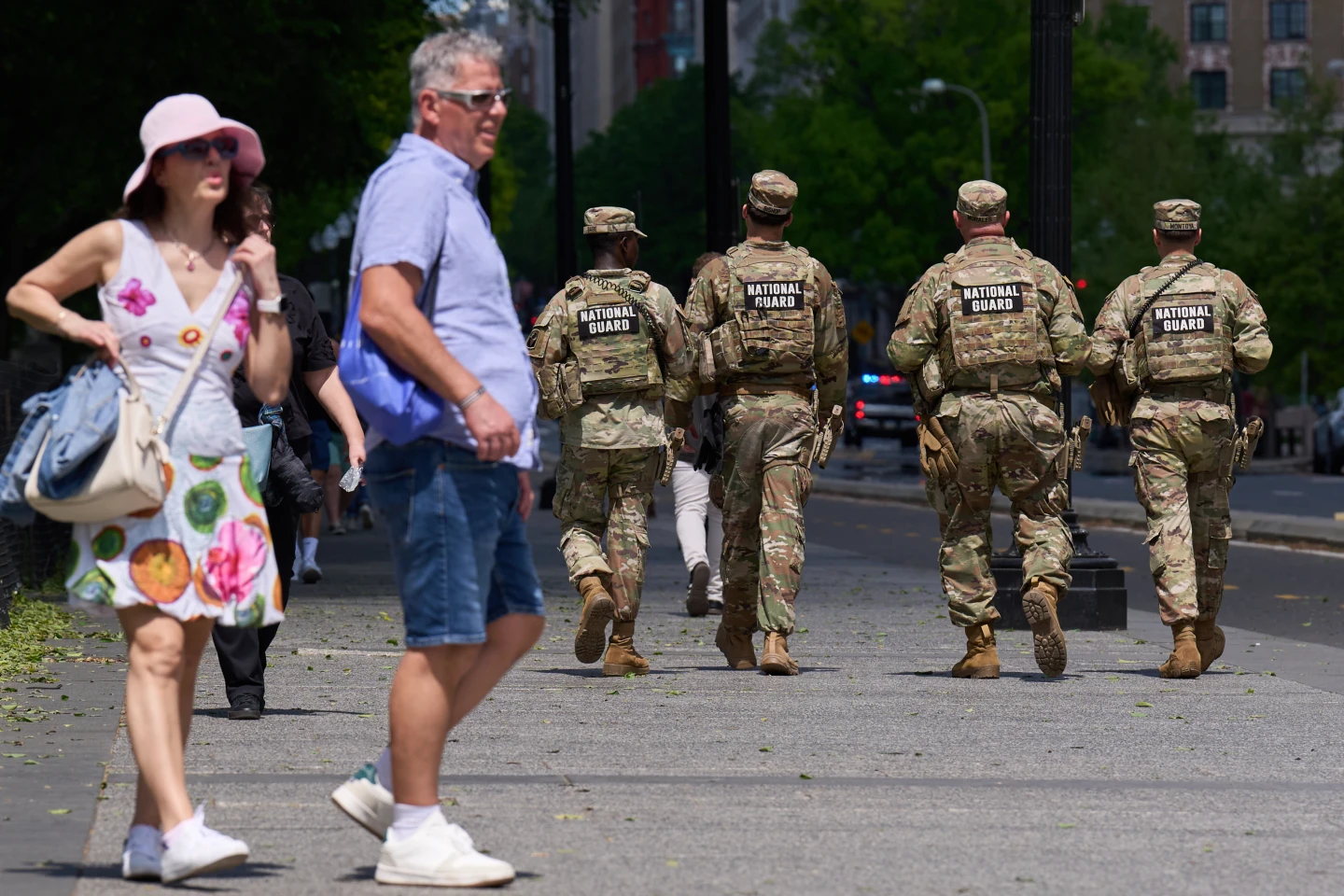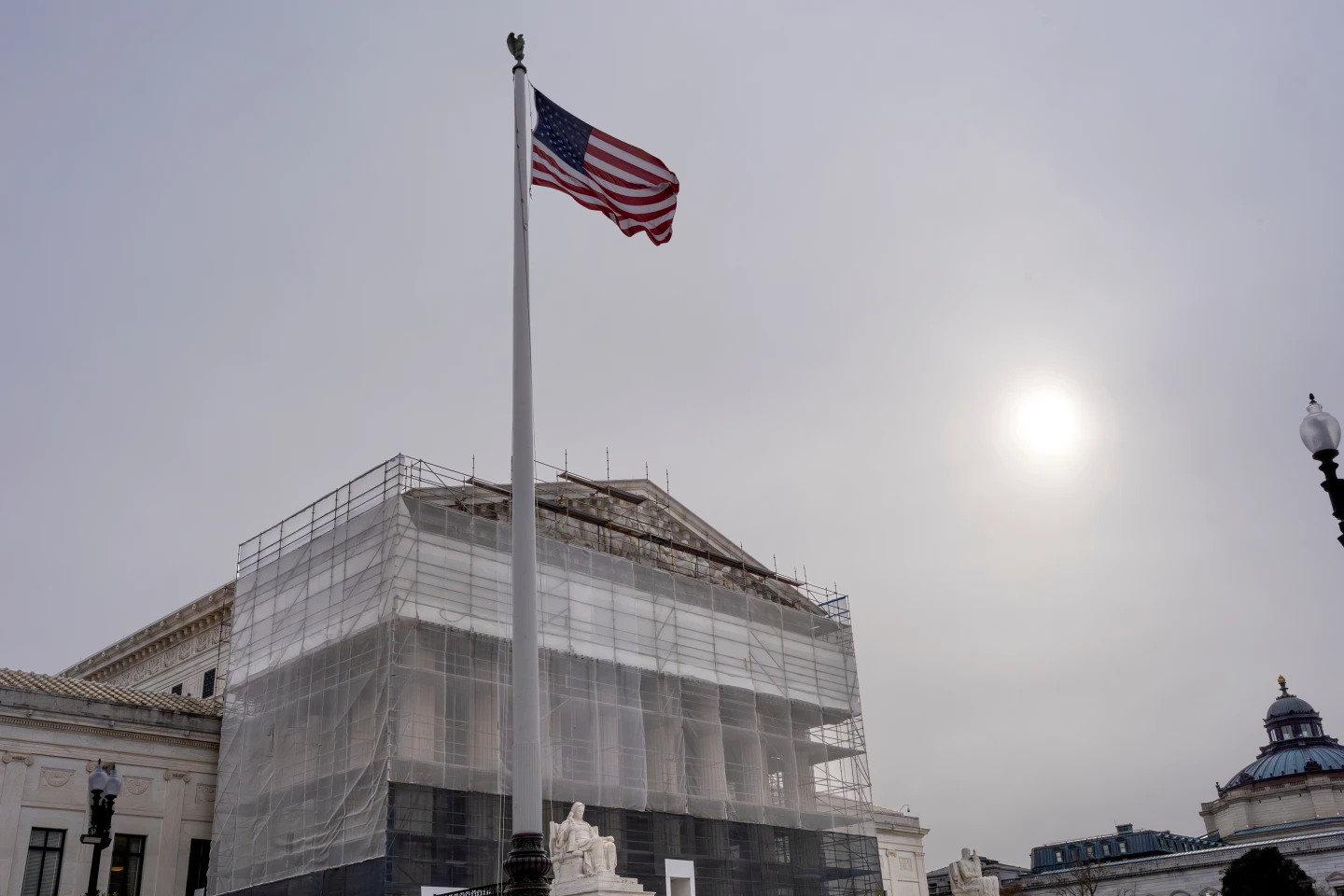
WASHINGTON (AP) — The Supreme Court on Tuesday denied the Trump administration's emergency request to deploy National Guard troops in Chicago to support immigration enforcement efforts. This decision came after U.S. District Judge April Perry had blocked the troop deployment, indicating a lack of evidence for any immediate threat to federal authorities in the region.
Three justices—Samuel Alito, Clarence Thomas, and Neil Gorsuch—expressed their disagreement with the ruling, highlighting divisions within the court.
Though the Supreme Court's order is not a final ruling, it could have broader implications for other lawsuits regarding military actions in Democratic-led cities. Trump's administration has faced challenges in similar cases across the country, with blockades in Illinois and other states regarding National Guard deployments.
Initially, Trump sought to send National Guard units from Illinois and Texas, but plans have been disrupted as legal challenges continue. Meanwhile, protests have emerged outside ICE facilities in Illinois, offering a tumultuous backdrop to the ongoing legal battles over immigration and military deployment.