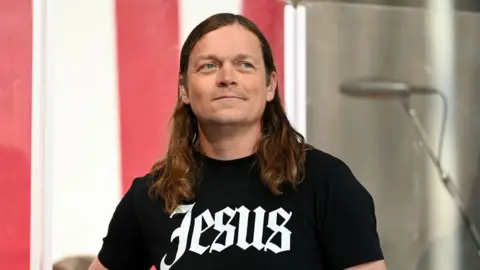
The U.S. Supreme Court recently revived a lawsuit from Gabriel Olivier, an evangelical preacher who was barred from demonstrating in Mississippi after authorities claimed he shouted insults over a loudspeaker. The Court ruled unanimously, stating Olivier's requested legal action does not violate previous criminal convictions.
This landmark decision allows Olivier to challenge the ordinance that he claims restricts his rights to free speech and practice of religion. He was originally arrested for refusing to move his preaching away from a suburban amphitheater and was accused of using derogatory terms while holding signs depicting aborted fetuses.
The Court clarified that Olivier's case could continue as he seeks an injunction against the enforcement of the ordinance, emphasizing the importance of protecting First Amendment rights. Justice Elena Kagan noted that seeking a remedy for future enforcement does not negate past convictions.
Advocates argue that this ruling is a significant win for free speech across the political spectrum, allowing individuals to bring action against perceived violations of their rights. Olivier's lawyers contend that the case could open the floodgates for similar civil rights lawsuits, although local governments warn of potential ramifications.
The city of Brandon maintains that the restrictions were not based on religion, asserting that Olivier had alternative legal pathways to contest the law. The greater implications of this decision could influence how local governments manage protest regulations and civil liberties in public spaces.