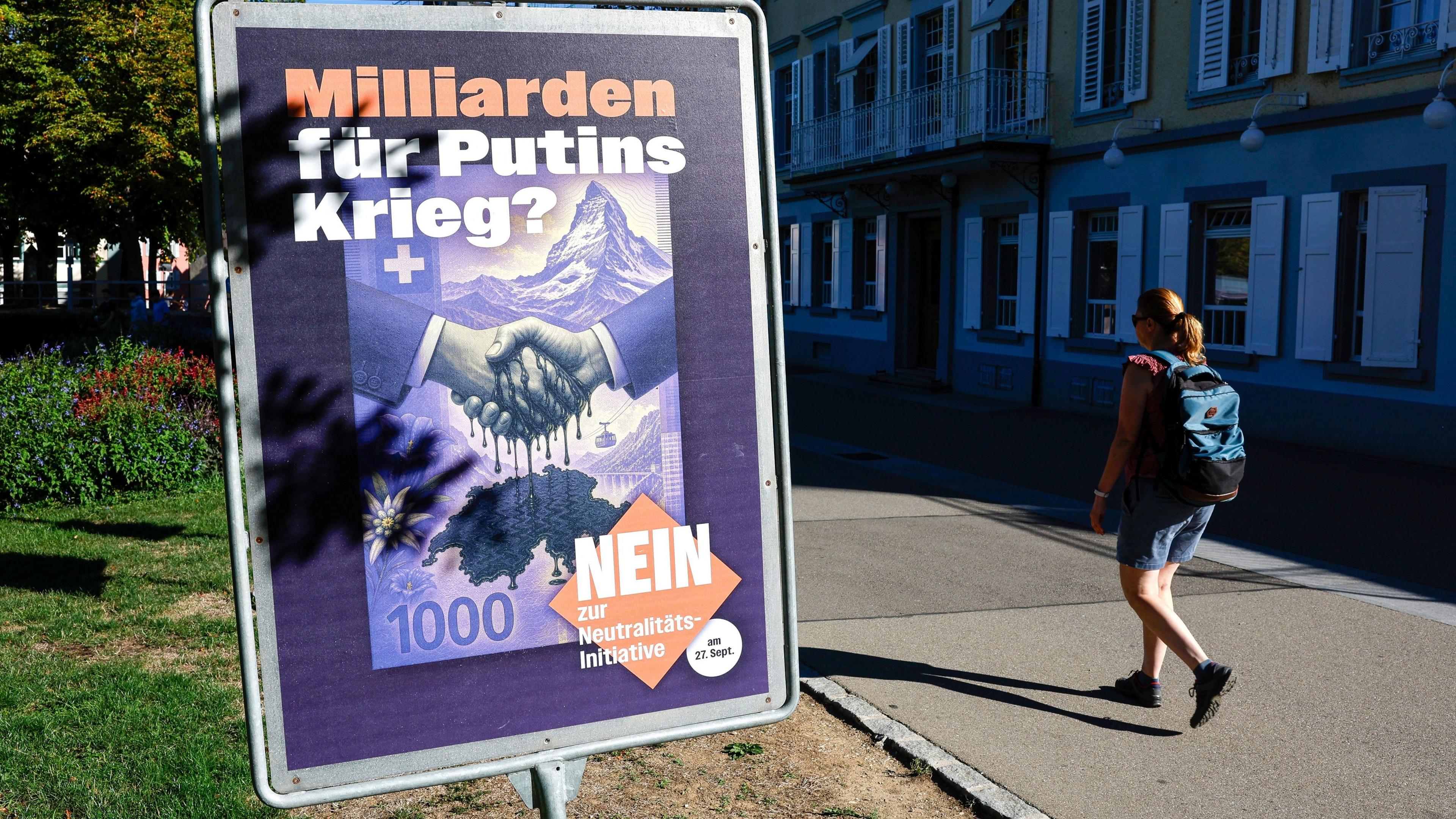
Swiss voters overwhelmingly rejected the plan to tighten the country’s neutrality. The proposed changes would have forced Switzerland to seek UN approval before imposing sanctions and would have reduced ties with NATO.
More than 70% of voters cast a “no” vote on the initiative, showing that the country is still willing to sanction Russia without waiting for a UN mandate.
The proposal received support from Moscow and the right‑wing Swiss People’s Party, but was opposed by the federal government and all other major parties.
“People have a clear idea of what neutrality is supposed to achieve,” said Lukas Golder, co‑director of the Gfs.bern research institute. He added that the vote confirmed Switzerland is ready to confront violations of international rules.
Foreign Minister Ignazio Cassis said neutrality has always been applied flexibly, stressing that it does not mean indifference. He clarified that Switzerland will not look away from ongoing war crimes.
The nation’s neutrality was officially recognised in 1815, when it was granted “eternal neutrality” at the Congress of Vienna. It was codified by the 1907 Hague Convention, which forbids Swiss weapon sales to belligerent nations.
Switzerland has faced criticism for its wartime policies, including turning away Jewish refugees during World War Two and holding Nazi‑looted gold, leading to apologies in the 1990s.
The country’s direct‑democracy system allows major policy decisions to be put to a national vote, echoing its tradition of citizen involvement in shaping foreign policy.