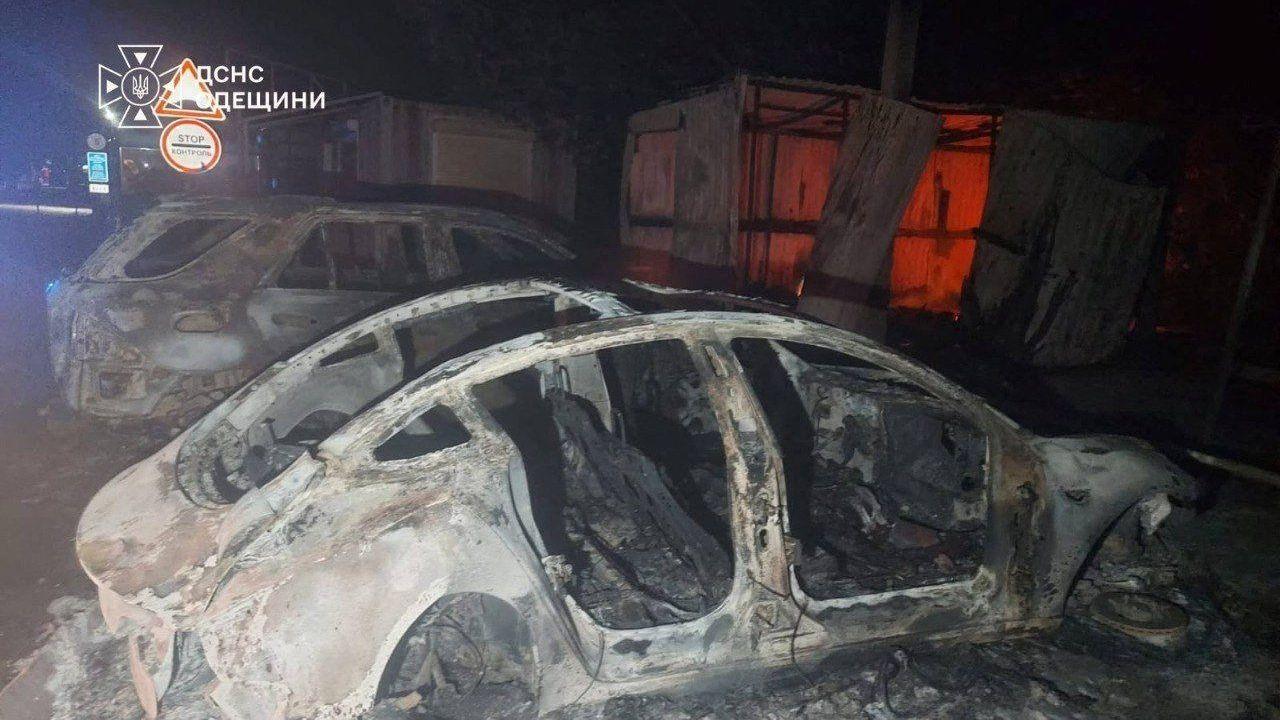
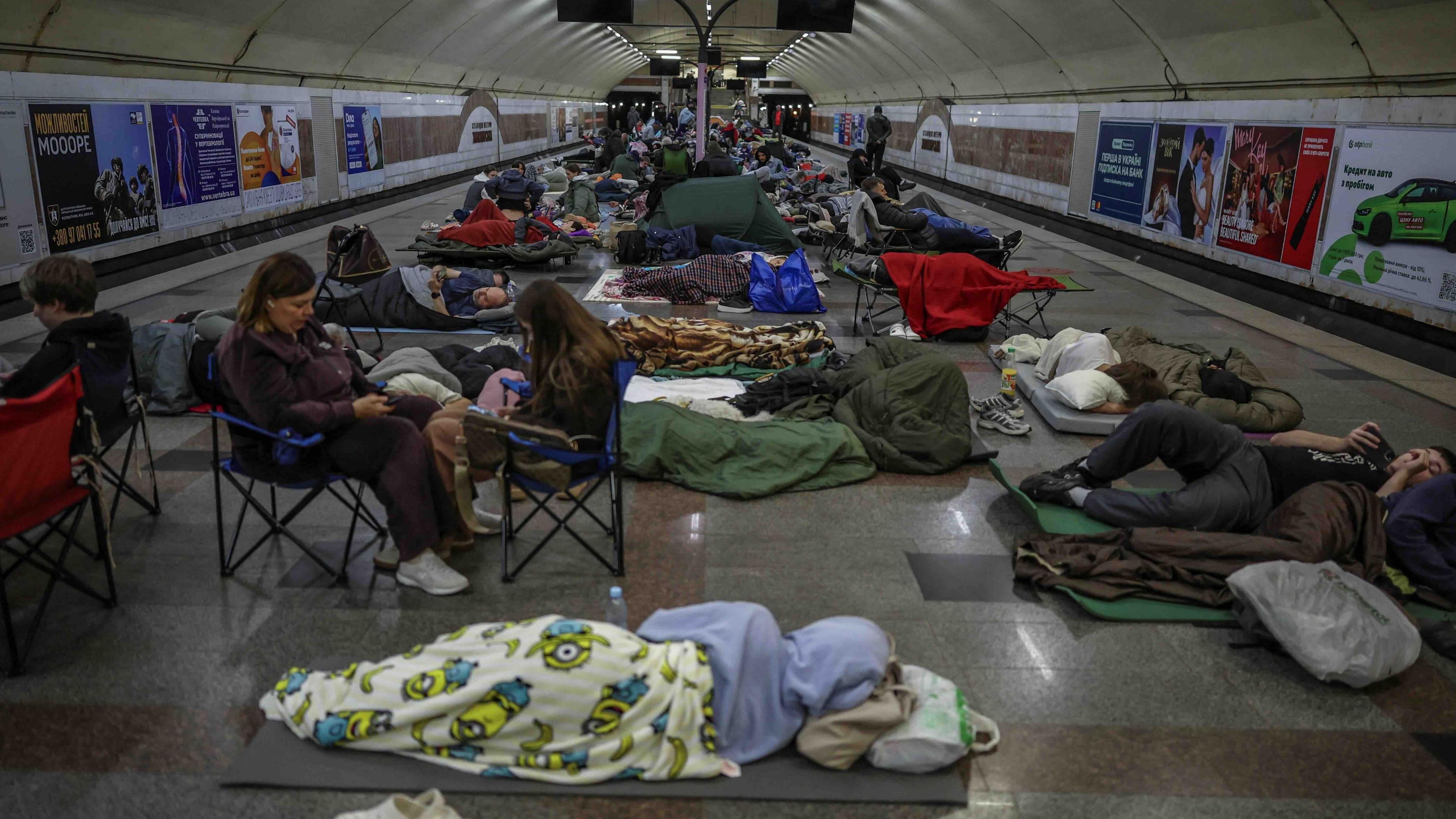
The city of Oleshky sits in southern Ukraine, one long‑winding road from the Dnipro River and a tough line of Russian troops. The war has turned it into a hard‑to‑reach refugee camp. No food trucks, no water pipes, no electricity, no normal hospitals.
With food delivery stopped since May, many residents have begun cooking weeds that grow wild in the gardens. The men who can leave the city trail their abandoned lives on the street, but roads are mined, risking death. Those who stay survive on a single meal a day, made of plain bread, sometimes with tomato, honey or a cup of tea.
Civilians face danger from drones, a rising tide. Two men carrying a bag of groceries were shot down in September, and the counts of casualties keep rising. Local volunteers keep a spreadsheet of those who have been killed. Ksenia Arkhipova, who escaped in summer 2022, reports that she has names of more than 120 people who have died.
The Russian occupation forces block burying bodies that are not natural deaths, demanding post‑mortems by a Russian doctor—an impossible request. As a result, some bodies have sat on streets or in the morgue, while stray dogs eat them.
The situation is a nightmare, but the city holds out hope. Foreign Minister Andriy Sybiha has asked the United Nations to press Russia to allow humanitarian aid. Oleshky is a reminder that war affects everyday survival, flipping a city’s normal life into a survival game.