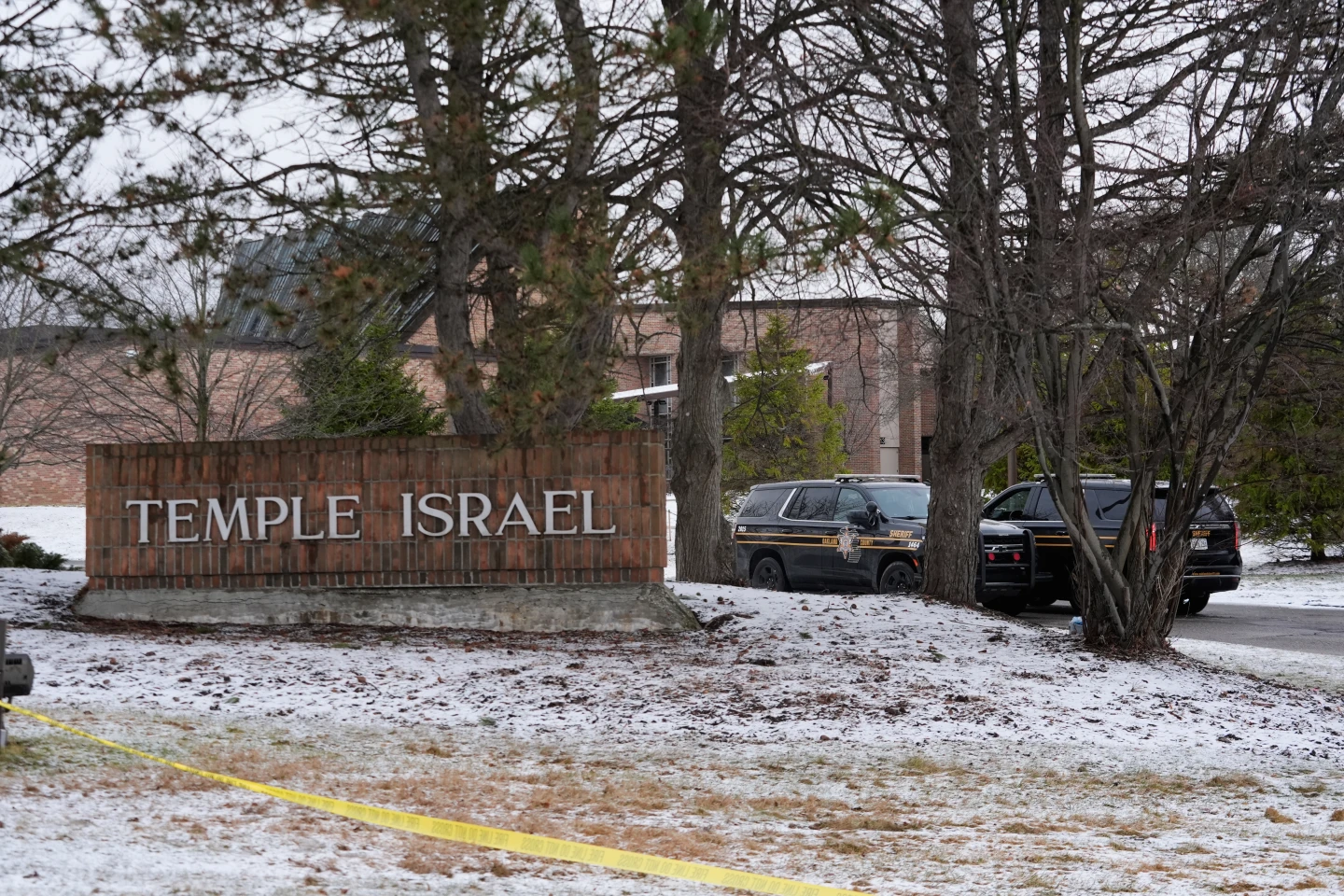
U.S. Jewish communities are currently navigating an emotionally charged landscape marked by heightened antisemitism and contentious views regarding Israel. A recent incident, where an individual drove a pickup truck into a synagogue in Michigan, has intensified calls for unity and clear moral distinctions in addressing violence against Jews.
Rabbi Rick Jacobs, the president of the Union for Reform Judaism, expressed that blaming American Jews for foreign government actions is dangerous. “One can be deeply critical of the policies of the State of Israel and still recognize that targeting synagogues or any Jewish institutions with violence is not political protest; it is antisemitism, plain and simple,” he stated.
Author Peter Beinart also condemned the attack while maintaining his criticism of Israeli policies in Gaza and the West Bank. He remarked that American Jews should not be held accountable for actions undertaken by the Israeli government.
This situation highlights the complex interplay between dual identities as Jews grapple with pride in their heritage alongside criticisms of the Israeli government. Community members stress that while they stand for a Jewish homeland, they must also oppose violence borne of political frustration targeting innocent Jewish institutions.
As tensions escalate, Jewish leaders advocate for deep conversations within their communities to address the multifaceted issues of antisemitism, support for Israel, and the safety of Jews worldwide.