In brief
Tesla has pushed the boundaries of automotive tech once again with a new Roadster that can lift off the ground. The prototype featured miniature thrusters that let it hover and even spin in mid‑air, showcased at a SpaceX-owned Texas facility. Elon Musk admitted that the show was a "proof‑of‑concept" rather than a commercial product. Experts say that while the demo is cool, regulatory, safety and battery‑range hurdles mean that everyday flying cars are still a long way off.
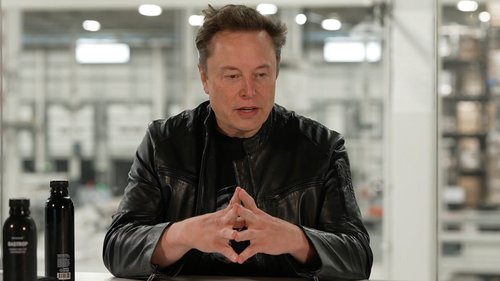
On a sunny Texas day, Elon Musk turned a familiar shape into a jet‑powered legend, unveiling the latest Roadster with invisible thrusters that let it lift off the ground.
The prototype featured twelve tiny ion‑jet fans that were powered by the car’s super‑charged battery pack, allowing it to soar, twist, and land as smoothly as a paper plane but with a sleek futurist design. Musk cut the ribbon to a video that played on a big screen behind him – a tiny 3‑second clip that saw the Roadster launching off a ramp, looping in the air, and touching down on a cushion of air jets.
"You’re going to see some crazy stuff tonight," Musk said, looking straight at the audience. He later added that the demonstration was a "proof‑of‑concept" to show the tech and that it is not an AI‑driven vehicle.
While fans were dazzled, tech journalist Zoe Kleinman warned that practical flying cars are still a million miles away. Key hurdles include battery capacity compared to the energy used for lift, certification for air traffic control, and the sheer cost of the technology for consumers.
- Battery weight vs. lift power: It takes a lot of energy, which limits how long a car can stay airborne.
- Regulatory maze: The FAA and its international counterparts would need to approve a whole new class of vehicle.
- Wind safety & infrastructure: Where would a car land & how would it navigate side‑to‑side traffic in the sky?
Ready to test your own flying skills? Hit the “Flying Car Challenge” on SnapScope and show us what you can do!