Officials from Thailand and Cambodia will meet next week to discuss the possibility of reviving a ceasefire, Thailand's foreign minister said, as deadly border clashes entered a third week.
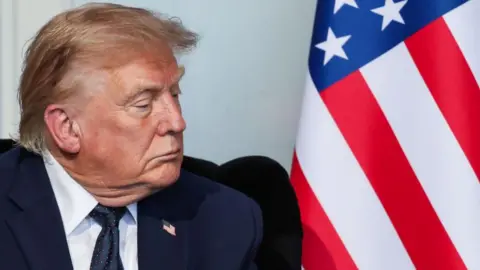
Both countries had signed a ceasefire earlier in July, brokered by US President Donald Trump. But fighting broke out again earlier this month - which both countries have blamed each other for.
On Monday, top officials from both countries met at a summit in Malaysia, their first face-to-face meeting since fighting resumed.
Speaking afterwards, Thailand's Foreign Minister said the July ceasefire was rushed, saying it was because the US wanted the declaration signed in time for Trump's [visit]. We were sometimes in a rush because the US wanted it signed by the visit of President Trump, said Sihasak Phuangketkeow.
But sometimes we really just [need to] sit down, trash things [out]... make sure that the ceasefire reflects... the situation on the ground. And the ceasefire is one that really holds.
Mr. Phuangketkeow said a meeting between military officials from both Thailand and Cambodia would take place on 24 December, and that this would need to happen before any ceasefire agreement could be reached.
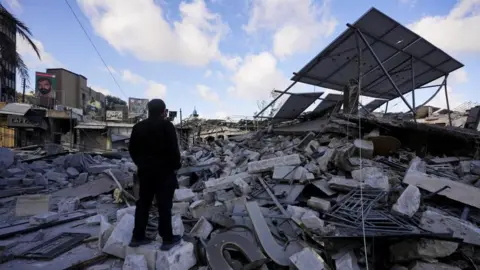
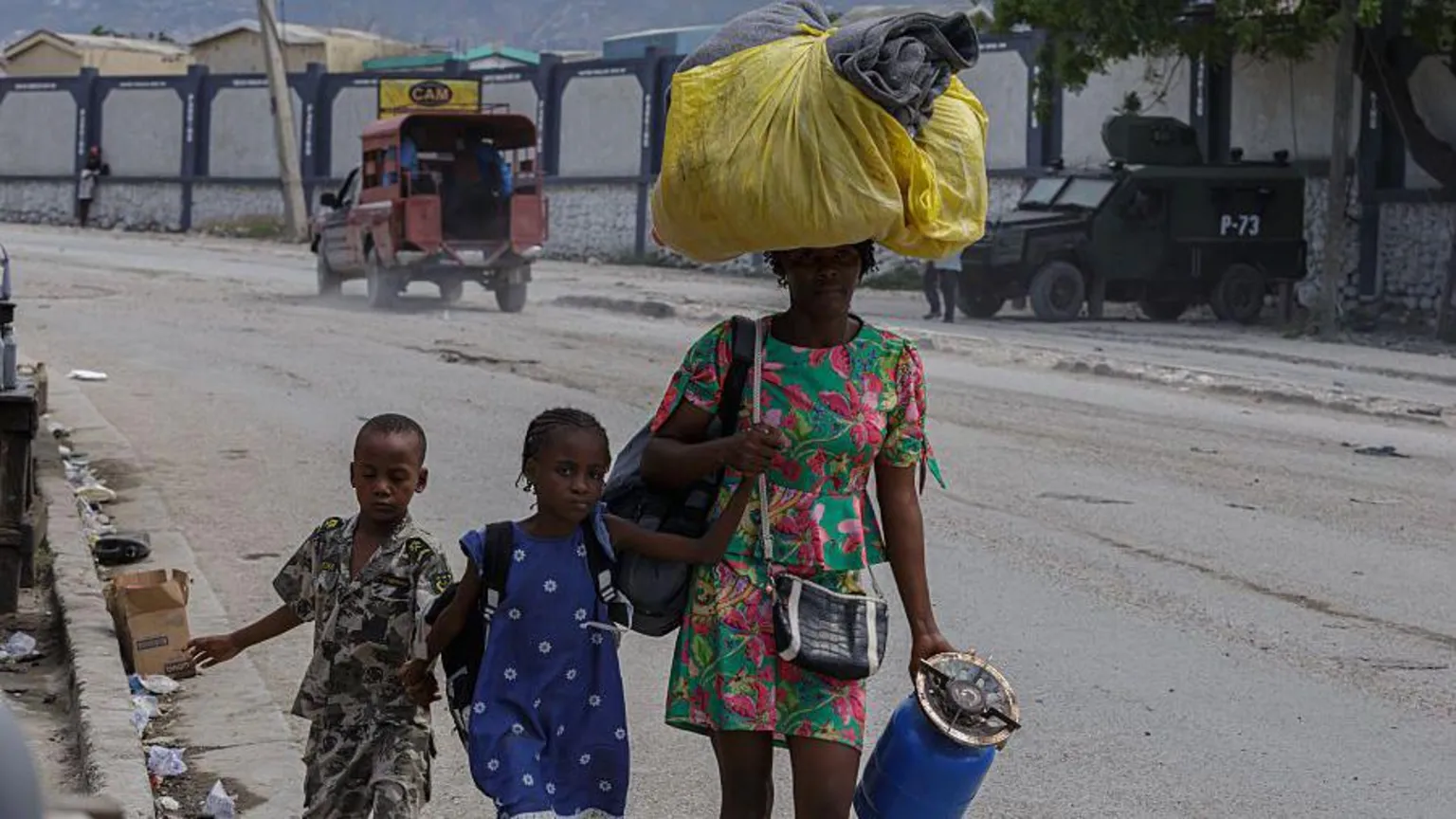
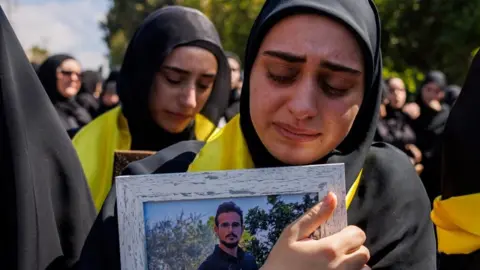
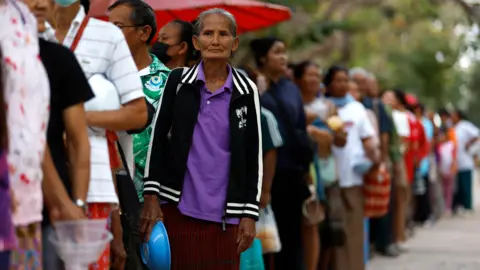
Cambodia has yet to comment on the matter. At least 41 people have been killed and almost one million displaced since the renewed fighting this month.
Both countries have blamed each other for the fresh hostilities. The most recent fighting has seen the exchange of artillery fire along the 800km (500-mile) border. Thailand has also launched air strikes targeting Cambodian positions.
At the Association of Southeast Asian Nations (Asean) meeting on Monday, Malaysia's foreign minister had asked both sides and other Asean members to give the matter our most urgent attention.
We must consider the wider ramifications of the continued escalation of the situation for the people we serve, Mohamad Hasan told his counterparts.
The conflict has been the worst between Asean member states since the association was founded in 1967. The failure to contain it represents a serious blow to the bloc's credibility.
The US and China have also been attempting to mediate a new ceasefire.
China's special envoy for Asian affairs, Deng Xijun, visited Phnom Penh last week. A statement from Beijing said he reaffirmed that China would continue to play a constructive role in facilitating dialogue between Cambodia and Thailand.
The argument between Thailand and Cambodia dates back more than a century, and there have been sporadic clashes over the years. In May, tensions ramped up after a Cambodian soldier was killed in a clash, leading to escalated military confrontations in July. An immediate and unconditional ceasefire was later brokered but fell apart by December, with both sides blaming each other for the re-ignition of fighting.