In brief
Many U.S. manufacturers are struggling under tariffs imposed by former President Trump, which were meant to revitalize American production but have instead increased costs and reduced jobs in the sector. Jay Allen, who runs a manufacturing company, reported significant losses and layoffs as import taxes made essential materials and equipment more expensive. While the White House maintains that construction and productivity are rising, the reality on the ground reveals a different story—the manufacturing industry grapples with uncertainty as it seeks stability amidst ongoing tariff fluctuations.
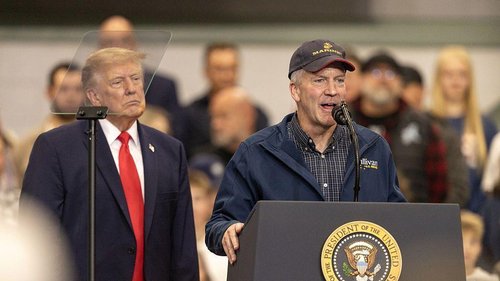
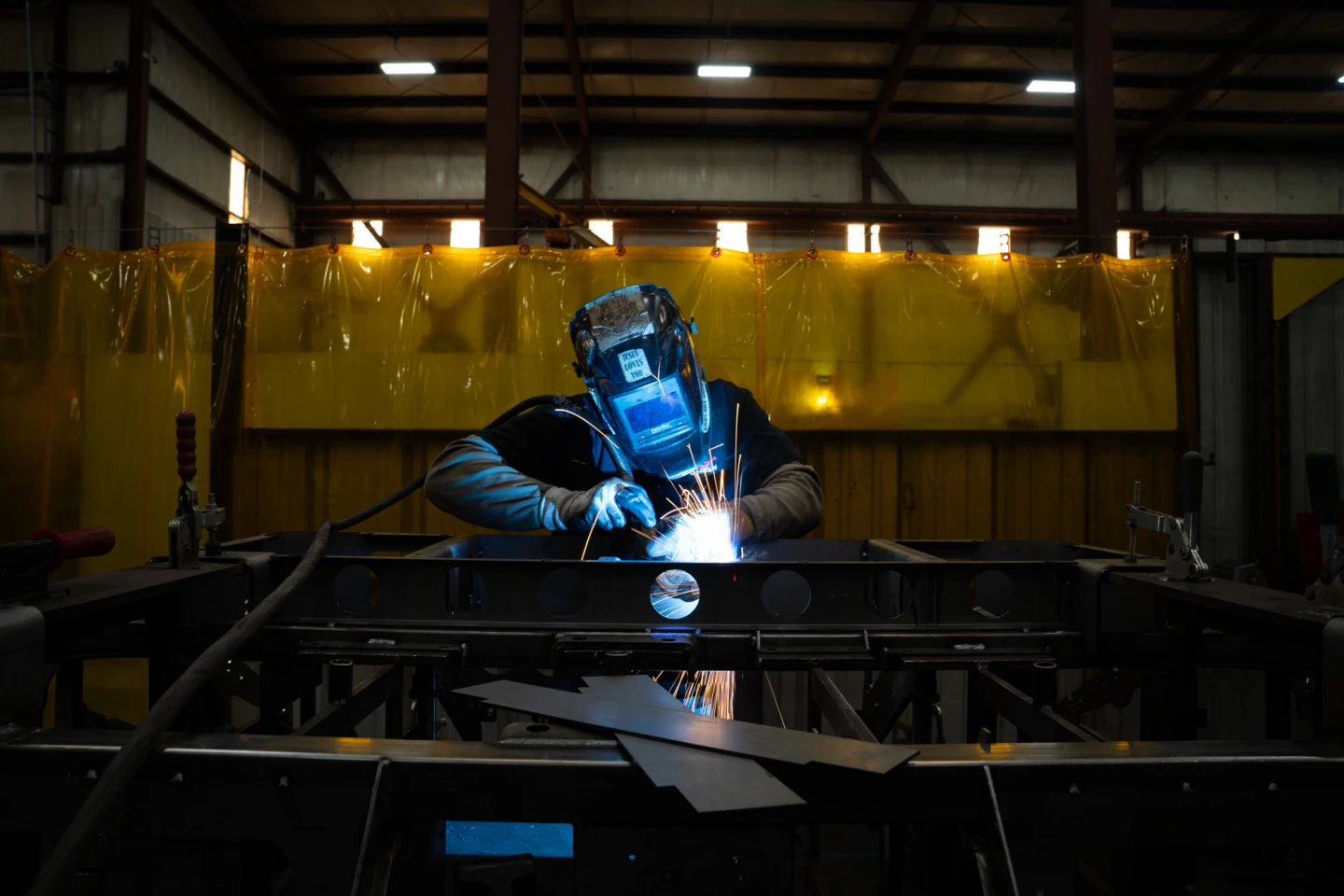
Jay Allen, a manufacturer from Arkansas, initially supported President Trump's policies, believing they would cut taxes and promote job growth in the manufacturing sector. However, the tariffs central to Trump's economic agenda have significantly disrupted his business. Import taxes on materials essential for production have substantially increased costs, resulting in reduced profits and workforce decreases.
According to Allen, his company has suffered, leading to layoffs from 205 to 140 employees, and he has had to raise prices by 8% to 10% to stay afloat. This situation reflects a broader trend within the manufacturing sector, where job losses have occurred despite the administration's claims of economic revival.
During Trump's resumed presidency, approximately 98,000 manufacturing jobs were lost, raising questions about the effectiveness of his trade policies. The tariffs have instead discouraged investment, as manufacturers face uncertainty regarding future regulations and costs. Allen stated, 'What’s really sad is that the unintended consequences of his tariffs are hurting manufacturing in our country,' highlighting the distress faced by working-class individuals caught in this policy shift.
The White House has counters that construction spending is high and that productivity is increasing, promising eventual benefits from these policies. Yet, many in the industry point out that the expansion in construction is primarily a result of initiatives spearheaded by President Biden, particularly his CHIPS Act aimed at bolstering semiconductor manufacturing. Experts suggest that without a consolidated approach to tariff implementation and international cooperation, American manufacturers may continue to struggle in the face of rising global competition.