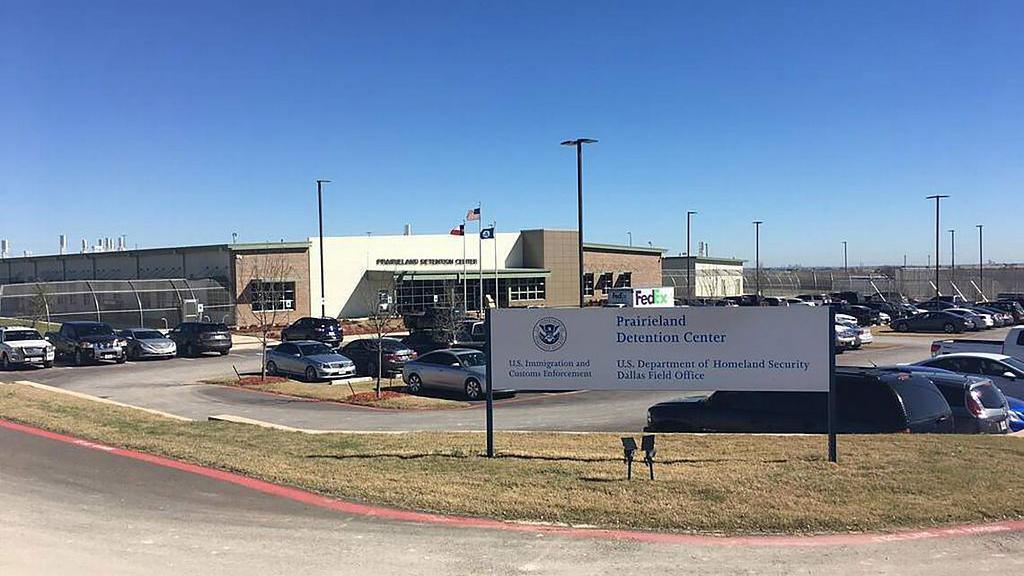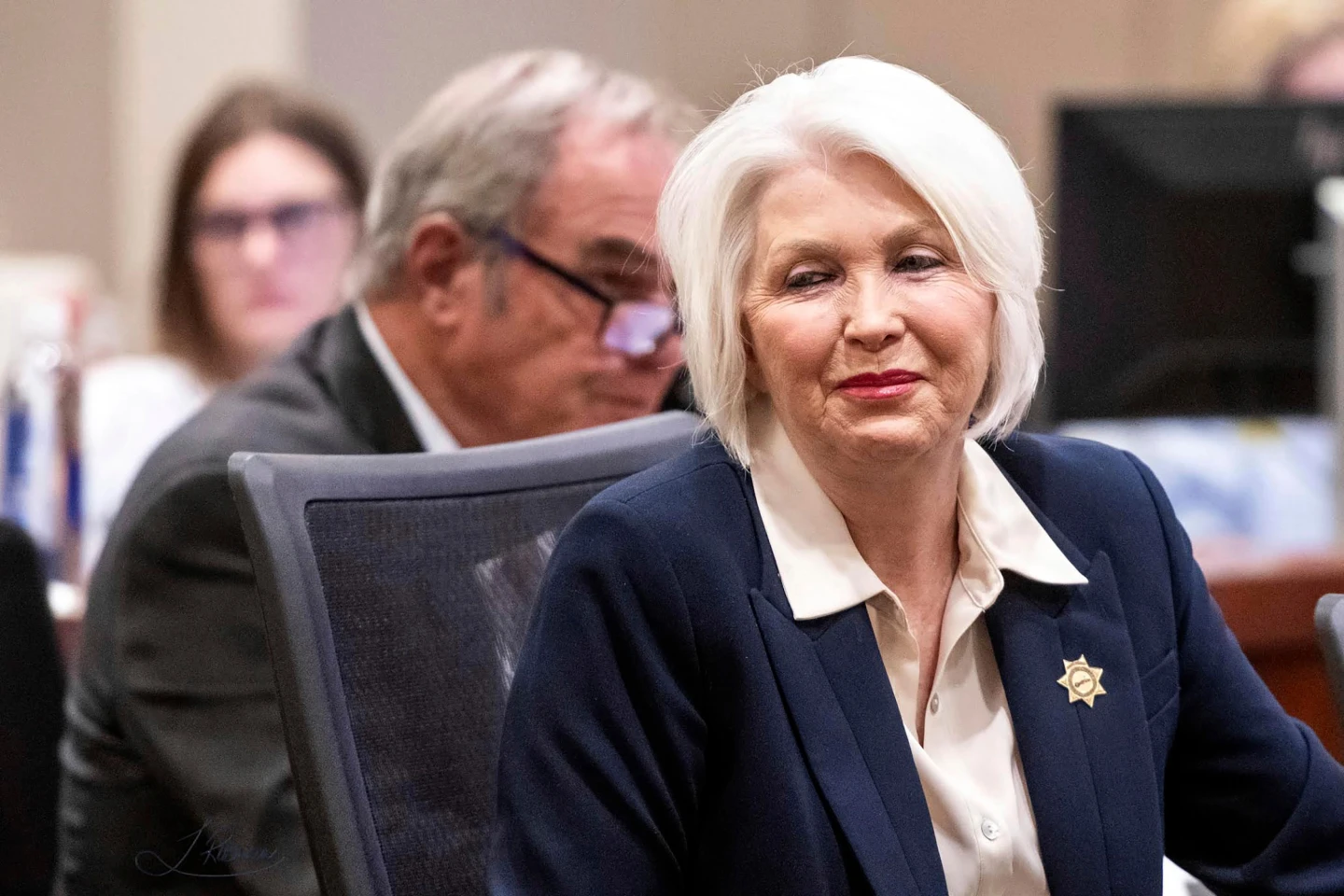
Colorado’s former election clerk, Tina Peters, will be released from prison this Monday after serving only a portion of a nine‑year sentence for her role in a breach of the county’s election system. The state’s governor, Jared Polis, cut Peters’ term on May 15 amid pressure from President Donald Trump. Although a specialist court ordered the resentencing as Peters had been sentenced for speaking out about alleged fraud, the attorney said she would keep her silence when freed.
Peters was the first state official charged with tampering after the 2020 election. She worked with a computer expert tied to President‑broadcaster Mike Lindell to copy the county’s Dominion voting system during an upgrade in 2021. Later she joined Lindell onstage at a “cybersymposium” that claimed the election was rigged, posting video showing passwords and password‑protected data online.
The Colorado Department of Corrections has not yet confirmed the exact release time. Peters is a 70‑year‑old who pleaded guilty in February 2024 to several charges: influencing a public servant, conspiracy to commit criminal impersonation, violating duty and other crimes linked to the election system theft.
Peters’ case sparked a showdown between state authority and federal influence. President Trump, unsatisfied with a state‑law conviction, urged Gov. Polis to commute the prison sentence. He threatened to cancel a White House meeting with the governor and issued other political moves to undermine Colorado. The governor’s letter noted Peters “deserved to spend time in prison” but described the sentence as “extremely unusual and lengthy” for the offender.
Political leaders reacted sharply. The Secretary of State for Colorado, Jena Griswold, called the commute a “dark day for democracy” and claimed it represented a sale of the state’s justice system for Trump’s benefit. The move highlights the broader tension in American politics over election integrity and the influence of executive power on state judicial processes.}
Peters was the first state official charged with tampering after the 2020 election. She worked with a computer expert tied to President‑broadcaster Mike Lindell to copy the county’s Dominion voting system during an upgrade in 2021. Later she joined Lindell onstage at a “cybersymposium” that claimed the election was rigged, posting video showing passwords and password‑protected data online.
The Colorado Department of Corrections has not yet confirmed the exact release time. Peters is a 70‑year‑old who pleaded guilty in February 2024 to several charges: influencing a public servant, conspiracy to commit criminal impersonation, violating duty and other crimes linked to the election system theft.
Peters’ case sparked a showdown between state authority and federal influence. President Trump, unsatisfied with a state‑law conviction, urged Gov. Polis to commute the prison sentence. He threatened to cancel a White House meeting with the governor and issued other political moves to undermine Colorado. The governor’s letter noted Peters “deserved to spend time in prison” but described the sentence as “extremely unusual and lengthy” for the offender.
Political leaders reacted sharply. The Secretary of State for Colorado, Jena Griswold, called the commute a “dark day for democracy” and claimed it represented a sale of the state’s justice system for Trump’s benefit. The move highlights the broader tension in American politics over election integrity and the influence of executive power on state judicial processes.}