In brief
In a pre‑NATO summit briefing, Trump blasted Iranian leadership and claimed the ceasefire was over after recent exchange of fire. Oil prices spiked 6% in reaction, still below the highs seen during earlier strait closures. The US launched powerful strikes after three oil tankers were hit, and Iran retaliated by targeting US forces in Bahrain and Kuwait. Trump offered no cooperation with US negotiators, calling the talks a waste of time. Iran’s parliament speaker accused the US of breaching a Memorandum of Understanding and urged restraint.
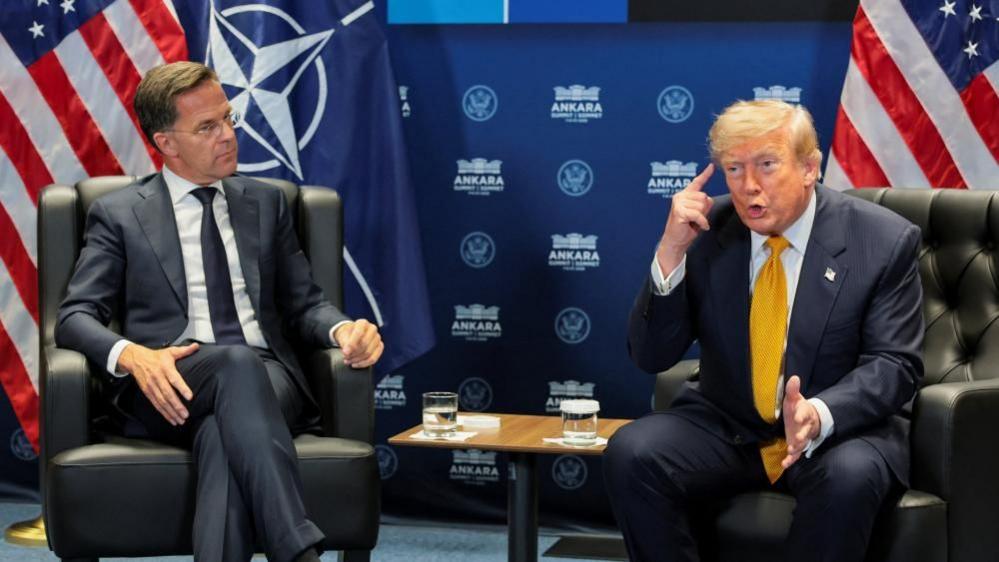
Trump branded Iranian leaders as scum and declared the ceasefire was over. During a briefing before a NATO summit in Turkey, the former president said the US‑Iran ceasefire agreement had lost its relevance and that negotiations would be "a waste of time". He dismissed Iran’s leadership as "sick, vicious, violent" and called them "cuckoo".
The comments followed a fresh exchange of fire that broke out late Tuesday into Wednesday. Three oil tankers were attacked in the Strait of Hormuz, prompting the US Central Command to launch "powerful" strikes. In retaliation, Iran struck US‑military sites in Bahrain and Kuwait and revoked its temporary suspension of sanctions on Iranian oil sales.
Oil markets reacted swiftly, with Brent crude rising about 6% after Trump’s statement. Prices remained far below the highs seen when the strait was fully closed during earlier flare‑ups.
Iran’s parliamentary speaker, Mohammad Bagher Ghalibaf, accused the US of violating a Memorandum of Understanding that ended the stratum of hostilities in June. He called the current crisis a sign that "the era of bullying and extortion is over" and urged Iranian lawmakers to resist coercion.
With talks paused amid funeral ceremonies for the late Supreme Leader Ayatollah Ali Khamenei, Trump offered no willingness to resume negotiations, deeming them pointless. He left the door open for US negotiators "to keep talking if they want", but privately stated he saw no value in it.
As tensions rise, the international community remains wary of another potential maritime disruption, underlining the fragile nature of oil supply routes through the Middle East.