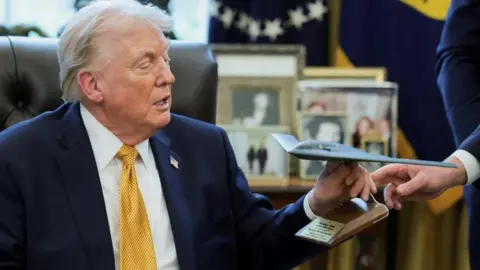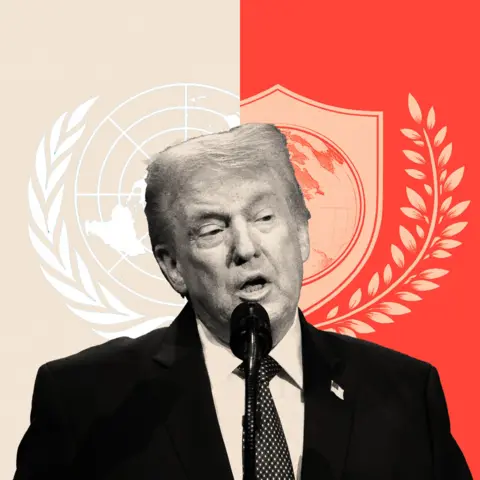
Together we are in a position to… end decades of suffering, stop generations of hatred and bloodshed, and forge a beautiful, everlasting and glorious peace for that region and for the whole region of the world, declared President Donald Trump during the launch of his Board of Peace at the Davos Economic Forum.
This declaration has raised eyebrows globally, leading many to ponder whether this initiative will push the United Nations aside. Critics warn that Trump's intentions reflect a desire to dismantle the current international order in favor of structures dominated by him.
Poland’s Prime Minister Donald Tusk expressed skepticism, cautioning against falling prey to Trump’s ambitions on social media. The proposed Board, aimed at addressing global conflicts, particularly in the Middle East, raises important questions about its structure, with Trump reportedly serving as its permanent chairman.
The Board comes with significant influence: it can invite member states and appoint successors, further consolidating Trump’s power. Some nations are wary about the high costs of membership, while others express doubts about Trump's leadership in peacebuilding efforts.
Despite enthusiastic backing from allies like Hungary’s Viktor Orban, the initiative risks alienation. For instance, the UK’s Foreign Secretary voiced concerns about Trump's relationships with contentious figures like Vladimir Putin.
While Trump's initiative is ambitious, it highlights growing dissatisfaction with the UN’s effectiveness in global diplomacy, particularly amid stalled peace processes. Observers note that this endeavor could signal a turning point in international relations, necessitating a reevaluation of the UN's role and effectiveness.
As the situation unfolds, many world leaders remain cautious, recognizing the potential risks posed by Trump's pivot toward unilateralism in global governance.