In brief
Tyson Foods has announced it will close its beef plant in Lexington, Nebraska, which employs 3,200 people in a town of 11,000. This decision is expected to ripple through the local economy, impacting ranchers and consumers alike. Although immediate grocery prices may not change significantly due to current cattle supplies, the long-term outlook suggests rising beef prices tied to reduced processing capacity and increasing imports from countries like Brazil. Local leaders express deep concern over job security and community stability as the economy heavily relies on Tyson's operations.
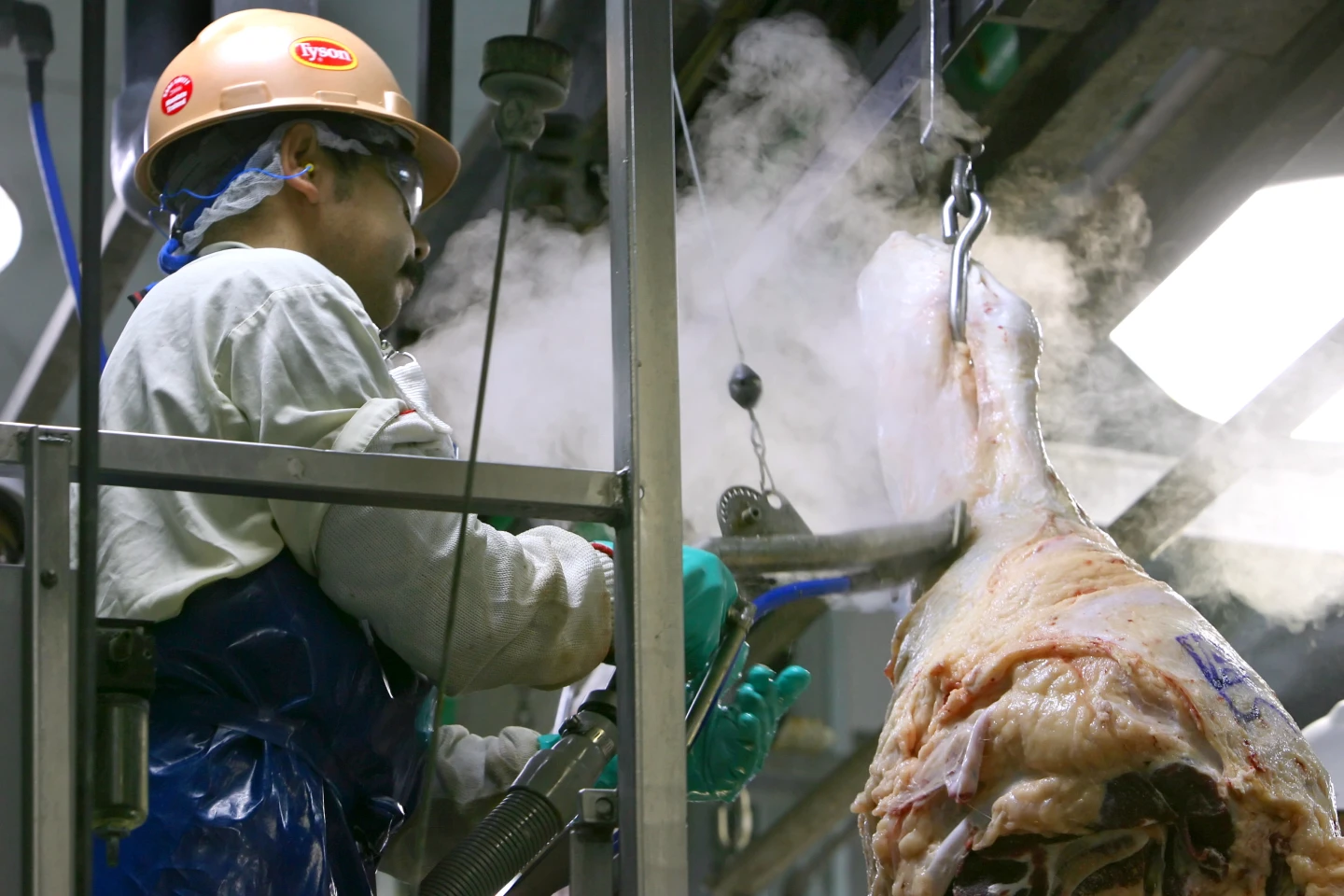
OMAHA, Neb. (AP) — Tyson Foods’ recent decision to shut down its beef plant in Lexington, Nebraska, threatens to devastate the local community and disrupt ranchers nationwide.
The Lexington facility employs nearly one third of the town’s residents, totaling around 3,200 jobs in the city of 11,000 and has the capacity to process up to 5,000 cattle daily. Alongside closing this plant, Tyson is also cutting shifts at its Amarillo, Texas plant, impacting an additional 1,700 jobs. These closures could lead to a reduction in beef processing capacity nationwide by 7-9%.
While consumers may not see immediate changes at grocery stores, experts warn that beef prices could rise even higher due to complexities in supply and demand, driven by factors including drought and tariffs.
Clay Patton of the Lexington Chamber of Commerce described the closure as a “gut punch” to the community, severely affecting local businesses and new developments that rely on the plant's presence. Tyson is offering relocation options for affected workers, but many face the daunting prospect of moving far from home.
As the market adjusts, ranchers express concerns over falling cattle prices in response to decreased demand. The increased import of beef from Brazil, encouraged by recent tariff reductions, adds to uncertainty in the market.
Tyson is dealing with significant losses in its beef segment, having lost over $600 million this year alone. Analysts suggest the closure is inevitable under current economic pressures and that remaining plants may soon operate at higher efficiency.
Ultimately, this closure paints a concerning picture for communities like Lexington and the broader cattle industry amid ongoing economic challenges.