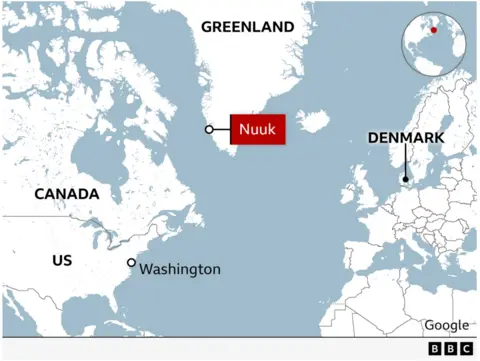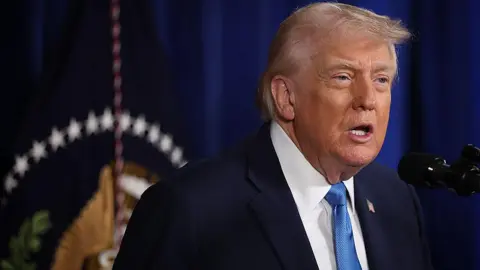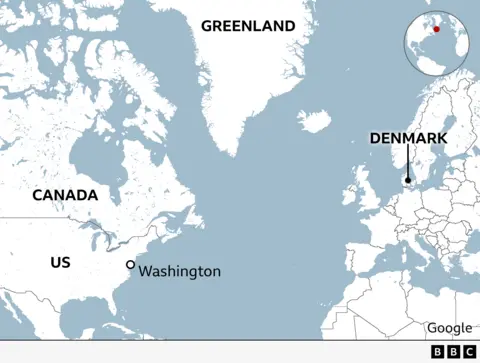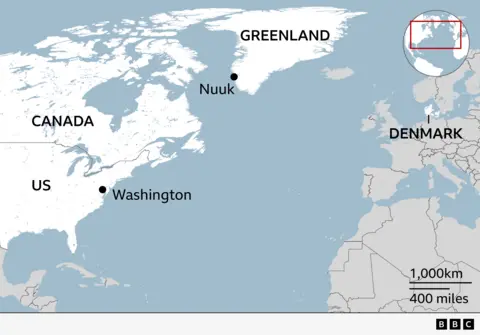
The White House has disclosed that President Donald Trump is exploring a range of options to acquire Greenland, including possible military actions, citing national security concerns.
During the discussions, Trump reiterated the need for the US to control the semi-autonomous region of Denmark, provoking immediate backlash from Danish Prime Minister Mette Frederiksen, who warned that any aggression would threaten NATO's unity.
The announcement follows a joint statement from several European leaders, affirming their support for Denmark and emphasizing that Greenland belongs to its people, and pledging that only Denmark and Greenland can determine their future relations.
The controversy has intensified as Trump previously mentioned acquiring Greenland during his first presidential term, eyeing it as a potential strategic hub in the Arctic.
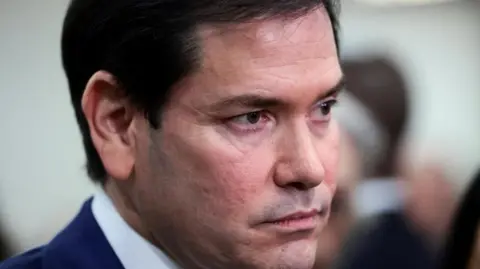
The US Secretary of State has clarified that while military options exist, the administration prefers to seek amicable commercial relationships that also benefit Greenland's residents.
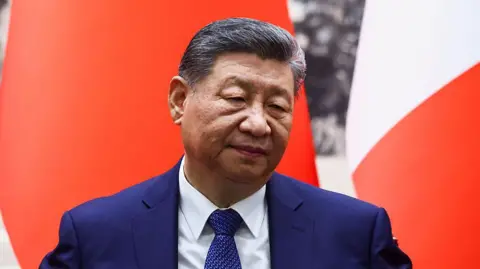
Despite Denmark's strong resistance, Trump’s senior aides continue to advocate for American interests in the region, citing growing competition from Russia and China.
Meanwhile, Greenland's local leaders have pushed for constructive dialogue, emphasizing their right to self-determination rooted in international law.
This ongoing situation raises questions about the future of Greenland, with most islanders opposed to US annexation despite the strategic benefits cited by the US administration.
As the debate unfolds, the global response indicates a complex interplay of interests involving security, sovereignty, and respect for territorial integrity.