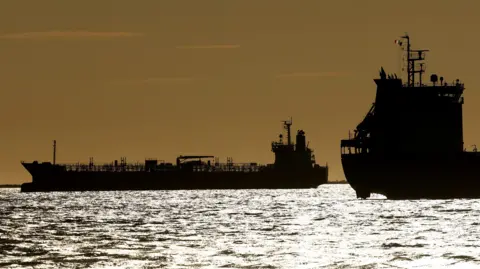
On Friday, the U.S. Southern Command announced that it attacked a boat in the eastern Pacific during efforts to combat drug trafficking as part of the Trump administration's strategy. The incident reportedly resulted in three survivors, and while the Coast Guard has been alerted for possible rescue, details on casualties remain unclear. This is not an isolated event, with at least 157 reported deaths linked to these military operations aimed at what the administration refers to as 'narcoterrorists.' While President Trump claims these attacks help reduce the influx of drugs into the U.S., critics argue the strikes may not be effective given that a significant amount of harmful substances like fentanyl generally enter the country over land. Evidence supporting the justification for these airstrikes has been scant, raising concerns over the legality and ultimate success of such military interventions.
U.S. Military Strikes Alleged Drug Vessel in Eastern Pacific
In a recent operation, the U.S. military targeted a vessel suspected of smuggling drugs in the Eastern Pacific, resulting in three survivors and ongoing debate about the legality and effectiveness of such strikes.
The U.S. military conducted an airstrike on a vessel believed to be involved in drug smuggling, leaving three people alive. The strike is a part of an ongoing campaign against drug traffickers initiated during the Trump administration. However, critics are questioning the legality and effectiveness of these military actions, especially since much of the fentanyl in the U.S. enters through land routes from Mexico, rather than the sea. The military has not provided conclusive evidence of drug trafficking in this case.