In brief
The hit series 'Fallout' on Prime Video has returned for its second season, showcasing a post-apocalyptic world and capturing the hearts of both fans and newcomers. With its success, developers from Bethesda Gaming are discussing the importance of authenticity and how the show's narratives may influence future game installments. A shift in the approach to video game adaptations is evident, especially in light of the show's reception compared to prior adaptations that often missed the mark.
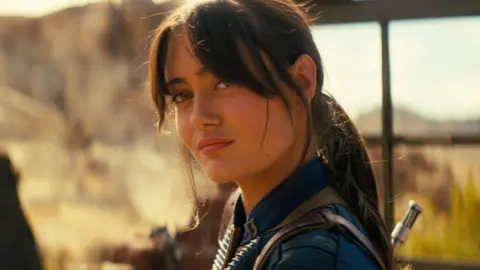
The second season of Fallout - Prime Video's mega-hit based on the popular video game series - has landed.
Set in a post-apocalyptic future where Earth has been ravaged by nuclear war, the first series was a commercial and critical hit, impressing long-time fans and viewers who'd never played before.
Its surprising success had a huge impact on Bethesda Softworks, the developer of its source material, bringing back lapsed players and creating new ones along the way.
Key creatives from the company have told BBC Newsbeat about working with the show's producers, and what the success of the programme means for the future of the games.
The first season of Fallout arrived at a turning point for Hollywood video game adaptations.
Often far-removed from their source material, adaptations had gained a reputation as low-quality cash grabs. But then The Last of Us came along, impressing both fans of the games and those new to the franchise.
While The Last of Us followed a linear story, Fallout's freeform world presents unique challenges for its adaptation. Todd Howard from Bethesda recounts discussions about the adaptation dating back to 2009, establishing a close working relationship with producers to ensure authenticity.
Creating a TV show that's 'canon' to the games was crucial, guided by Bethesda's team members to ensure continuity across mediums.
Moreover, the show's popularity revived interest in the games, particularly Fallout 76, leading to increased player count and making adaptations not just a creative endeavor but a strategic business one.
As viewers become invested in the TV show, game developers feel compelled to consider their feedback and interests moving forward.
With Fallout 5 on the horizon, the intersection between the show and future game storylines highlights the ongoing evolution of video game adaptations.