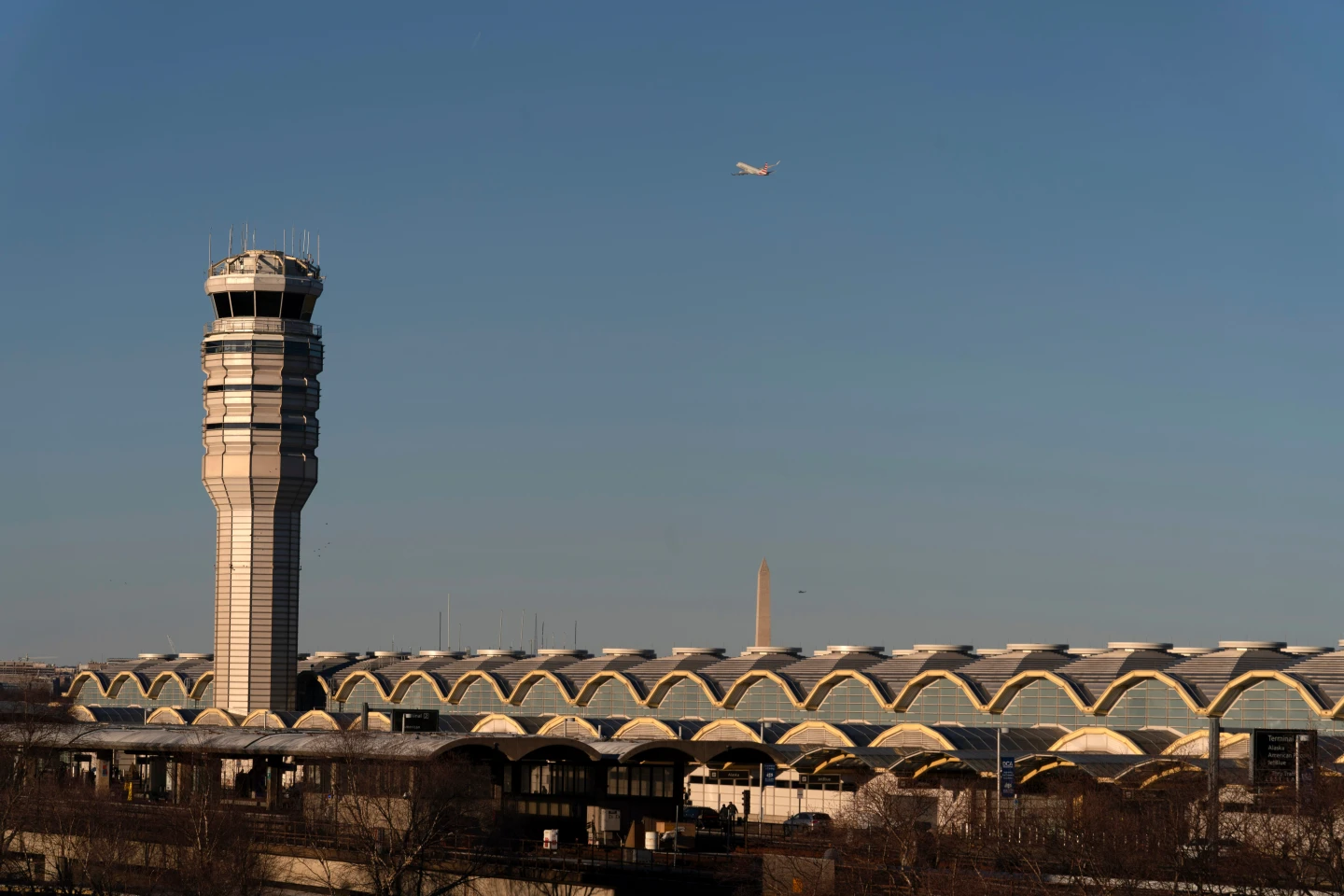
A daylong hearing on Tuesday should make clear what factors played the biggest role in causing last January’s midair collision near Washington, D.C., that killed 67 people. Everyone aboard an American Airlines jet flying from Wichita, Kansas, and an Army Black Hawk helicopter died when the two aircraft ran into each other and plummeted into the icy Potomac River. The Federal Aviation Administration made several changes soon after the crash to ensure that helicopters and planes no longer share the same crowded airspace around the nation’s capital, while the NTSB aims to recommend further actions. Rachel Feres, who lost family members in the crash, expressed hope for meaningful changes to prevent such tragedies from occurring in the future.
Unraveling the Tragedy: D.C. Midair Collision Investigation
Unraveling the Tragedy: D.C. Midair Collision Investigation
A key hearing is set to shed light on the factors leading to the deadly midair collision in Washington D.C. that claimed 67 lives, with recommendations aimed at preventing future tragedies.
On January 29, 2025, a midair collision between an American Airlines jet and an Army Black Hawk helicopter resulted in the loss of 67 lives, marking it as the deadliest U.S. plane crash since 2001. A hearing by the National Transportation Safety Board (NTSB) seeks to clarify the causes of the incident and develop recommendations to enhance aviation safety. The NTSB's findings include issues with helicopter flight paths, inadequate FAA oversight, and operational decisions by the Army. The hearing is seen as crucial for the victims' families, who are calling for urgent changes to ensure safety in the skies.