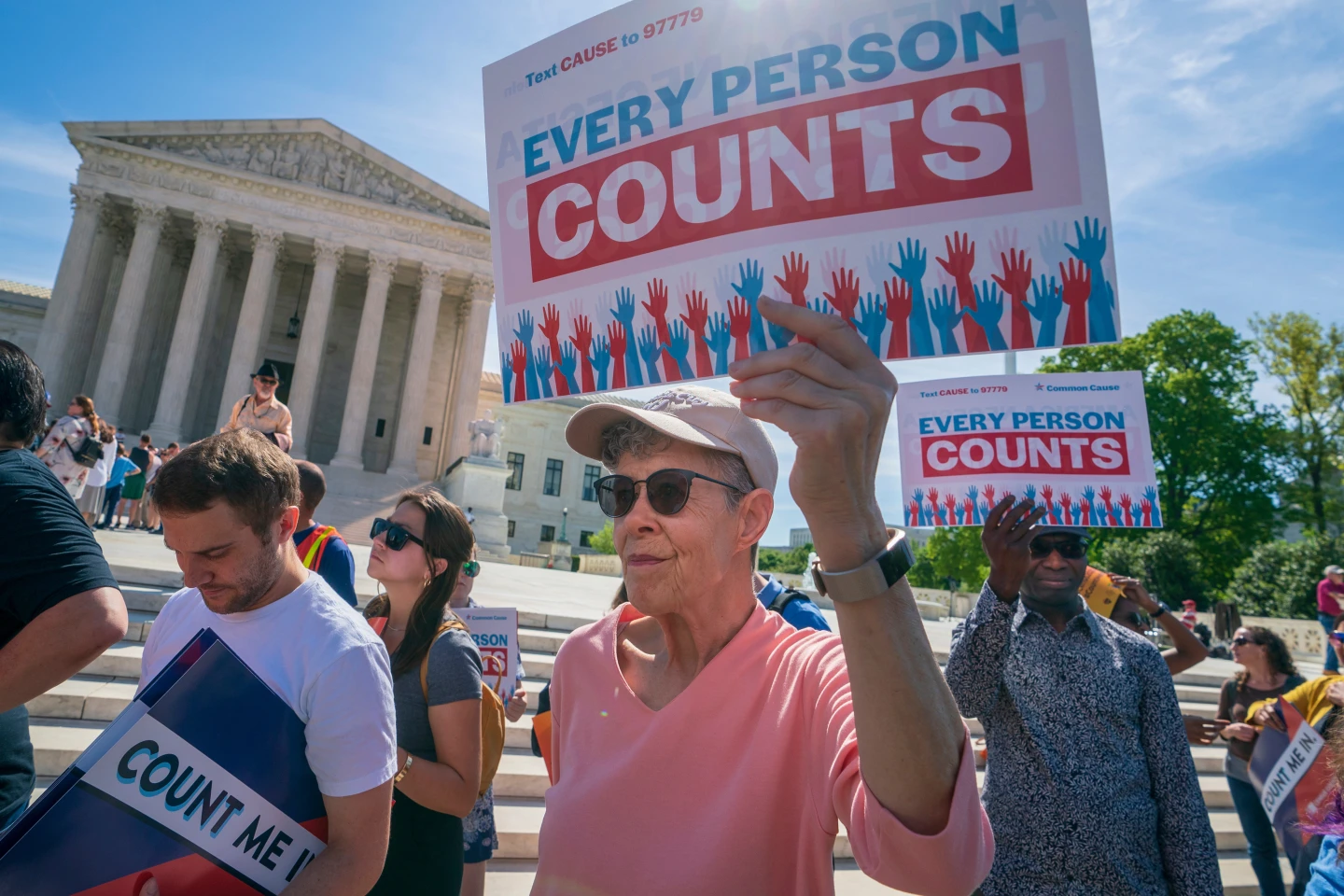
ORLANDO, Fla. — The next U.S. census isn’t scheduled until 2030, but legal battles are brewing that might alter how we count and who gets included. Allies of former President Trump are pushing lawsuits in Florida and Louisiana, contesting how the Census Bureau conducts its count and how it protects privacy.
The Florida lawsuit, led by America First Legal, claims current methods could lead to unequal representation by revising 2020 census figures and impacting privacy methods. Meanwhile, the Louisiana case seeks to exclude undocumented immigrants from the population count used for redistricting congressional districts.
As these legal matters unfold, the Census Bureau continues planning for the 2030 census, preparing practice runs this year. Despite concerns about the Justice Department's defense of the Census Bureau, officials are still focused on moving forward with the count.
The implications of these lawsuits extend beyond just numbers; they could redefine representation and the distribution of federal resources across the states, raising questions about fairness in democratic processes.
The Florida lawsuit, led by America First Legal, claims current methods could lead to unequal representation by revising 2020 census figures and impacting privacy methods. Meanwhile, the Louisiana case seeks to exclude undocumented immigrants from the population count used for redistricting congressional districts.
As these legal matters unfold, the Census Bureau continues planning for the 2030 census, preparing practice runs this year. Despite concerns about the Justice Department's defense of the Census Bureau, officials are still focused on moving forward with the count.
The implications of these lawsuits extend beyond just numbers; they could redefine representation and the distribution of federal resources across the states, raising questions about fairness in democratic processes.