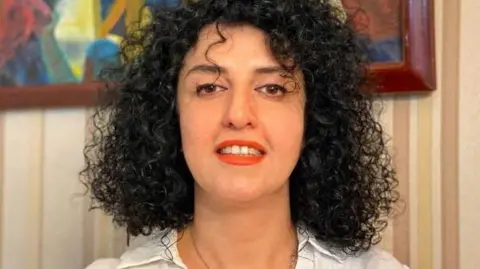
The brother of Iranian Nobel Peace Prize winner Narges Mohammadi says he fears her life is in imminent danger after she suffered a suspected heart attack in prison in north-western Iran. Hamidreza Mohammadi, who is based in Norway, told the BBC that the 53-year-old human rights activist was found unconscious in her bed by fellow inmates at Zanjan Prison last week. She was taken to the prison infirmary but officials refused to transfer her to a hospital despite her history of heart and lung problems, he said. She also suffers from severe blood pressure fluctuations.
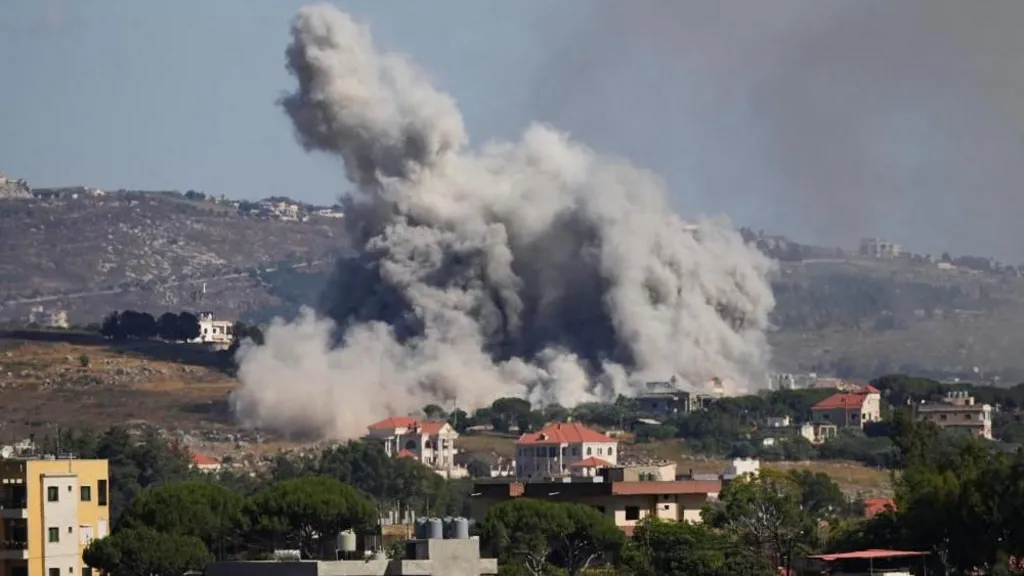
He demanded that she be released immediately for a thorough medical examination. He also warned that strikes and explosions near the prison since the start of the US-Israeli war with Iran a month ago had only added to her stress. This war has had a terrible effect on prisoners in Iran. If the prison gets hit, if the prisoners need immediate medical attention, they will not get anything and their lives are in danger, he told the BBC's Newsday programme. It's been really difficult for her family... Her children have gone through a lot. Now they experience very uncertain time when they don't know even if in the future there will be any peace or if their mother is going to live or die, he added.
Narges Mohammadi, the vice-president of the Defenders of Human Rights Center in Iran, was awarded the 2023 Nobel Peace Prize for her activism against female oppression in Iran and promoting human rights. She has spent more than a decade of her life in prison. In 2021, she began serving a 13-year sentence on charges of committing propaganda activity against the state and collusion against state security, which she denied. In December 2024, she was given a temporary release from Tehran's notorious Evin prison on medical grounds.
She continued campaigning while undergoing treatment and was arrested in the north-eastern city of Mashhad last December after giving a speech at the memorial ceremony of a fellow human rights activist. Her family said she was taken to hospital after being beaten on the head and neck during the arrest. A few weeks later protests against Iran's clerical establishment swept across the country. At least 6,508 protesters were killed and 53,000 others arrested in an unprecedented crackdown by security forces on the unrest, according to the US-based Human Rights Activists News Agency (HRANA).
In early February, Mohammadi was sentenced by a Revolutionary Court in Mashhad to an additional seven and a half years in prison after being convicted of gathering and collusion and propaganda activities, her lawyer said. She was transferred without warning the following week to Zanjan prison and has been allowed only limited communication with her family since then. Last Sunday, her legal team and one family member were allowed to visit her in prison under heightened surveillance.
The Free Narges Coalition said in a statement on Tuesday that her general health was extremely poor, and she appeared pale and weak with significant weight loss when brought to the visitation room by a prison nurse. It then cited Mohammadi's cellmates as saying that on 24 March she was found unconscious in her bed, with her eyes rolled back, and that this lasted more than an hour. She was carried to the prison infirmary by fellow inmates, where medication was administered to restore her consciousness.
Despite this medical emergency, and evident indications of a heart attack, authorities refused to transfer Mohammadi to a hospital or allow her to visit a specialist, the statement added. Mohammadi also reported that she had suffered debilitating headaches, nausea, double vision since her violent arrest, and that bruises were still visible on her body, according to the coalition. Hamidreza Mohammadi emphasized that under Iranian law during wartime, authorities must guarantee the safety of prisoners, asserting that they should be released until the war ends, especially those who are not deemed dangerous to society. Not only have they not done this, but they have denied all the political prisoners any medical attention, claiming it is wartime. Our demand is that she be immediately released for a thorough medical examination. We know her medical history, we know that she has heart problems and pulmonary problems. She must be in a hospital.\
He demanded that she be released immediately for a thorough medical examination. He also warned that strikes and explosions near the prison since the start of the US-Israeli war with Iran a month ago had only added to her stress. This war has had a terrible effect on prisoners in Iran. If the prison gets hit, if the prisoners need immediate medical attention, they will not get anything and their lives are in danger, he told the BBC's Newsday programme. It's been really difficult for her family... Her children have gone through a lot. Now they experience very uncertain time when they don't know even if in the future there will be any peace or if their mother is going to live or die, he added.
Narges Mohammadi, the vice-president of the Defenders of Human Rights Center in Iran, was awarded the 2023 Nobel Peace Prize for her activism against female oppression in Iran and promoting human rights. She has spent more than a decade of her life in prison. In 2021, she began serving a 13-year sentence on charges of committing propaganda activity against the state and collusion against state security, which she denied. In December 2024, she was given a temporary release from Tehran's notorious Evin prison on medical grounds.
She continued campaigning while undergoing treatment and was arrested in the north-eastern city of Mashhad last December after giving a speech at the memorial ceremony of a fellow human rights activist. Her family said she was taken to hospital after being beaten on the head and neck during the arrest. A few weeks later protests against Iran's clerical establishment swept across the country. At least 6,508 protesters were killed and 53,000 others arrested in an unprecedented crackdown by security forces on the unrest, according to the US-based Human Rights Activists News Agency (HRANA).
In early February, Mohammadi was sentenced by a Revolutionary Court in Mashhad to an additional seven and a half years in prison after being convicted of gathering and collusion and propaganda activities, her lawyer said. She was transferred without warning the following week to Zanjan prison and has been allowed only limited communication with her family since then. Last Sunday, her legal team and one family member were allowed to visit her in prison under heightened surveillance.
The Free Narges Coalition said in a statement on Tuesday that her general health was extremely poor, and she appeared pale and weak with significant weight loss when brought to the visitation room by a prison nurse. It then cited Mohammadi's cellmates as saying that on 24 March she was found unconscious in her bed, with her eyes rolled back, and that this lasted more than an hour. She was carried to the prison infirmary by fellow inmates, where medication was administered to restore her consciousness.
Despite this medical emergency, and evident indications of a heart attack, authorities refused to transfer Mohammadi to a hospital or allow her to visit a specialist, the statement added. Mohammadi also reported that she had suffered debilitating headaches, nausea, double vision since her violent arrest, and that bruises were still visible on her body, according to the coalition. Hamidreza Mohammadi emphasized that under Iranian law during wartime, authorities must guarantee the safety of prisoners, asserting that they should be released until the war ends, especially those who are not deemed dangerous to society. Not only have they not done this, but they have denied all the political prisoners any medical attention, claiming it is wartime. Our demand is that she be immediately released for a thorough medical examination. We know her medical history, we know that she has heart problems and pulmonary problems. She must be in a hospital.\