In brief
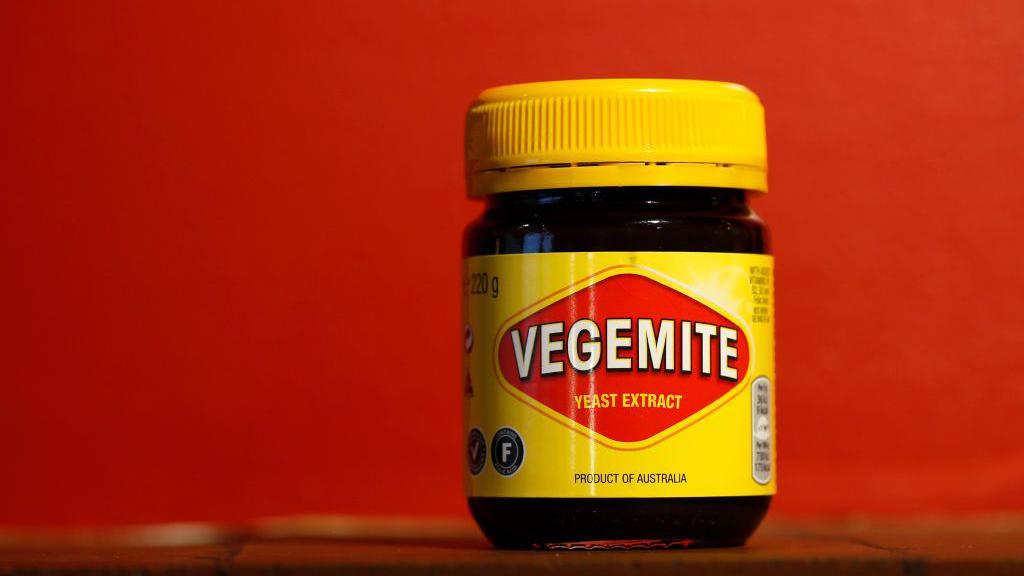
In Victoria a life‑sentenced prisoner fought to bring back the iconic Vegemite spread, claiming it was part of his cultural identity. A Supreme Court judge sided with authorities, saying the ban was justified to prevent the spread from being used to hide contraband. The case highlights tensions between inmate welfare and prison security rules, as Vegemite is banned across several Australian states. Other media stories have linked Vegemite’s global reputation to recent disputes, including a Canadian cafe that had to remove the spread. The outcome may influence future discussions around prisoners’ rights to culturally significant food.
Vegemite in a cell – A life‑sentenced murderer in Victoria challenged the ban on the famous salty scoop that Australians call a breakfast staple. He said the jar was part of his culture, but the Supreme Court ruled the restriction was needed to keep drugs and contraband out of prison walls.
The court cited how the strong smell of Vegemite can mask scent alerts for sniffer dogs and how inmates could blend the paste with alcohol or other harmful substances. The ban, in force since 2006, also applies in New South Wales, Queensland, South Australia and Tasmania.
The decision has sparked debate online, with many young readers asking whether cultural food rights matter behind bars. Some support the court’s priority of safety, while others view it as an unnecessary restriction on basic Australian identity.
Vegemite has been a topic of global headlines lately, from a Canadian cafe that almost lost the spread for violating local food rules to the Australian Prime Minister’s comments on the product’s “rubbish” rival, Marmite.
Will the ban lift in the future? What steps can prisoners take to secure culturally meaningful food? Leave your thoughts below and join our quick quiz to test your knowledge of Vegemite on the next snap.