In brief
As the war in the Middle East intensifies, the Iranian American diaspora faces significant challenges in conveying the true sentiments of those in Iran due to state-imposed internet blackouts. Creators like Ariana Afshar are emerging as crucial voices, attempting to bridge gaps in communication and offer diverse perspectives on the conflict. With online searches about the war surging, these influencers are addressing misinformation and providing insights based on their cultural connections. However, the disparity in viewpoints between those living in Iran and the diaspora highlights the complexities involved in discussing sensitive issues of war and politics.
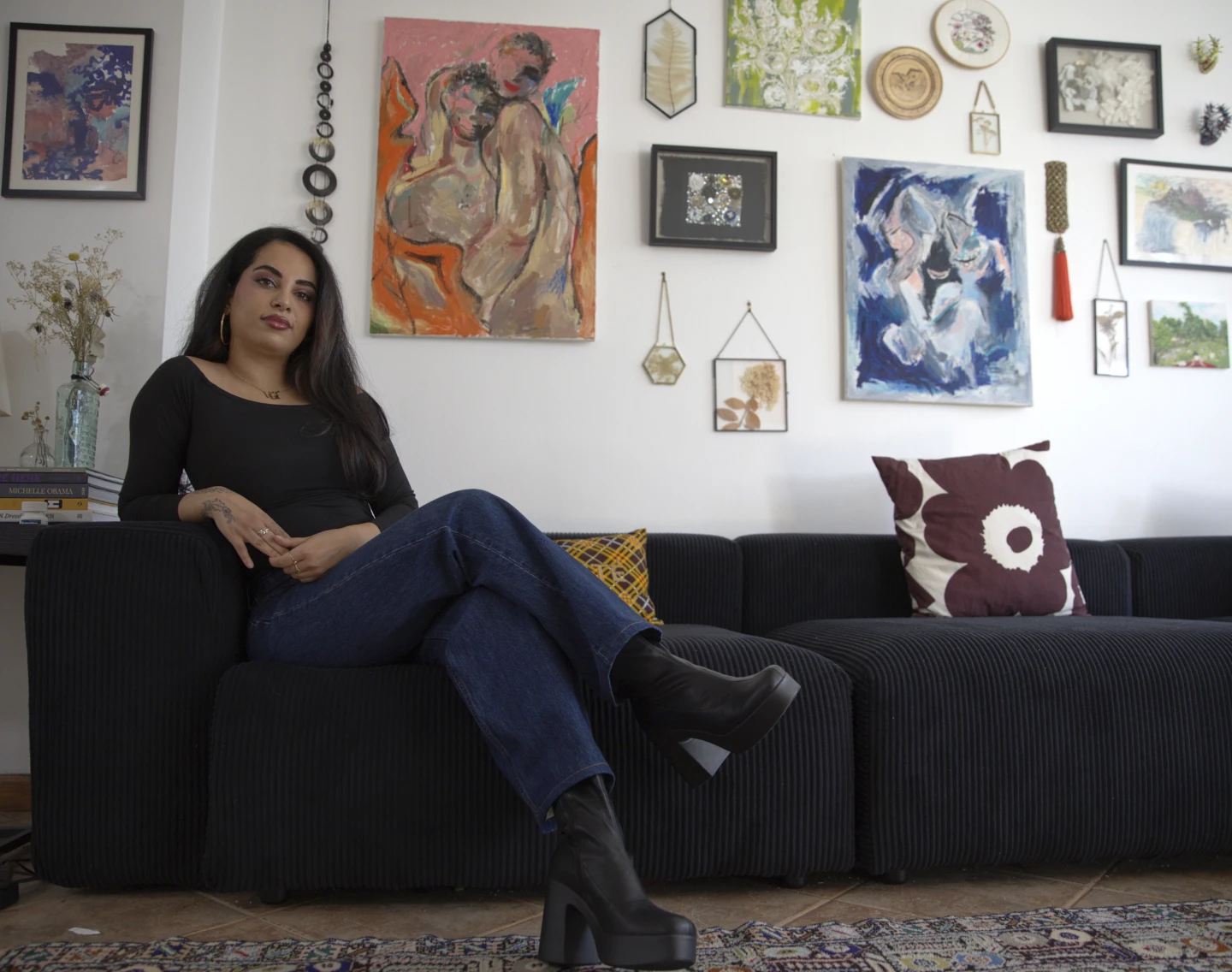
NEW YORK (AP) — In the wake of the ongoing war in the Middle East, Iranian American Ariana Afshar has been making waves on social media, trying to articulate the sentiments of those impacted in Iran. However, a government-imposed internet blackout in Tehran has made it exceedingly challenging to access reliable perspectives from inside the country, leaving Afshar to rely largely on her connections as she expresses her views.
Despite these obstacles, Afshar and other Iranian American influencers are seizing their platforms to explain Iran's intricate history and the conflicting emotions of its citizens through engaging videos. This comes at a time when demand for information relating to the conflict in the U.S. has skyrocketed, with Google searches for why are we at war with Iran increasing by 3,000% as conflict intensified.
While many creators seek to amplify the voices of their Iranian counterparts, some critics argue that this can lead to heightened rifts within the diaspora. Afshar herself acknowledges the difficulties of speaking for Iranians who face dire consequences for voicing dissent.
Moreover, the disconnection between the emotional discourse among diaspora individuals and the stark reality faced by those in Iran underscores the urgency to provide authentic narratives. As misinformation continues to proliferate online, these creators are striving to combat falsehoods while fostering a sense of solidarity among their audiences.
In summary, the discussions surrounding the war not only highlight the differences in perspectives but also reflect the complex realities faced by the Iranian diaspora as they navigate their identities amidst global conflict.