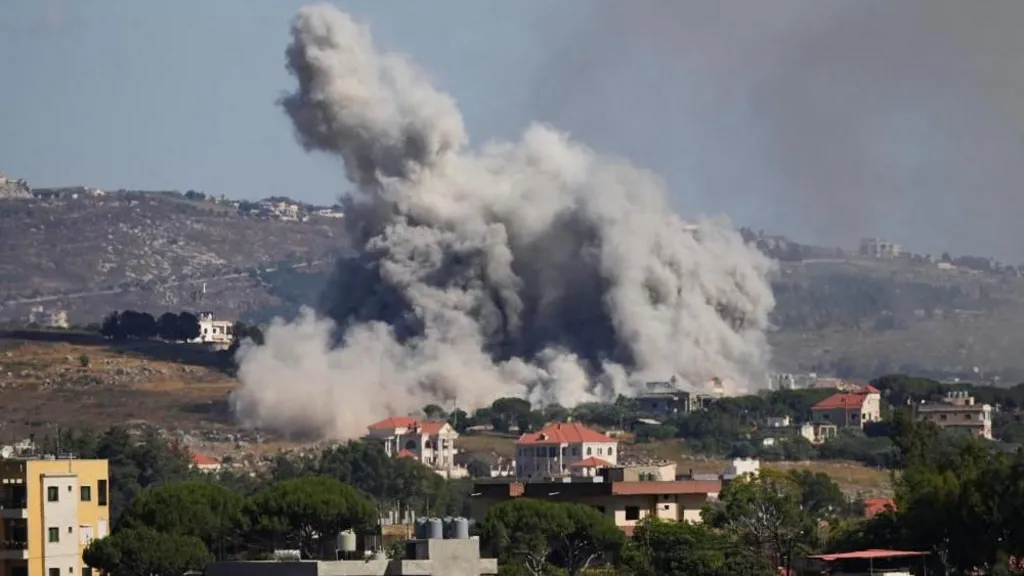
The military confrontation between Iran and the U.S. and Israel has exposed central contradictions in global power dynamics. Despite being declared in a precarious state, Iran's regime appears steadfast in its survival tactics. While U.S. President Trump's claims of victory may signal a turning point, the reality on the ground illustrates a system that not only survives but draws resilience from its ongoing adversities.
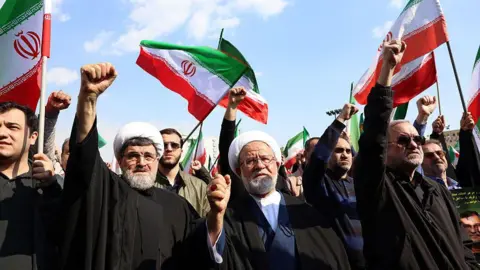
The Iranian leadership, facing external military pressures, remains committed to its power structure. High-profile assassinations of its top officials have not dismantled the regime's foundations; on the contrary, they have often led to a more hardened response from those who take their place. The essential figures in power continue their roles as if to reinforce that the regime can endure through various crises.
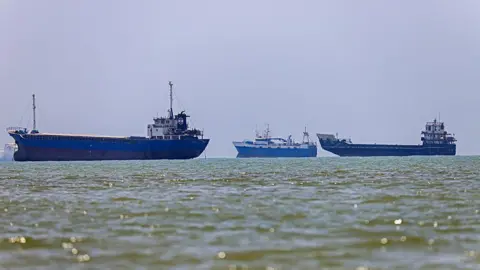
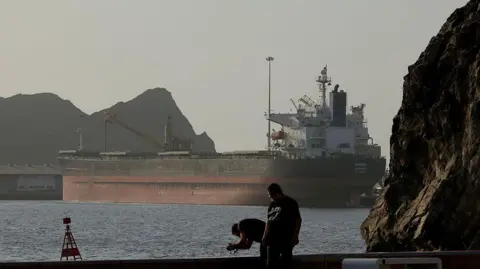
With Iran maintaining its grip over critical strategic routes, such as the Strait of Hormuz, Tehran still occupies a formidable position in regional geopolitics. The concept of survival has transformed for Iran, where merely enduring becomes a form of success against perceived aggressors.
Despite significant external pressures, including military strikes targeting its capabilities, Iranian officials like President Masoud Pezeshkian are hinting at negotiating stances, signalling no fundamental ideological shifts. Iran insists on steadfast demands should it ever arrive at talks about ending the conflict, centering around its regime's survival, deterrent capabilities, and guarantees against future attacks.
As the situation unfolds, the consequences of Iran's endurance may reshape regional expectations; with Arab states now recognizing the complexities of potential outcomes, they monitor the conflict closely, fearing that a decisive victory for either the U.S. or Israel could create new destabilizing dynamics. Ultimately, if the Iranian regime survives the war, the implications for future deterrence and regional power calculations could be profound.
The Iranian leadership, facing external military pressures, remains committed to its power structure. High-profile assassinations of its top officials have not dismantled the regime's foundations; on the contrary, they have often led to a more hardened response from those who take their place. The essential figures in power continue their roles as if to reinforce that the regime can endure through various crises.
With Iran maintaining its grip over critical strategic routes, such as the Strait of Hormuz, Tehran still occupies a formidable position in regional geopolitics. The concept of survival has transformed for Iran, where merely enduring becomes a form of success against perceived aggressors.
Despite significant external pressures, including military strikes targeting its capabilities, Iranian officials like President Masoud Pezeshkian are hinting at negotiating stances, signalling no fundamental ideological shifts. Iran insists on steadfast demands should it ever arrive at talks about ending the conflict, centering around its regime's survival, deterrent capabilities, and guarantees against future attacks.
As the situation unfolds, the consequences of Iran's endurance may reshape regional expectations; with Arab states now recognizing the complexities of potential outcomes, they monitor the conflict closely, fearing that a decisive victory for either the U.S. or Israel could create new destabilizing dynamics. Ultimately, if the Iranian regime survives the war, the implications for future deterrence and regional power calculations could be profound.