What You Need to Know About the New Travel Ban
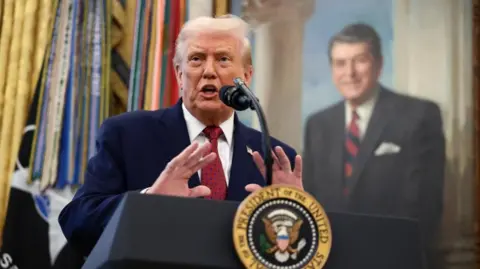
President Donald Trump has expanded a US travel ban, barring nationals of five additional countries and people travelling on Palestinian Authority-issued documents from entering the US. The White House said the restrictions were intended to protect the security of the United States and will come into force on January 1.
Full-entry restrictions will be imposed on people from Burkina Faso, Mali, Niger, South Sudan, and Syria, along with Palestinian Authority passport holders. The administration has also moved Laos and Sierra Leone to the full ban list, which previously faced partial restrictions.
The move comes on the heels of concerns regarding security following an incident involving an Afghan national who allegedly shot two National Guard troops. Trump indicated the expanded travel ban is necessary due to failures in screening and vetting systems overseas, including high visa overstay rates and lack of cooperation in accepting deported nationals.
As with previous travel bans, this decision has sparked discussions and potential legal challenges. Exceptions apply for lawful permanent residents, many visa holders, and athletes.
Countries with Full Restrictions:
- Afghanistan
- Burkina Faso
- Burma
- Chad
- Equatorial Guinea
- Eritrea
- Haiti
- Iran
- Laos
- Libya
- Mali
- Niger
- Republic of the Congo
- Sierra Leone
- Somalia
- South Sudan
- Sudan
- Syria
- Yemen
- Individuals travelling on Palestinian Authority issued or endorsed travel documents are also banned.
Partial Restrictions:
- Angola
- Antigua and Barbuda
- Benin
- Burundi
- Côte d'Ivoire
- Cuba
- Dominica
- Gabon
- The Gambia
- Malawi
- Mauritania
- Nigeria
- Senegal
- Tanzania
- Togo
- Tonga
- Venezuela
- Zambia
- Zimbabwe
Special Case:
- Turkmenistan: Restrictions remain for immigrants but have been lifted for non-immigrant visas.