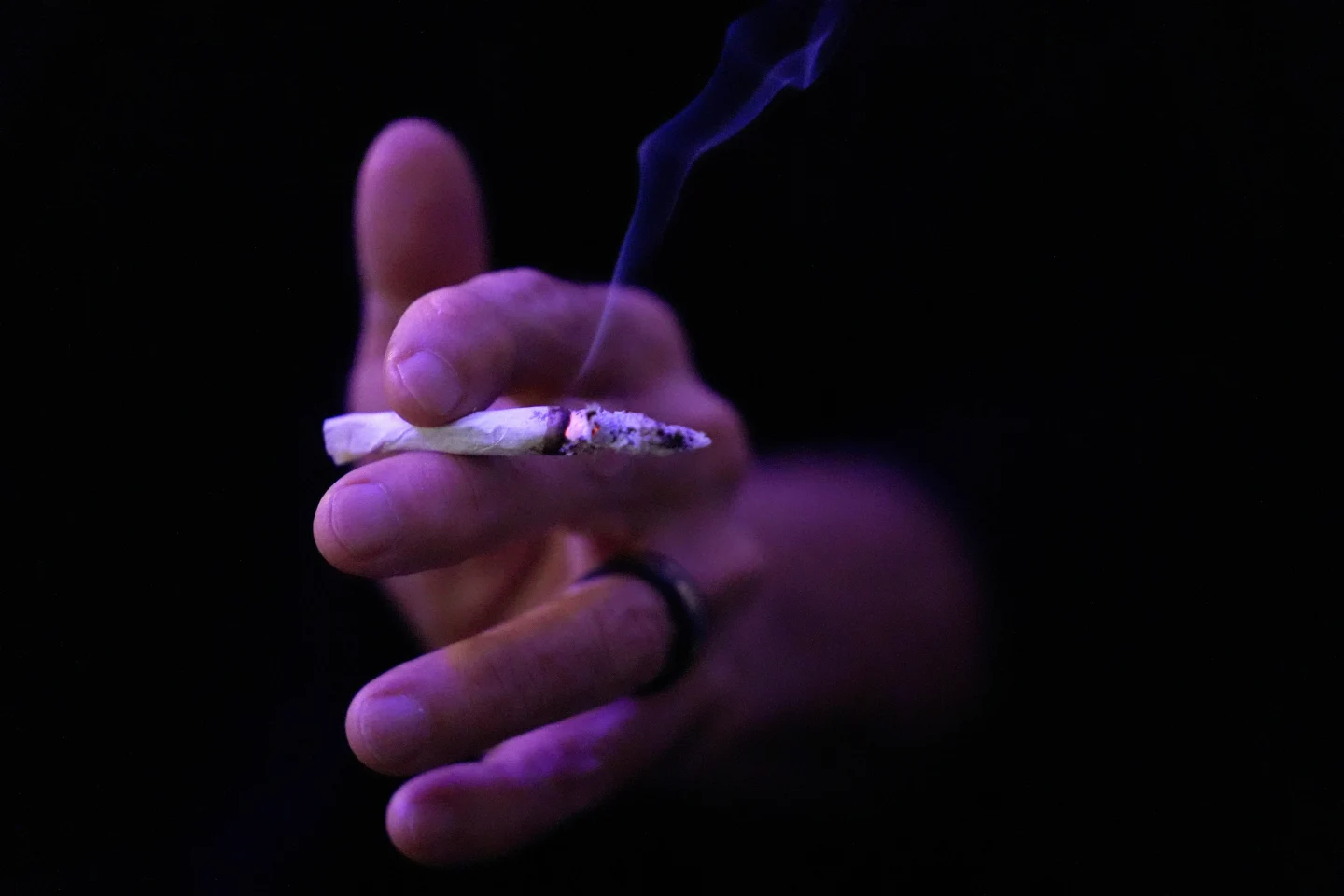
Thailand’s cannabis market is experiencing a massive overhaul as the government steps in with new regulations aimed at controlling the booming industry. Since cannabis was decriminalized in 2022, the country has seen an explosion of around 11,000 dispensaries, with an increasing amount of marijuana being smuggled into countries like the UK. The rise in incidents of young travelers unwittingly caught in drug syndicates illustrates the urgent need for control.
The government’s public health minister has announced plans to restrict cannabis use solely to those with medical prescriptions, with hopes of restoring some form of regulation. There’s considerable pressure from the UK, where Thai marijuana smuggling has intensified alarmingly. Recent UK reports reveal a staggering increase in the number of couriers intercepted. Last year alone, the National Crime Agency intercepted 800 people attempting to bring in large quantities of cannabis.
Despite previous discussions on regulating cannabis, significant obstacles remain, especially from political entities invested in the cannabis market. Evidently, the growing involvement of foreign drug syndicates and the lax current penalties in Thailand have exacerbated the smuggling crisis. While special interests block impending regulations, small-scale farmers are also expressing concern over increased competition as wholesale prices plummet due to overproduction.
Discontent is mounting among smaller growers, who argue that the proposed regulations will hurt local businesses rather than solve the rampant smuggling issue. A collective voice has emerged, urging the government to better enforce existing laws rather than resorting to knee-jerk policy changes. As Thai customs ramp up efforts to track smugglers, the industry remains cornered between unregulated growth and the need for a more coherent regulatory framework.
The government’s public health minister has announced plans to restrict cannabis use solely to those with medical prescriptions, with hopes of restoring some form of regulation. There’s considerable pressure from the UK, where Thai marijuana smuggling has intensified alarmingly. Recent UK reports reveal a staggering increase in the number of couriers intercepted. Last year alone, the National Crime Agency intercepted 800 people attempting to bring in large quantities of cannabis.
Despite previous discussions on regulating cannabis, significant obstacles remain, especially from political entities invested in the cannabis market. Evidently, the growing involvement of foreign drug syndicates and the lax current penalties in Thailand have exacerbated the smuggling crisis. While special interests block impending regulations, small-scale farmers are also expressing concern over increased competition as wholesale prices plummet due to overproduction.
Discontent is mounting among smaller growers, who argue that the proposed regulations will hurt local businesses rather than solve the rampant smuggling issue. A collective voice has emerged, urging the government to better enforce existing laws rather than resorting to knee-jerk policy changes. As Thai customs ramp up efforts to track smugglers, the industry remains cornered between unregulated growth and the need for a more coherent regulatory framework.