In brief
As the country faces challenges to its Catholic traditions, Cardinal David advocates for the underserved while navigating political pressures, marking a pivotal moment in the Church's history.
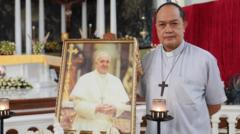
Cardinal Pablo Virgilio David, appointed by Pope Francis, is now preparing to participate in the papal conclave, an unexpected honor that has left him both humbled and inspired. Speaking from his Manila cathedral, Cardinal David reflects on his journey from a little diocese to one of the three Filipino cardinals tasked with selecting the next pope. His elevation, which surprised many, underscores Pope Francis's vision of a Church connected to the people, particularly in a nation where nearly 80% of the population identifies as Catholic.Despite being a relatively new cardinal, David has already become a beacon for the marginalized, especially amid the oppressive drug war exacerbated by former President Rodrigo Duterte. He campaigns actively for justice and protection of those victimized by state-sanctioned violence, like Kian Delos Santos, whose murder by police has become a rallying point for advocates of human rights. Despite facing threats and accusations, David boldly criticized the drug war, positioning the Church as a moral counterweight to prevailing injustices.Filipino Catholicism faces unique challenges—from rising popularity of non-Catholic faiths to pressing sociopolitical issues like divorce and reproductive rights. The Church, long a powerful force in Philippines, is now confronted with diminished sway over the public, especially among the youth. Yet David maintains that the Church's role should be one of moral leadership rather than political control, advocating for a complementary relationship with governance rather than opposition.As he prepares to vote in the conclave, his commitment to social justice and outreach to marginalized communities reflects a critical evolution in the role of the Catholic Church in the Philippines. David's mission, embodying the spirit of Pope Francis, urges the Church to remain connected to its roots and responsive to its congregants' needs while navigating the complex socio-political landscape of modern society. Through humility and a willingness to adapt, the Church can begin to regain its credibility and relevance in an ever-changing world.