In brief
Governor Spencer Cox of Utah expressed his concern over the escalating violence in America, stating that 'our nation is broken.' His remarks come in the wake of public tragedies involving political figures and reflect a deep sense of division across the country. While many Americans yearn for unity, the challenges of blame and division complicate the path forward. In the aftermath of the violent death of political figure Charlie Kirk, reactions from both sides of the aisle reveal a societal struggle to address and heal from political unrest.
Utah's Governor Spencer Cox struggled to articulate the feeling many share: 'What is happening in America?'
After a long pause, he stated, 'Our nation is broken,' following the tragic killing of public figure Charlie Kirk. This incident highlights a disturbing trend of political violence affecting both sides of the aisle, including attacks on lawmakers and even threats against former President Trump.
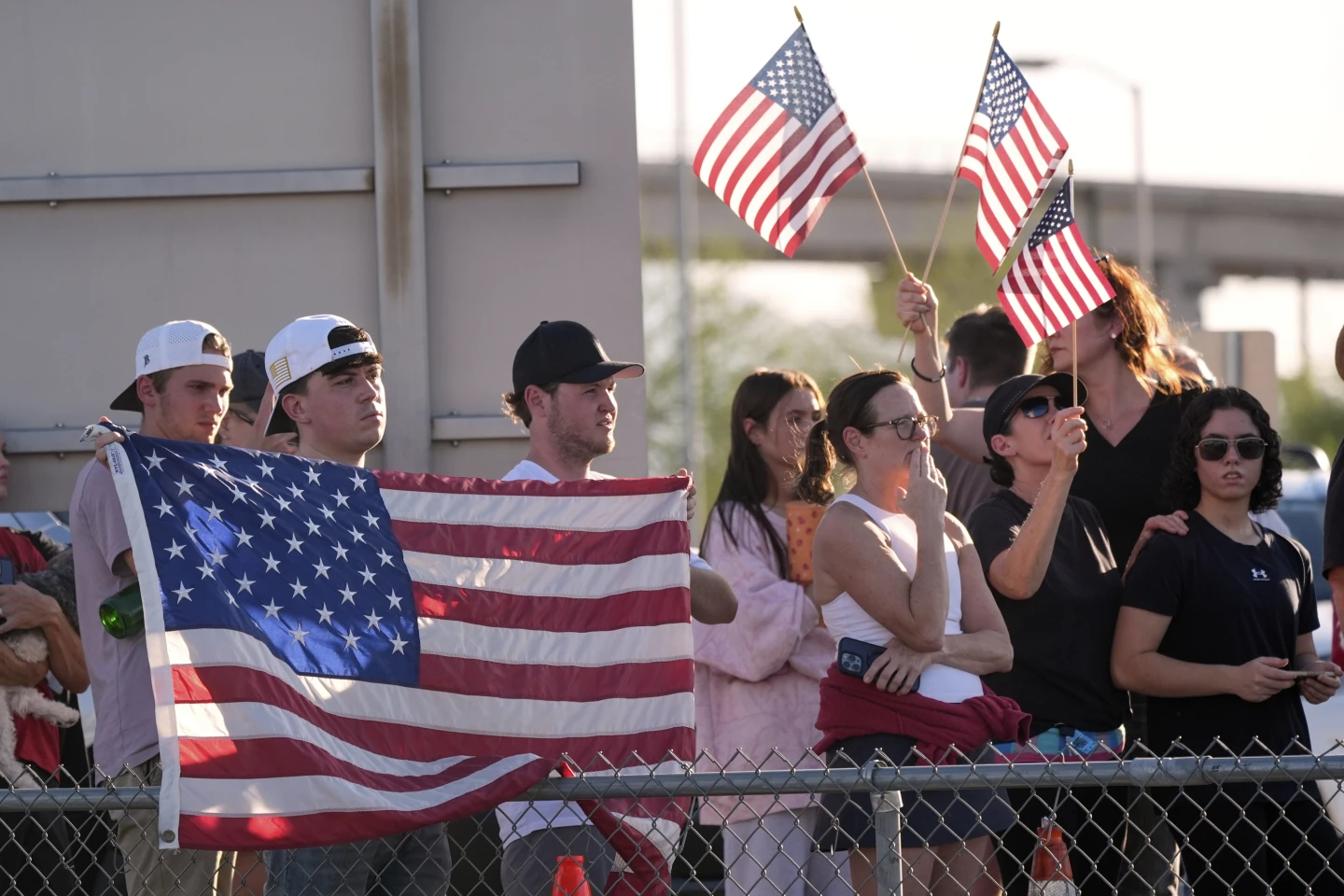
Cox's comments resonate with a growing sentiment among Americans, regardless of their political affiliations. The ideological divide and increasing anger raise questions about the nation's future. Can the U.S. heal its wounds, or will violence continue to deepen divisions?
'Nothing I say can unite us as a country,' Cox lamented. 'Nothing I can say right now will fix what is broken.'
As individuals grapple with their perspectives on America’s current state, it is increasingly apparent that understanding and collaboration are necessary to move forward. Many express a desire to mend the fabric of the nation, yet the core reasons behind its fragmentation remain contentious and complex.
In the wake of Kirk's death, bipartisan calls for restraint were met with rising tensions, demonstrating the difficulties in navigating political discourse today. Can leaders step up to foster an environment of unity and civility amidst growing frustration and polarization?