In brief
Ethiopia has inaugurated the Grand Ethiopian Renaissance Dam, a monumental project on the Blue Nile that signifies a new era of energy independence and national unity. Built at a cost of $5 billion, the dam symbolizes Ethiopian nationalism and ambition, especially as it challenges Egypt's historical claims to Nile waters. While Egypt fears significant water shortages due to the dam's operation, Ethiopia views it as a path toward energy dominance and economic growth.
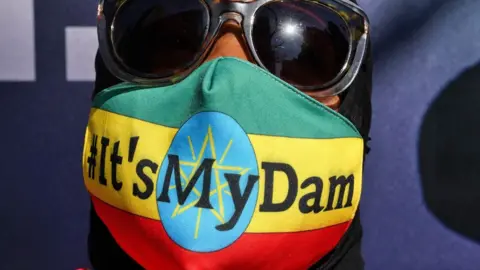
After outfoxing Egypt on the diplomatic stage for more than a decade, Ethiopia is set to officially inaugurate one of the world's biggest dams on a tributary of the River Nile, burying a colonial-era treaty that saw the UK guarantee the North African nation the lion's share of its water.The dam - built on the Blue Nile at a cost of about $5bn (£3.7bn), with a reservoir roughly the size of Greater London - has led to a surge in Ethiopian nationalism, uniting a nation often polarised along ethnic lines and mired in conflict.Ethiopians may disagree on how to eat injera [their staple food], but they agree on the dam, Moses Chrispus Okello, an analyst, told the BBC. The Grand Ethiopian Renaissance Dam (Gerd) is Africa's largest hydro-electric plant, raising hopes that it will meet the energy needs of Ethiopia's 135 million people and boost its economy by exporting electricity to neighboring countries.However, the dam represents a significant concern for Egypt, which relies heavily on the Nile for its water supply. With fears that it could sharply reduce water flow, Egypt's officials have called the dam an existential threat. Amidst this, Ethiopia has maintained that it’s focused on developmental needs, including providing electricity to the 60% of its citizens without access to it.While the Ethiopian government celebrates the dam's inauguration, Egypt is navigating the challenges posed by its reduced water supply, adapting its agricultural practices and seeking alternative water sources. As tensions continue, the impact of this landmark project will shape the future of relations between these two nations.